معرفی
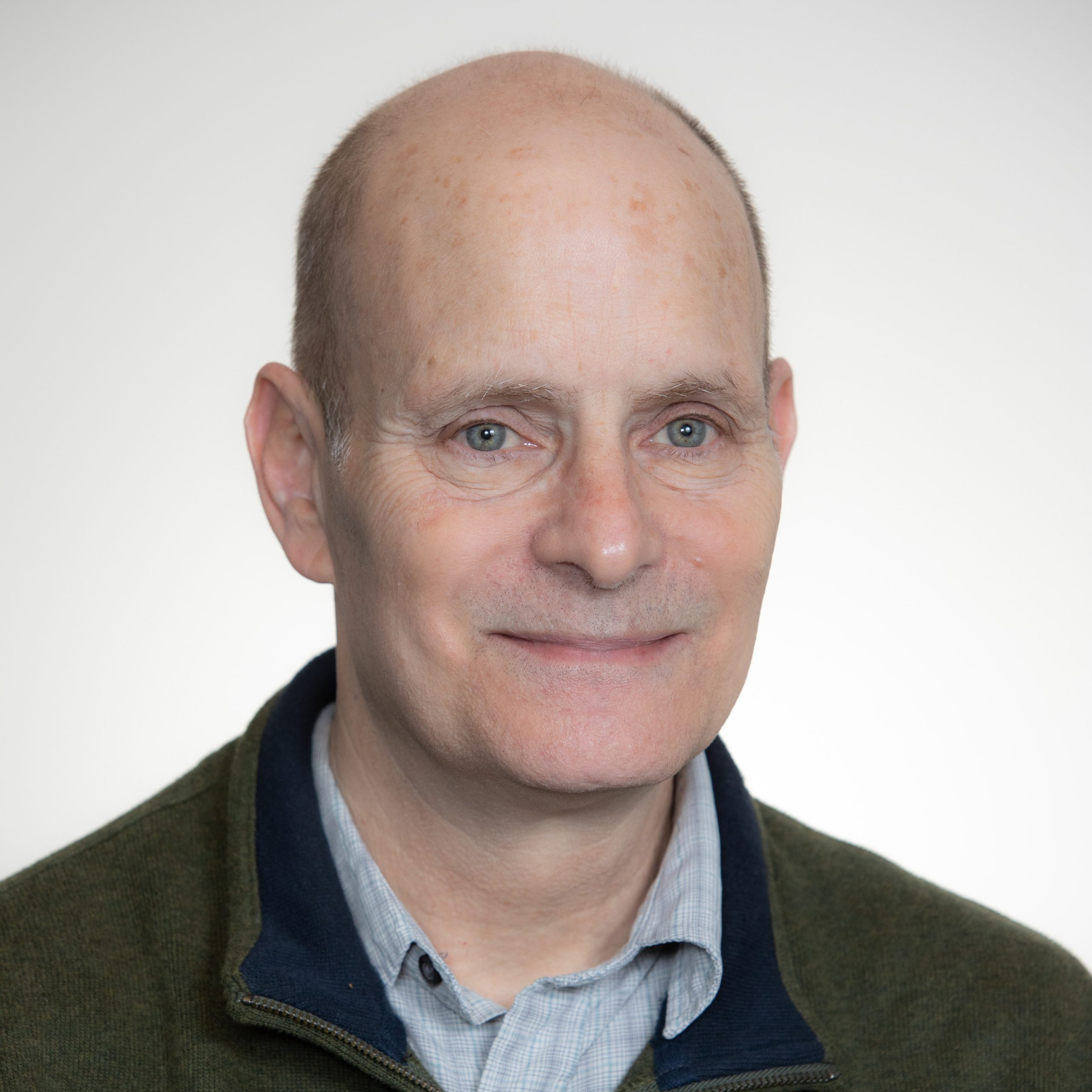
Didier Montarras is a senior research scientist at the Institut Pasteur in Paris, serving as a Directeur de Recherche in the Department of Developmental and Stem Cell Biology. His research is centered on skeletal muscle regeneration, with a focus on muscle satellite cells and regenerative myogenesis. He has held key roles including Head of the Laboratory of Molecular Genetics of Development and Senior Scientist in the Unit of Molecular Genetics of Development.
- Doctorat d’Etat ès Sciences Naturelles, Institut Pasteur, 1983
- Postdoctoral Fellow, UCSF, 1984–1985
- Co-founder of biotech startup Celogos, 2001
His research interests include stem cell biology, muscle regeneration, redox regulation in satellite cells, and molecular mechanisms of myogenesis. He investigates how satellite cells transition from quiescence to activation and differentiation, with implications for muscular dystrophies and regenerative therapies.
The analysis of his recent publications (2012–2016) reveals a strong focus on transcriptional and post-transcriptional regulation in muscle stem cells, including the roles of Pitx2/3 in redox balance, Myf5 mRNA regulation by microRNA-31, and the interplay between Myod and the H19-Igf2 locus. His work spans developmental biology, regenerative medicine, and molecular genetics, often using mouse models of muscle disease.
Dr. Montarras has not been mentioned as receiving specific scientific awards in the provided texts.
He has collaborated extensively in mentoring and research, though no formal list of advisees is provided. His work has contributed to understanding muscle progenitor cell engraftment, diaphragm development, and the metabolic regulation of differentiation. He has not indicated involvement in formal grant leadership in the texts, but his long-term research trajectory suggests sustained funding support.
His research is conducted within the Department of Developmental and Stem Cell Biology at the Institut Pasteur, a leading institution in life sciences and infectious diseases, where he has been a central figure in muscle biology research for over a decade.