معرفی
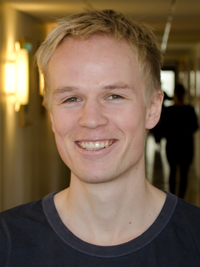
Didac Vidal Pineiro is a PostDoc researcher at the Lifespan Changes in Brain and Cognition (LCBC) research group at the University of Oslo's Department of Psychology, working under Professors Anders M. Fjell and Kristine B. Walhovd. His research focuses on cognitive aging and memory networks using advanced brain imaging techniques.
Dr. Pineiro earned his PhD in Neuroscience in 2014 from the University of Barcelona, following an M.Sc in Neuroscience (2009-2010) and a Psychology degree (2005-2009) from the Autonomous University of Barcelona. His doctoral work focused on characterizing and modulating large-scale memory networks with special attention to cognitive aging.
His research interests span cognitive aging, brain imaging methodologies (including structural and functional MRI, MR spectroscopy), non-invasive brain stimulation techniques (TMS, tDCS), and neuropsychological assessments. His work often examines how memory networks change throughout the lifespan, particularly in relation to aging processes. His research combines methodological approaches from neuroscience, psychology, and computational analysis to understand the neural basis of memory function across adulthood.
Analysis of his recent publications reveals a strong focus on brain aging, memory networks, and neuroimaging biomarkers. His work frequently examines hippocampal function, cortical connectivity patterns, and brain structural changes associated with cognitive aging. A significant portion of his research investigates early biomarkers of neurodegenerative processes and how brain changes relate to cognitive performance across the lifespan. His most recent work incorporates advanced computational approaches, including artificial intelligence applications in neuroimaging analysis.
Dr. Pineiro is an active member of the LCBC research group at the University of Oslo, which conducts extensive longitudinal research on brain and cognitive changes throughout life. His work often involves large-scale collaborative efforts with multiple international research teams, as evidenced by the numerous multi-author publications in high-impact journals across neuroscience and psychology.