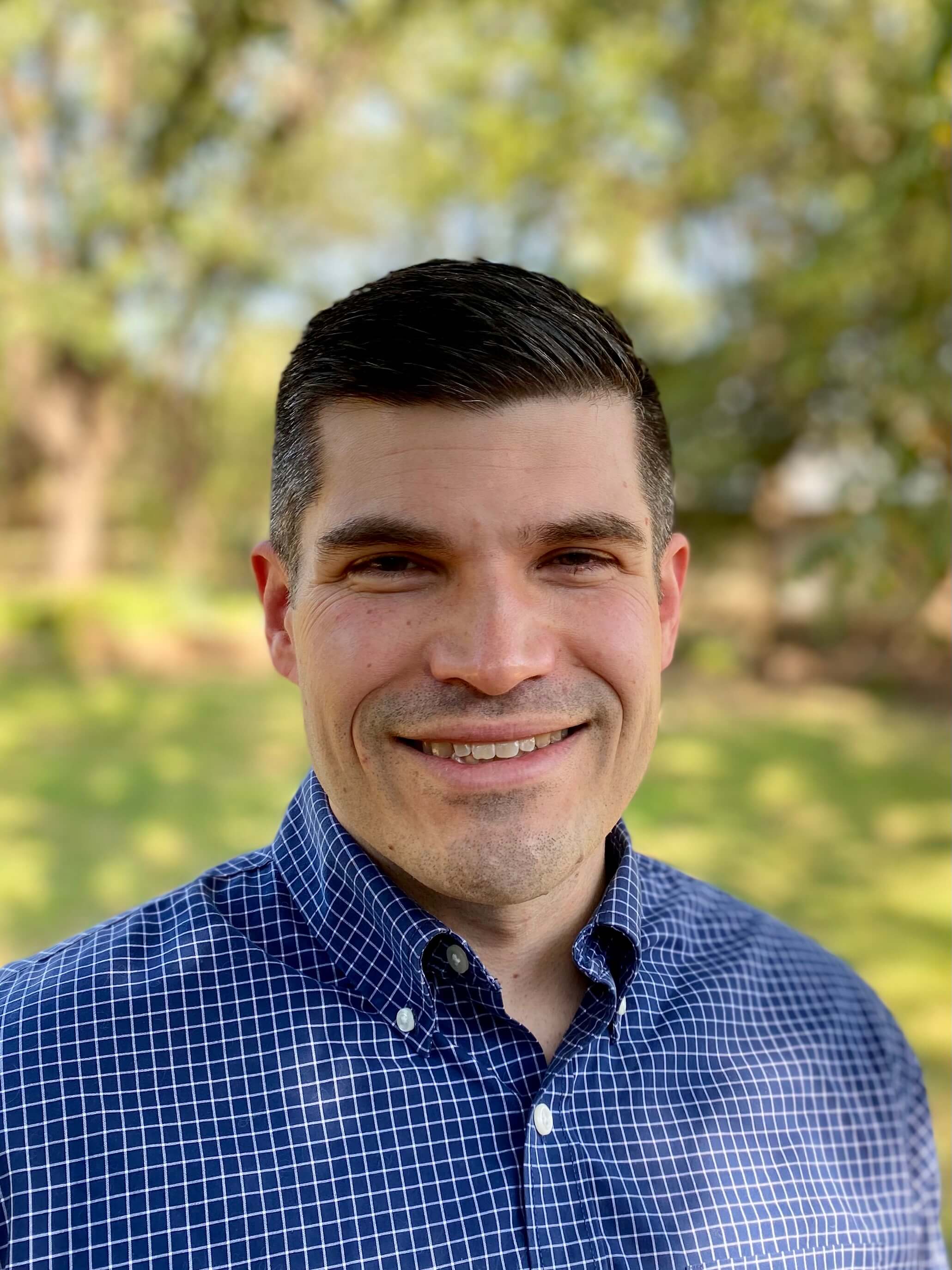
معرفی
Derek Ross serves as the Hargis Professor of Writing Studies and Professor in the Department of English at Auburn University's College of Liberal Arts. He holds a PhD in technical communication and rhetoric from Texas Tech University and maintains active office hours for student engagement.
Education
- PhD in Technical Communication and Rhetoric, Texas Tech University
Research Focus Ross investigates environmental rhetoric through the lens of ethics, design, and audience perception. His scholarship examines how commonplaces in environmental communication shape public discourse, with recent work expanding into place-based ethical frameworks and radical communication forms like zines. He analyzes how spatial boundaries influence ethical decision-making in technical contexts and explores low-tech alternatives to digital saturation, emphasizing sustainability and social justice implications across modern communication landscapes.
Publication Evolution His 15 most recent publications (2020-2025) reveal a pronounced shift toward social justice applications in technical communication, with increasing focus on radical media forms, consumer behavior ethics, and pedagogical innovations in design education. The trajectory demonstrates deepening engagement with environmental ethics through interdisciplinary collaborations, particularly in developing place-based ethical models for technical communication challenges.
Awards
- Honorable Mention for the 2018 CCCC Technical and Scientific Communication Award (Best Original Collection of Essays)
Academic Contributions As editor of the award-winning 2017 volume Topic-driven environmental rhetoric, Ross has shaped scholarly discourse in environmental communication. His collaborative work on mutual respect in care ethics and principles of place-based ethics demonstrates sustained engagement with ethical frameworks. While specific advising records aren't documented, his micro-assignment pedagogy research indicates active mentorship in design education, and cross-curricular literacy program publications suggest grant-funded instructional initiatives.
Research Environment Though no formal lab affiliations are specified, Ross's zine-focused workshops and place-based ethics collaborations indicate participation in interdisciplinary research collectives centered on radical communication methods and environmental justice applications within technical communication.