معرفی
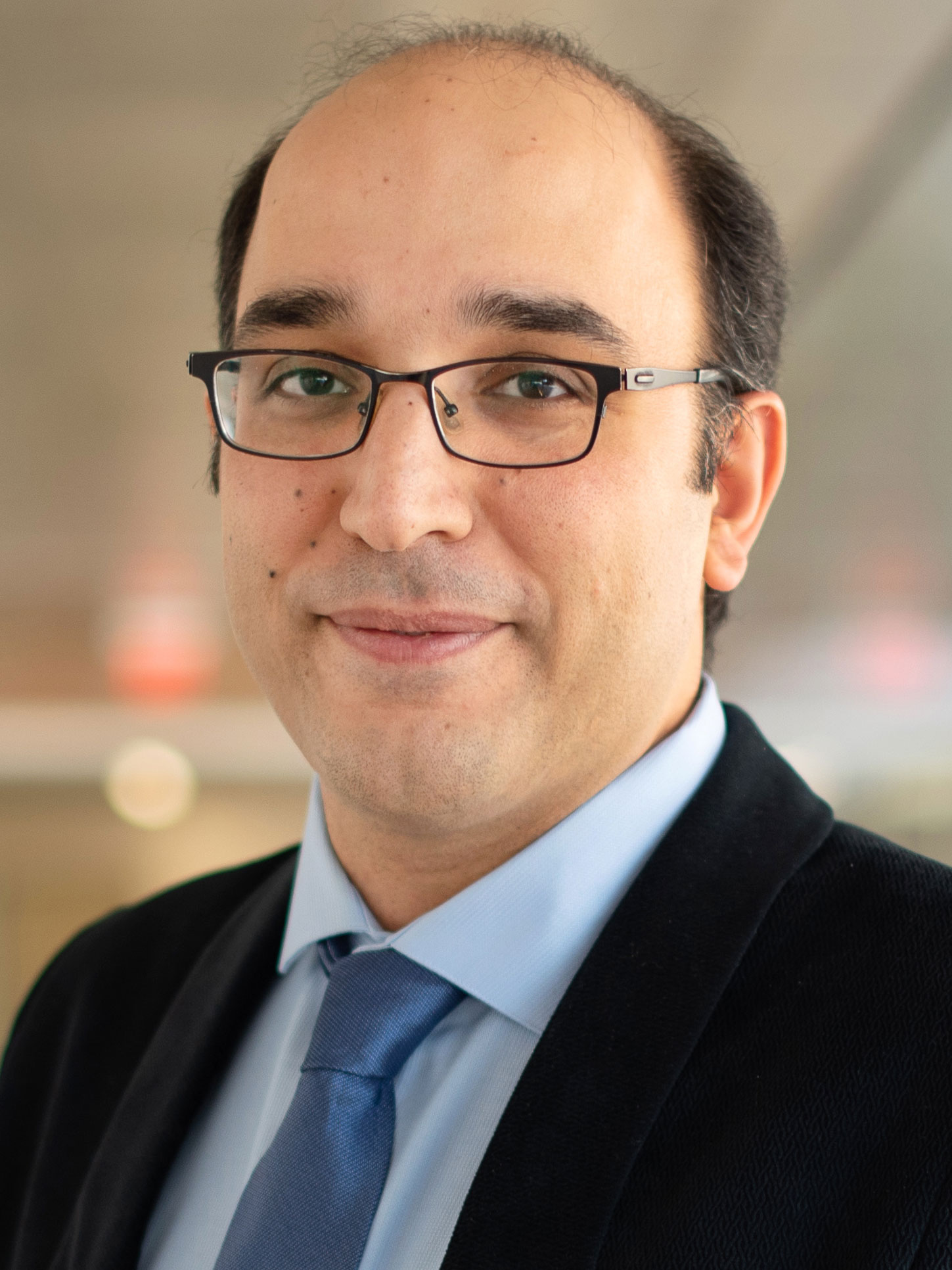
Dennis Goeckel is a Professor in the Department of Electrical and Computer Engineering at the University of Massachusetts Amherst, affiliated with the College of Engineering. His research focuses on secure data transmission, network theory, and wireless communication systems, with emphasis on physical layer security, low probability of detection (LPD) communication, and robust signal processing techniques. He holds an IEEE Fellow designation and has received prestigious awards such as the National Science Foundation CAREER Award (1999) and the University of Massachusetts Distinguished Teaching Award (2007).
Education:
- Ph.D. in Electrical Engineering (Systems), University of Michigan, 1996
- M.S. in Electrical Engineering, University of Michigan, 1993
- B.S. in Computer and Electrical Engineering, Purdue University, 1992
Research interests span secure communication protocols, network security, and the theoretical foundations of wireless systems. His work on 'everlasting security' and covert communication has advanced methods to protect data transmission from detection and eavesdropping. He also explores applications in IoT, UAV communication, and federated learning privacy. Recent publications highlight advancements in covert communication scaling laws, cross-technology networks, and adversarial machine learning defenses.
Scientific Awards:
- IEEE Fellow (2011)
- National Science Foundation CAREER Award (1999)
- UMass Distinguished Teaching Award (2007)
- Outstanding Senior Faculty Member (2010)
Advising and Grants: Goeckel has advised numerous students, earning multiple Outstanding Advisor Awards. His grants include NSF support for 'Everlasting Security in Wireless' and SWIFT initiatives. He serves as an editor for IEEE Transactions on Networking and has organized major conferences like the IEEE Global Communications Conference's Wireless Communications Theory Symposium.
Labs/Teams: His research group develops cutting-edge protocols for secure wireless systems, collaborating on hardware implementations and theoretical frameworks for covert communication and privacy-preserving technologies.