معرفی
Denise Dearing is a Distinguished Professor in the School of Biological Sciences at the University of Utah, where she has held various academic positions since 1998, rising from Assistant Professor to her current distinguished rank. Her research program investigates the ecological and physiological mechanisms that enable mammalian herbivores to consume chemically defended plants.
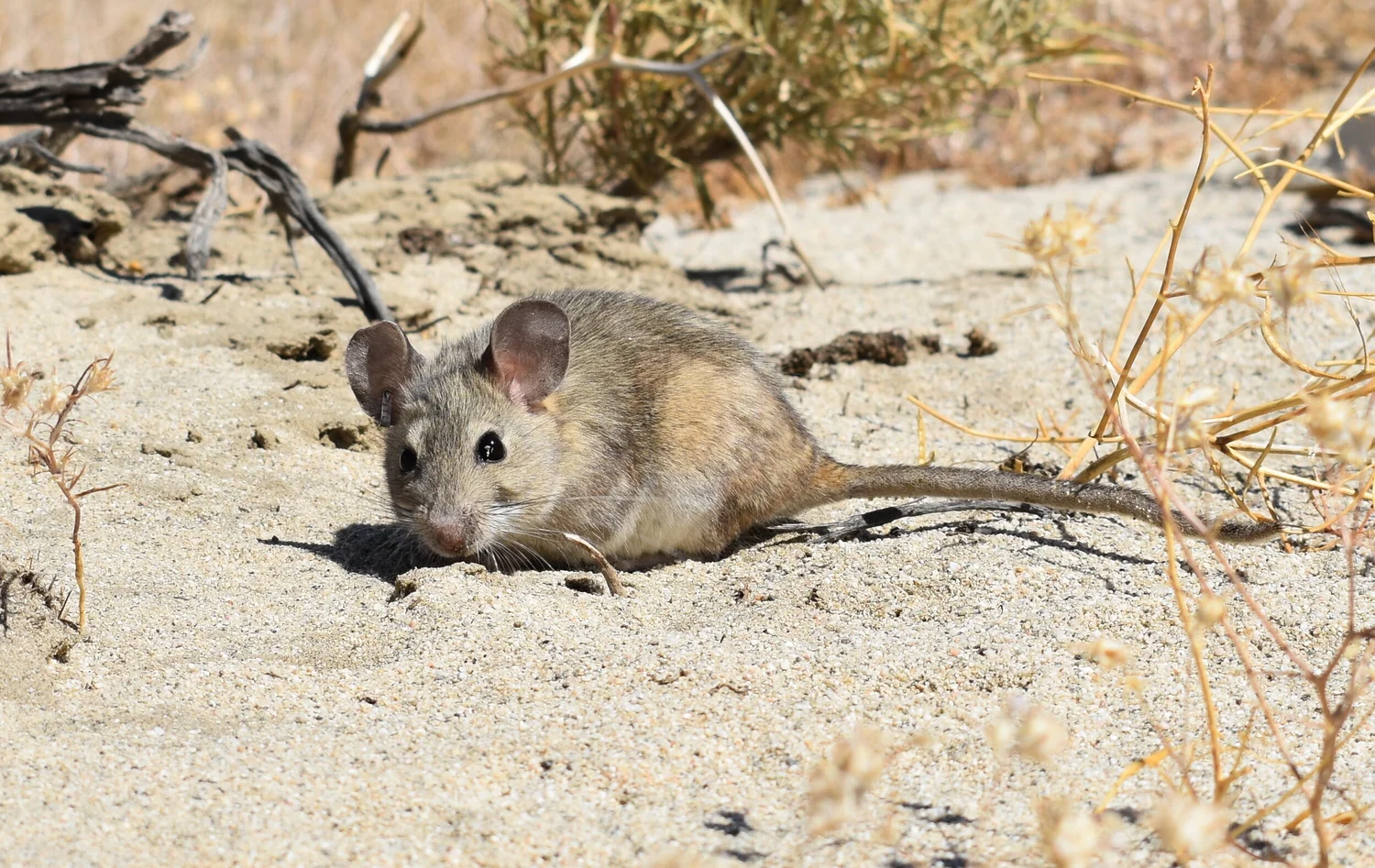
Dr. Dearing's educational background includes graduate studies at the University of Utah (1989-1993) as a Graduate Teaching Assistant before joining the faculty. Her research focuses on the evolution of dietary specialization in herbivores, particularly examining detoxification abilities in specialist and generalist woodrats (Neotoma species). The Dearing Lab explores how ecological factors and physiological constraints influence foraging behavior and diet breadth in mammalian herbivores.
Her research program spans multiple disciplines including physiological ecology, nutritional ecology, and microbiome studies, with particular emphasis on how herbivores process plant secondary compounds. Her work integrates field studies, laboratory experiments, and genomic approaches to understand the mechanisms of dietary adaptation.
Analysis of her recent publications reveals a strong focus on the genomic, metabolic, and microbial mechanisms underlying dietary specialization in herbivores, particularly woodrats. Her work demonstrates how gene duplications, microbiome composition, and metabolic pathways evolve in response to toxic plant compounds, with implications for understanding evolutionary adaptation to environmental change.
Scientific Awards
- Fellow, American Association for the Advancement of Science (2021)
- Research Award, Alexander von Humboldt Foundation (2020)
- Joseph Grinnell Award, American Society of Mammalogists (2018)
- C. Hart Merriam Award, American Society of Mammalogists (2014)
- Distinguished Scholarly and Creative Research Award, University of Utah (2014)
Dr. Dearing has advised numerous graduate students through their PhD and Master's research, including Maggie, Dylan, and Noah who have recently completed their degrees. Her research has been supported by multiple National Science Foundation grants, an Alexander von Humboldt Foundation award, and other funding sources focusing on the physiological genomics of diet switching in mammalian herbivores and related topics.
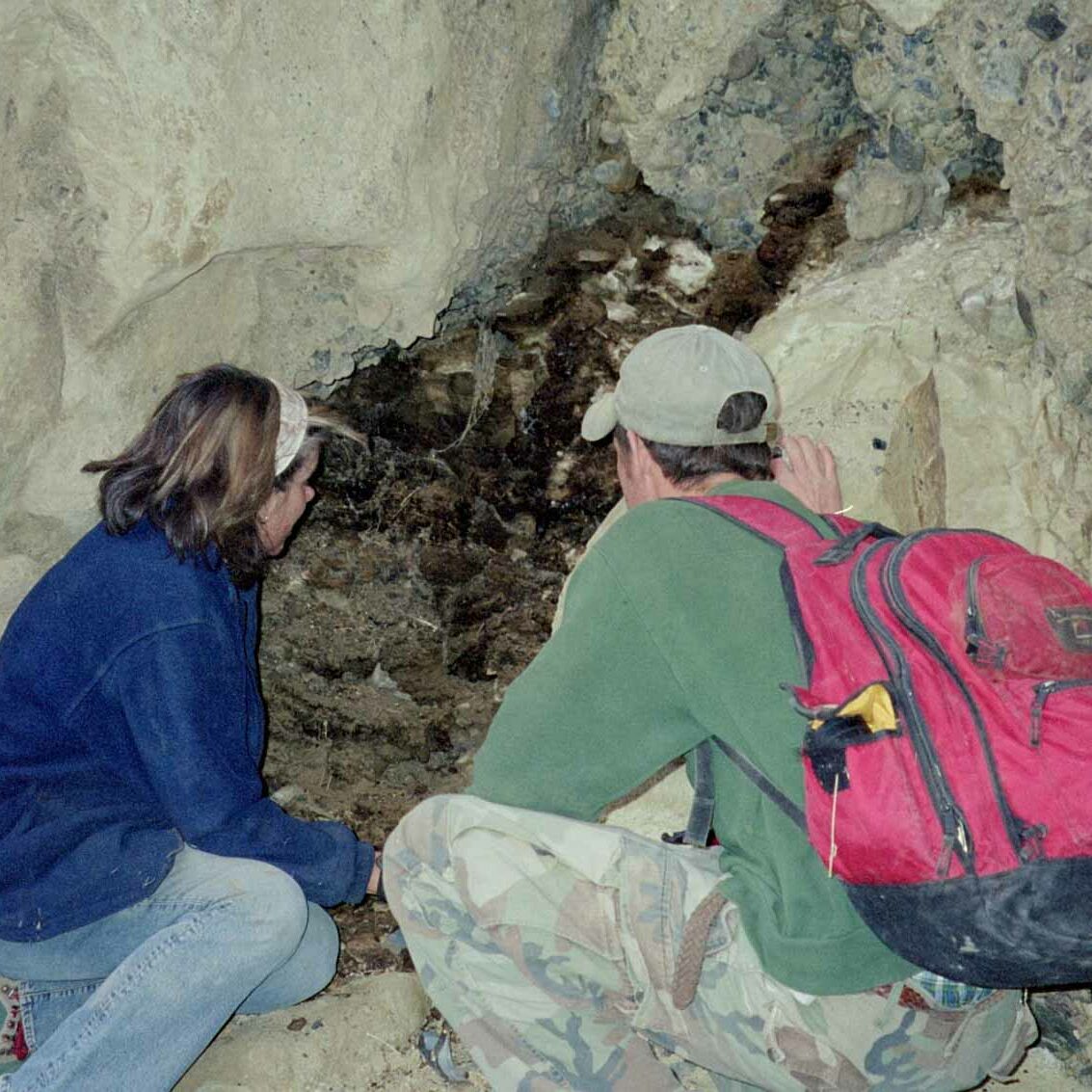
The Dearing Lab maintains active field sites including Morongo Valley, where they conduct long-term studies on woodrat populations, and collaborates with researchers across multiple institutions to advance understanding of herbivore ecology and physiology.