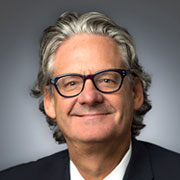
معرفی
Deborah W. Denno is the Arthur A. McGivney Professor of Law and Founding Director of the Neuroscience and Law Center at Fordham Law School. She holds a B.A. from the University of Virginia, M.A. from the University of Toronto, Ph.D. in Sociology from the University of Pennsylvania, and J.D. from the University of Pennsylvania Law School. Her research focuses on criminal law, neuroscience in legal contexts, and death penalty ethics. She has been cited in seven Supreme Court cases, including landmark decisions on execution methods. Denno is a recipient of the ABA Raeder-Taslitz Award (2024) and National Law Journal's 'Fifty Most Influential Women Lawyers' (2007). She advises the American Law Institute on Model Penal Code revisions and lectures globally. Her work bridges law, science, and ethics, influencing policy and public discourse on criminal justice reform.
Education:
- B.A., University of Virginia
- M.A., University of Toronto
- Ph.D. in Sociology (Criminology), University of Pennsylvania
- J.D., University of Pennsylvania Law School
Research Interests:
Denno's pioneering work examines the intersection of neuroscience and law, particularly in capital punishment, jury decision-making, and behavioral genetics. She advocates for evidence-based legal practices and has testified on lead poisoning's link to criminality. Her longitudinal study on biosocial factors influencing crime influenced Supreme Court rulings.
Awards & Recognition:
- 2024 ABA Criminal Justice Section’s Raeder-Taslitz Award
- 2023 Larry H. Strasburger, MD Award
- 2022 INS Best Neurolaw Policy Contribution
- 2007 National Law Journal's 'Fifty Most Influential Women Lawyers'
Grants & Affiliations:
She directs Fordham's Neuroscience and Law Center, collaborating with institutions like Princeton University and the London School of Economics. Her grants include studies on neuroscientific evidence trends and death penalty ethics.
Labs/Teams:
Her Neuroscience and Law Center fosters interdisciplinary scholarship, providing resources for academics and legal professionals to integrate neuroscience insights into legal practice.