معرفی
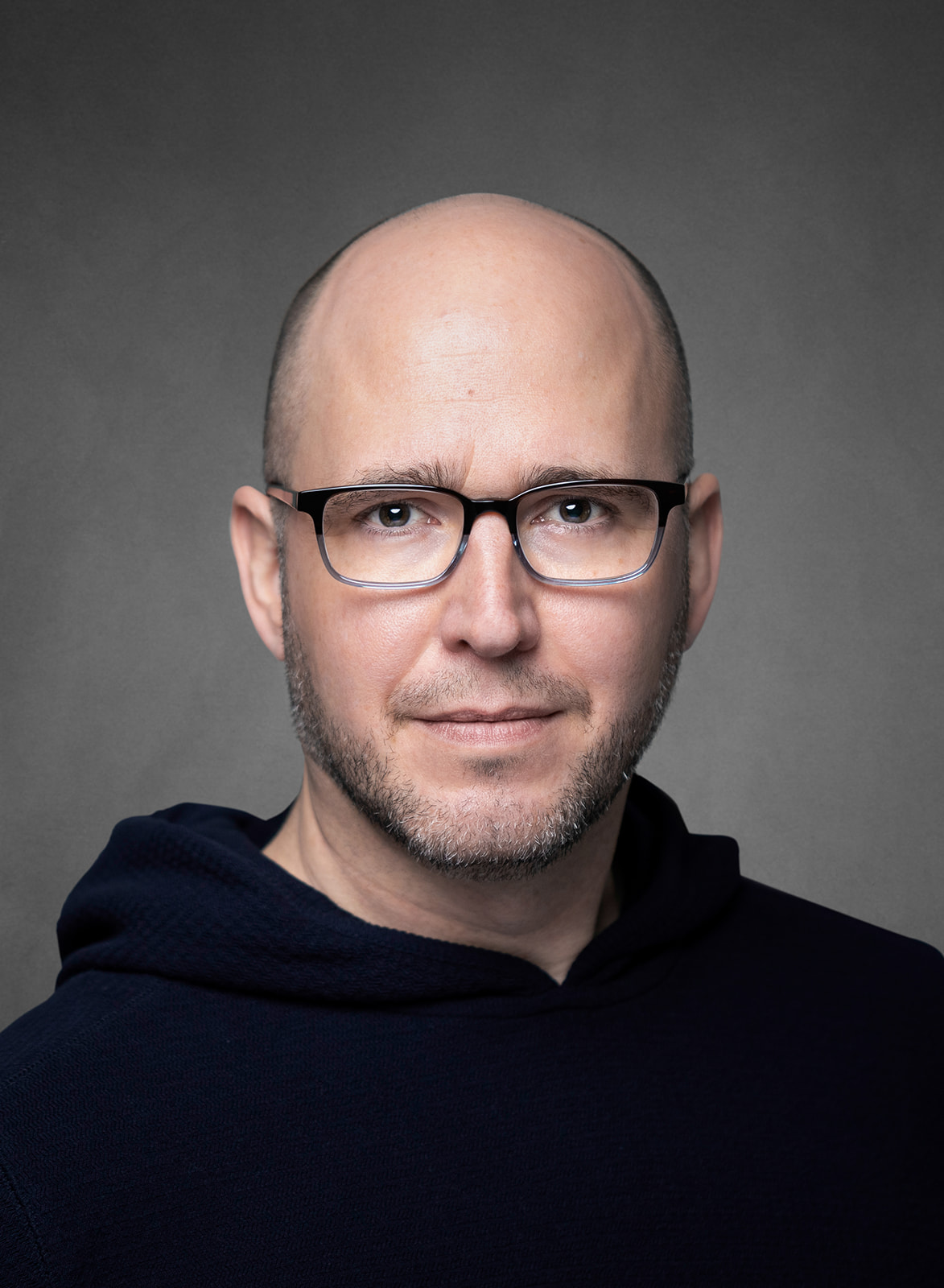
David Szymanski, Ph.D. is a Professor in the Natural and Applied Sciences at Bentley University with a distinguished career spanning geology, forensic chemistry, and sustainability education. His interdisciplinary work bridges scientific research with practical policy applications.
Education:
- Ph.D. in Geological Sciences, Michigan State University (2007)
- M.S. in Forensic Chemistry, Michigan State University (2004)
- M.S. in Geological Sciences, Michigan State University (1999)
- B.A. in Geology, University of St. Thomas (1996)
Research Focus: Dr. Szymanski's research spans three interconnected domains: the chemical evolution of magmas and earth processes, forensic analysis of glass as trace evidence (where he has testified in criminal cases), and science education for non-scientists with emphasis on sustainability, climate policy, and resource management. His work contributes to UN Sustainable Development Goals related to climate action and quality education.
Publication Trends: His recent scholarly output (2019-2023) demonstrates a strategic shift toward transdisciplinary approaches that integrate earth sciences with business, policy, and education. His publications increasingly focus on sustainability education frameworks, climate change communication, and strategies for increasing diversity and equity in earth science education, while maintaining connections to his foundational work in geological processes and forensic analysis.
Professional Service:
- Board of Trustees, Bentley University (2022-present)
- Associate Editor for academic journal (2015-present)
- University Councilor (2017-2020)
- Various committee memberships (2013-2021)
Grants and Leadership: Dr. Szymanski has secured significant funding from the National Science Foundation for projects including the Collaborative Research: Broadening the Fusion of STEM Business Curricula in Undergraduate Sustainability Education (2018-present) and the Pathways Project enhancing climate change communication between meteorologists and audiences (2012-2015). His former role as a Congressional Science Fellow in the U.S. Senate informs his current work involving students in nonpartisan policy development on energy, climate, and natural resources issues.