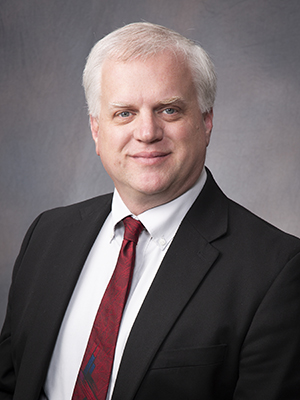
David Senor
استاد مدعو · Nuclear Materials Science
Paul Drude Institute for Solid State Electronicsمعرفی
David Senor is a Lab Fellow at Pacific Northwest National Laboratory (PNNL) and an Adjunct Professor of Nuclear Engineering at Texas A&M University. With over 30 years of experience since joining PNNL in 1992, he specializes in nuclear materials science with a focus on irradiation effects, material behavior under radiation, and development of nuclear fuels and structural materials.
Dr. Senor holds a PhD in Nuclear Engineering from Texas A&M University (1992), along with MS (1989) and BS (1988) degrees from the same institution. His educational background has provided a strong foundation for his extensive research career in nuclear materials.
His research focuses on neutron irradiation effects on reactor structural materials, burnable absorbers, and fuels, as well as proton and ion irradiation effects on accelerator beam-intercepting devices. He has pioneered work in fabrication of materials and fuels for nuclear service, particularly in silicon carbides for fission and fusion reactor applications, tritium-producing burnable absorber rods, and uranium-molybdenum fuels for research reactors. His recent publications demonstrate continued leadership in understanding radiation damage mechanisms, lithium ceramics for fusion applications, and advanced characterization techniques for nuclear materials.
Dr. Senor has received numerous professional recognitions including the Secretary's Achievement Award from the Department of Energy (2019) and the Nuclear Engineering Distinguished Former Student Award from Texas A&M University (2018). He also earned early career recognition as a Young Leader from The Minerals, Metals and Materials Society (1996).
As the national technical lead for the National Nuclear Security Administration Tritium Modernization program, principal investigator for fusion solid breeder research, and PI for post-irradiation examination in the RaDIATE Collaboration, Dr. Senor continues to play a critical role in advancing nuclear materials science. He has organized numerous international workshops and symposia, served on the Science Review Board for Nuclear Science User Facilities, and contributed to professional societies including The Minerals, Metals and Materials Society and the American Nuclear Society.