معرفی
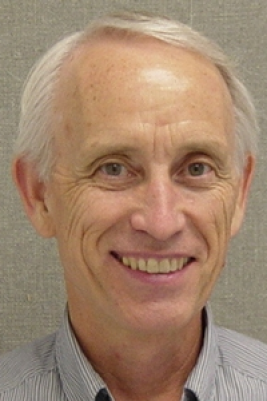
David Scott Hargrove serves as a Visiting Distinguished Professor in the Department of Psychology within the College of Arts and Sciences at Appalachian State University. With a Ph.D. from the University of Georgia (1972) and postdoctoral training at Georgetown Family Center, his career spans over five decades of clinical and academic contributions.
Education:
- Postdoctoral Training: Georgetown Family Center, Washington, DC
- Ph.D.: University of Georgia, 1972
- B.A.: Mississippi State University, 1962
Dr. Hargrove's research integrates Family Systems Theory with Rural Health challenges, exploring psychological determinants in mental healthcare access. His interdisciplinary work bridges Psychology and Literature through cognitive neuroscience perspectives and examines spiritual dimensions via Psychology and Religion. Key methodologies include Bowen Theory applications and community-based interventions addressing rural disparities.
His publication trajectory (1999-2009) reveals three dominant strands: theoretical developments in family therapy (e.g., Bowen-based psychotherapy), practical solutions for rural mental health infrastructure, and innovative cross-disciplinary studies on literature's neurological impact. This reflects sustained commitment to translating research into clinical practice.
Award recognition:
- 2005 Harold M. Hildreth Award for Lifetime Contribution to Psychology in the Public Interest
- 2004 Family Psychologist of the Year
- 1974 Victor A. Howery Award for Rural Mental Health
Dr. Hargrove's grant activity focuses on rural mental health sustainability and family systems applications, evidenced by his primary care psychology training curriculum development (2002). His advising approach emphasizes real-world clinical integration, particularly for students interested in underserved populations and interdisciplinary research.
While no formal laboratory is documented, his work operates through community partnerships addressing Appalachian rural health challenges, combining clinical practice with academic research to influence mental healthcare delivery in resource-limited settings.