معرفی
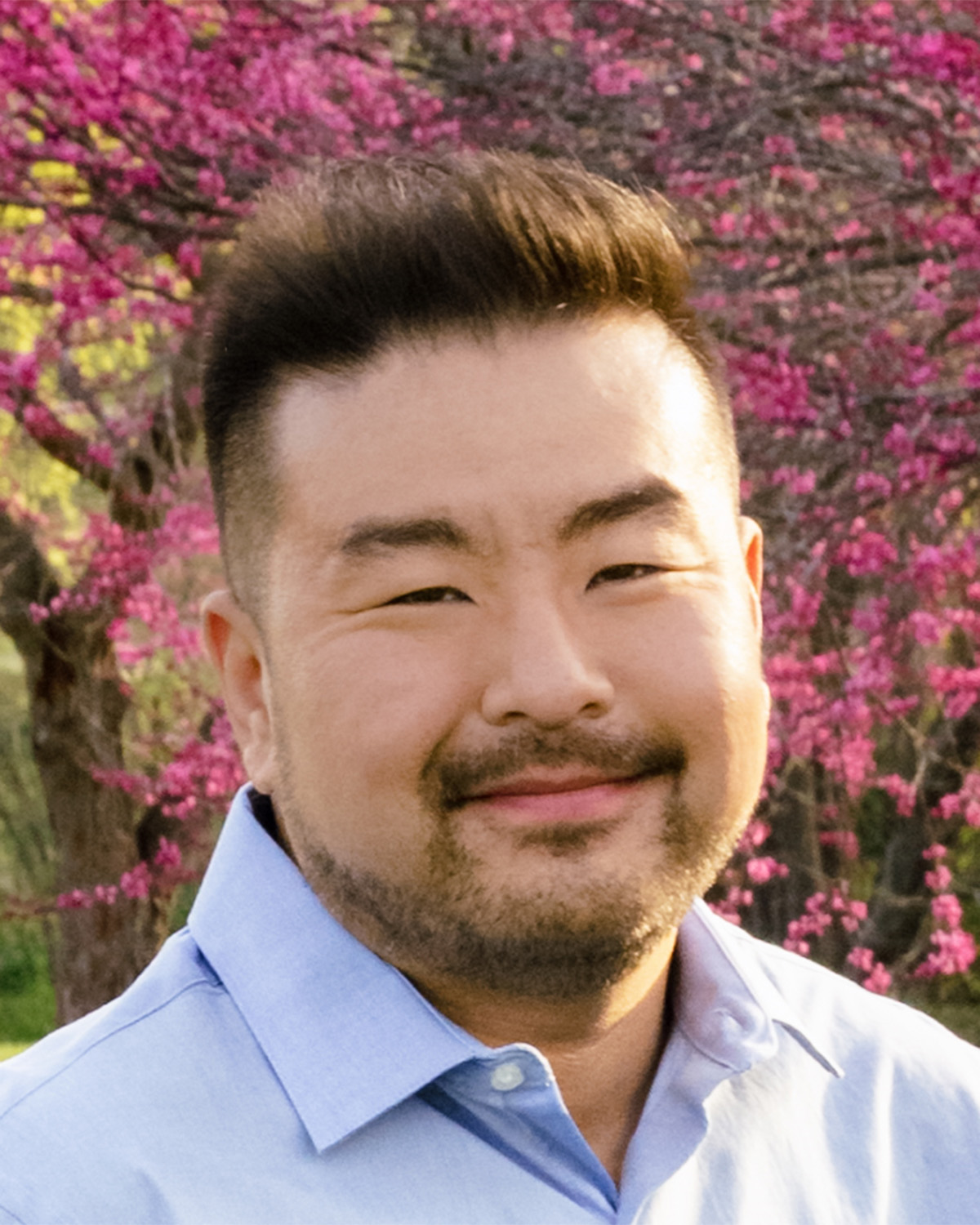
Dr. David S. Kang is an adjunct Research Molecular Biologist at the USDA-ARS Biological Control of Insects Research Laboratory and affiliated with the Division of Biological Sciences at the University of Missouri. He leads the Kang Lab, which investigates the role of microbiomes in insect pest control, focusing on host-microbe interactions, microbial community dynamics, and their impacts on insect immunity, metabolism, and survival. His lab is also affiliated with the Division of Plant Sciences, Digital Agriculture Research Extension Center, and the Grape and Wine Institute.
- Ph.D., Baylor University
- Postdoctoral Fellow, University of Notre Dame
- Postdoctoral Fellow, Cornell University
Dr. Kang's research lies at the intersection of molecular biology, genomics, and ecology, with a focus on how environmental and microbial factors shape insect phenotypes. His lab uses Drosophila melanogaster as a model system to study microbiome influences and applies findings to control agricultural pests like Drosophila suzukii. The lab employs molecular, genetic, genomic, and bioinformatic approaches, including machine learning and statistical modeling.
While specific publications are not listed, his work spans microbiome assembly, host immunity, metabolic interactions, and biocontrol applications, indicating strong interdisciplinary engagement in molecular entomology and microbial ecology.
- USDA ARS Research Molecular Biologist
- Affiliated with multiple research centers at the University of Missouri
Dr. Kang mentors graduate students and postdoctoral fellows and collaborates on big data and AI-driven microbiome research. His lab fosters teamwork and student development. He is actively seeking collaborations on using insect-associated viruses, bacteria, and fungi for pest control. Though no grants are explicitly mentioned, his USDA-ARS position implies federally funded research.
The Kang Lab includes a laboratory manager, technicians, postdoctoral researchers, graduate students, and interns, reflecting a vibrant, multidisciplinary research environment focused on sustainable agricultural solutions through microbiome science.