معرفی
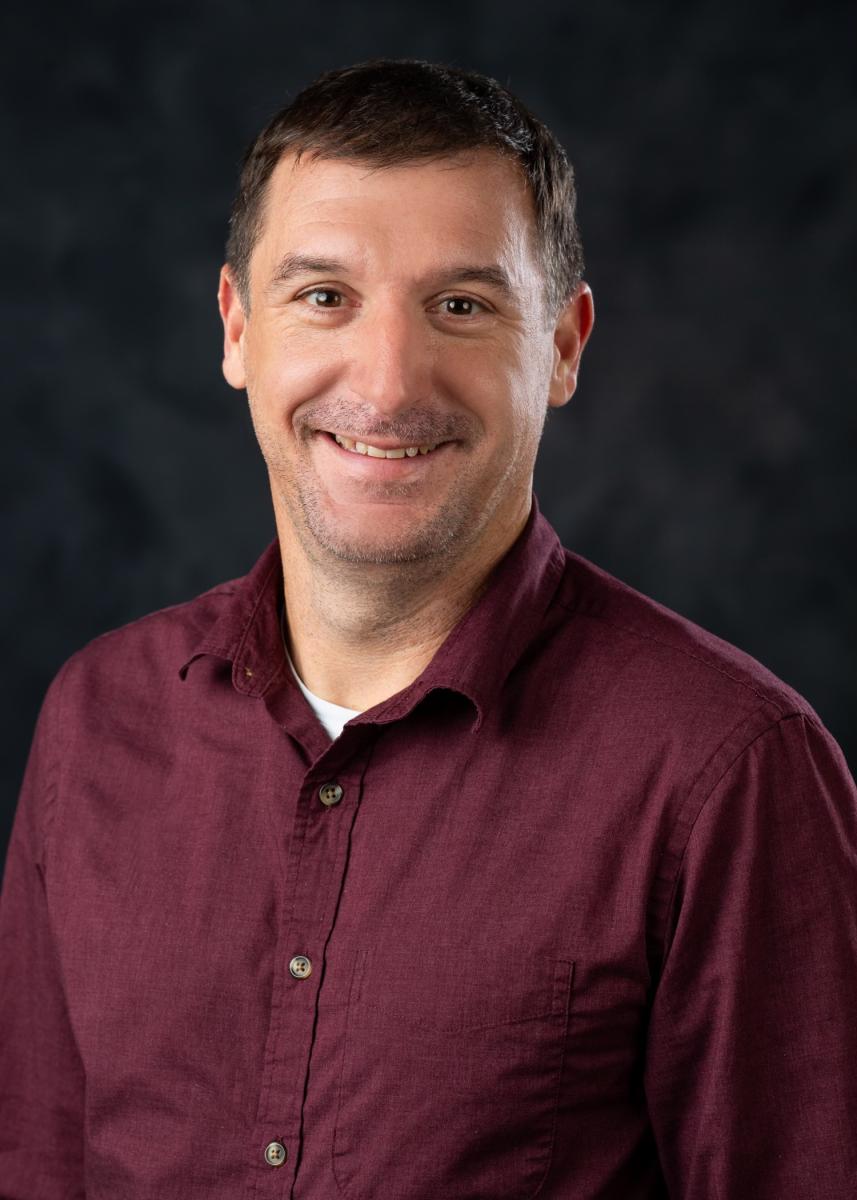
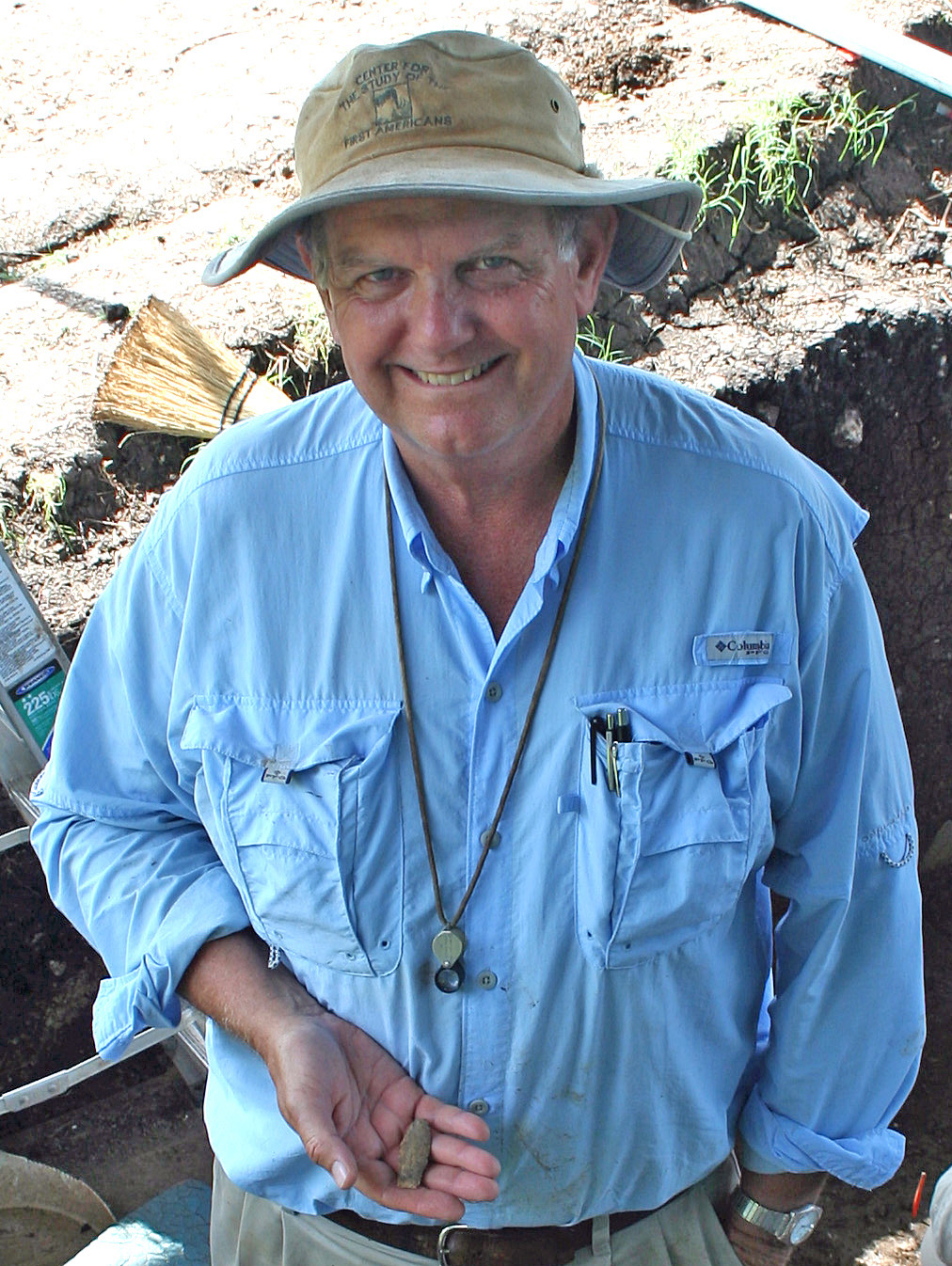
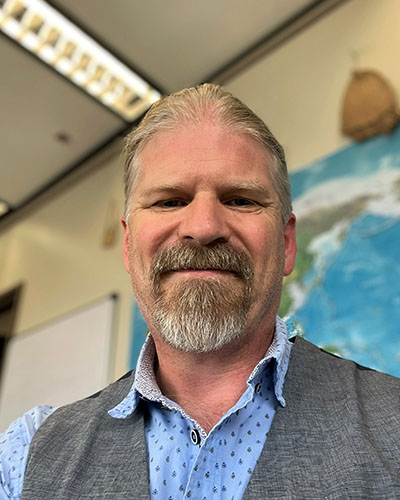
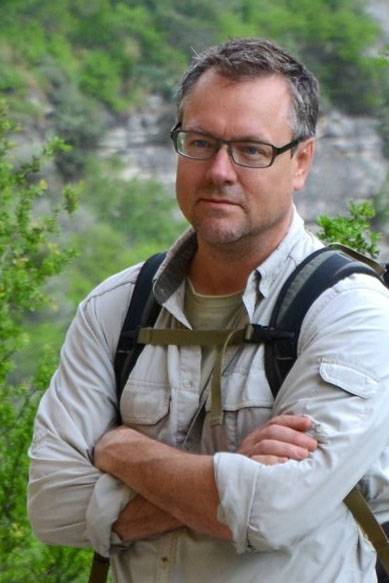
Dr. David Kilby is a Professor in the Department of Anthropology at Texas State University. His research focuses on the archaeology of early North American hunter-gatherers, particularly the Paleoindian period (Clovis and Folsom cultures), and their interactions with Pleistocene environments. He directs the Ancient Southwest Texas Project (ASWT), conducting fieldwork in the Lower Pecos Canyonlands, including excavations at Bonfire Shelter and Eagle Cave. His work integrates lithic technology, geoarchaeology, and spatial analysis to understand caching behaviors, mobility patterns, and subsistence strategies. Kilby holds a Ph.D. from the University of New Mexico (2008), an M.A. from Eastern New Mexico University, and a B.A. from Appalachian State University.
Key research themes include Clovis caching systems, the transition from Clovis to Folsom traditions, and the use of lithic networks to trace social and technological connections. He has published extensively on topics such as proboscidean hunting, radiocarbon chronologies, and the peopling of the Americas. Kilby also contributes to Cultural Resource Management and has edited volumes on Clovis caches and Blackwater Draw geoarchaeology.
Recent field projects include the Mockingbird Gap Clovis site in New Mexico and ongoing investigations at Bonfire Shelter, exploring controversial bison jumps and bonebed formation. His work challenges alternative hypotheses about early human occupation timelines and advocates for rigorous evaluation of pre-Clovis claims, as seen in critiques of the Chiquihuite Cave interpretation.
Teaching responsibilities include courses on archaeological theory, geoarchaeology, Southwest prehistory, and CRM methods. Kilby’s research emphasizes interdisciplinary approaches, blending archaeology with geology, ecology, and statistics to reconstruct prehistoric lifeways.