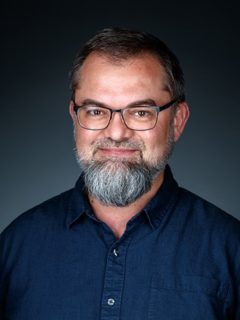
معرفی
David J. Mackill is an Adjunct Professor at the University of California, Davis in the Department of Plant Sciences within the College of Agriculture and Environmental Sciences, with a distinguished career spanning international agricultural research and plant genetics.
His educational background includes:
- Ph.D. in Genetics from the University of California, Davis (1981)
- M.S. in Agronomy from the University of California, Davis (1977)
- B.S. in Plant Science from the University of California, Davis (1976)
Dr. Mackill's research centers on rice genetics and breeding with emphasis on abiotic stress tolerance, particularly submergence tolerance, leading to development and dissemination of stress-tolerant rice varieties across Asia. His expertise extends to cacao and peanut genetics through collaborations with Mars, Inc., integrating international agricultural development, germplasm conservation, and sustainable farming systems. Current teaching includes the course 'Chocolate Covered: The Past, Present and Future of Cacao' (PS 13).
His scientific awards include:
- Tech Award Lauriat for Economic Development (2012)
- Fellow of the American Association for the Advancement of Sciences (2011)
- Award of Distinction from UC Davis College of Agriculture (2010)
- Gold medal from Vietnam Government for Agricultural Contributions (2010)
- USDA National Research Initiative Discovery Award for SUB1 gene discovery (2008)
- CGIAR Best Scientific Article Award for Nature paper on SUB1 (2007)
- Fellow of the American Society of Agronomy (2007)
- Honorary Fellow of the Crop Science Society of the Philippines (2006)
- Fellow of the Crop Science Society of America (2003)
With extensive leadership experience as head of plant breeding at the International Rice Research Institute (IRRI), Dr. Mackill drives industry-academia partnerships including Mars, Inc.'s $10 million research facility at UC Davis (2019) and expanded cacao research programs (2020), focusing on translating genetic discoveries into real-world agricultural solutions through international collaboration.