معرفی
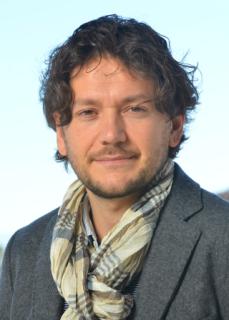
David Barnhart is a Professor in the Department of Astronautical Engineering at the Viterbi School of Engineering, University of Southern California, and serves as Director of the Space Engineering Research Center (SERC) within the Information Sciences Institute (ISI). His work drives innovation in aerospace systems, satellite technologies, and space robotics through interdisciplinary collaboration across USC and national defense initiatives.
His educational foundation includes a Master of Engineering in Aerospace & Ocean Engineering from Virginia Polytechnic Institute and a Bachelor of Science in Aerospace Engineering from Boston University. Research expertise spans three core domains: Rendezvous and Proximity Operations (sensor fusion, orbital object “DNA” signatures, genetic algorithms for swarm constellations); Space Robotics (conformable end effectors using gecko/electro adhesion, trade space analysis for on-orbit inspection); and Spacecraft Technology (cellularized systems, design-to-code methodologies, student-built bespoke satellites).
Dr. Barnhart pioneered USC’s first CubeSat launches and developed satellite design-synthesis tools that reduce development cycles from months to days. His SERC laboratory maintains clean room and electrical/mechanical facilities supporting satellites up to 100kg, alongside novel hybrid robotics testbeds for low-cost ground validation. As an entrepreneur, he co-founded multiple space sector ventures including a Space Infrastructure-as-a-Service company advancing commercial satellite servicing.
Key recognitions include:
- Office of Secretary of Defense Exceptional Public Service Medal
- USC Mentoring Award for Astronautics and Space Technology Division
- AIAA Space Systems Award for Boeing/AFRL XSS-10 Mission
- Associate Fellow of the American Institute of Aeronautics and Astronautics
- USC Viterbi Innovation in Research Award
With over 80 publications and regular leadership of national conference panels, his work bridges academic research, defense applications, and commercial space infrastructure development.