معرفی
David A. Clausi is a Professor and University Research Chair at the University of Waterloo in the Department of Systems Design Engineering, Faculty of Engineering, with a distinguished career spanning computer vision, image processing, and pattern recognition. He previously served as Associate Dean - Research and External Partnerships (2019-2024) and leads the Vision and Image Processing (VIP) Research Group, whose work bridges academic research with commercial applications including the spinout company CREZ.
His academic foundation was built entirely at the University of Waterloo:
- Doctorate in Systems Design Engineering (1996)
- Master's in Systems Design Engineering (1992)
- Bachelor's in Systems Design Engineering (1990)
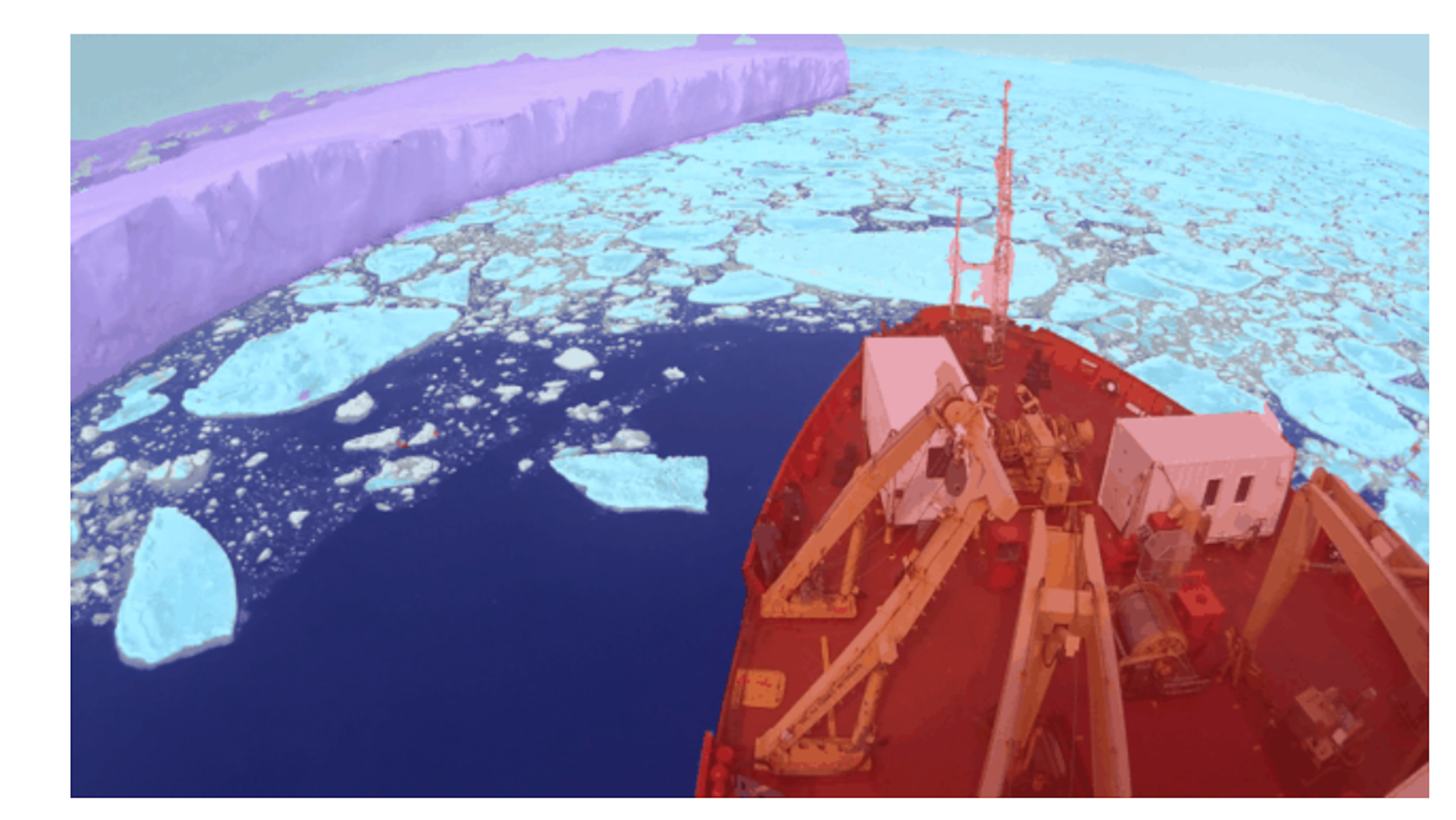
Professor Clausi's research pioneers AI-driven remote sensing for Arctic sea ice monitoring and video sports analytics in baseball/ice hockey. His group develops cutting-edge algorithms for sea ice classification, player tracking, and hyperspectral imaging, with strong emphasis on uncertainty quantification and weakly supervised learning techniques that solve real-world challenges in environmental monitoring and sports technology.
Analysis of his 2023-2025 publications reveals dominant trends in sea ice analysis using SAR satellite imagery (particularly AI4Arctic Challenge datasets) and sports video analytics, with growing integration of Bayesian methods and transformer networks for enhanced accuracy in polar regions and athletic performance analysis.
His exceptional contributions are recognized through:
- University Research Chair appointment (2024-2031)
- Triple Fellowship status (CAE, EIC, and Asia-Pacific AIA)
- CIPPRS Lifetime Achievement Award (2010)
- Five-time Outstanding Performance Award recipient
- Stanford University "Top 2% Scientist" designation
As an active educator teaching SYDE 575 (Image Processing) and SYDE 121 (Digital Computation), he mentors graduate students under Sole-Supervisory Privilege Status. His research receives substantial grant support from federal agencies and industry partners, particularly for Arctic monitoring initiatives and sports technology commercialization through the VIP Research Group.
The VIP Research Group maintains strategic partnerships with government agencies like the Canadian Ice Service and sports analytics firms, driving innovation in AI applications for climate resilience and athletic performance through cross-disciplinary collaboration between engineering, computer science, and domain specialists.