معرفی
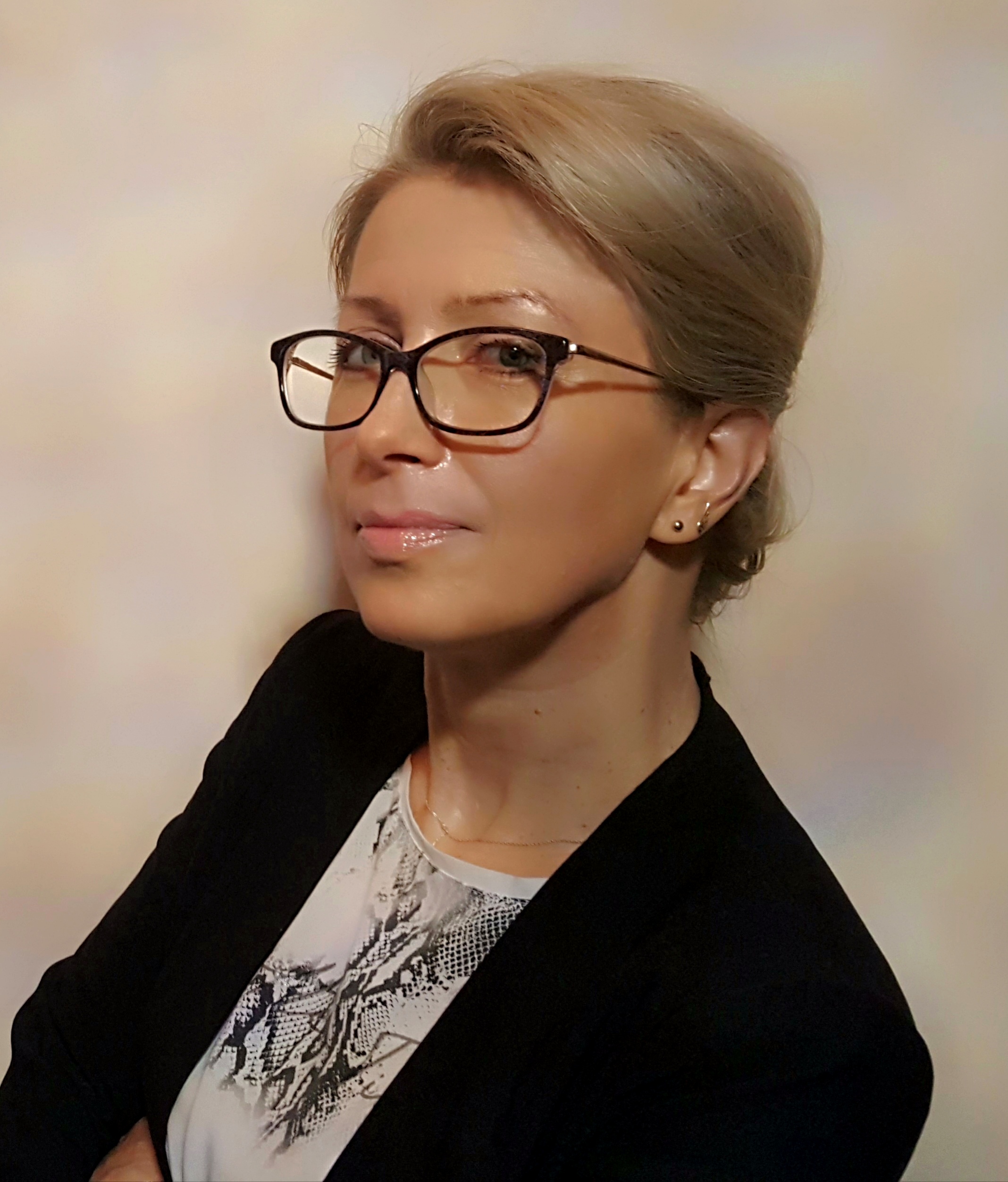
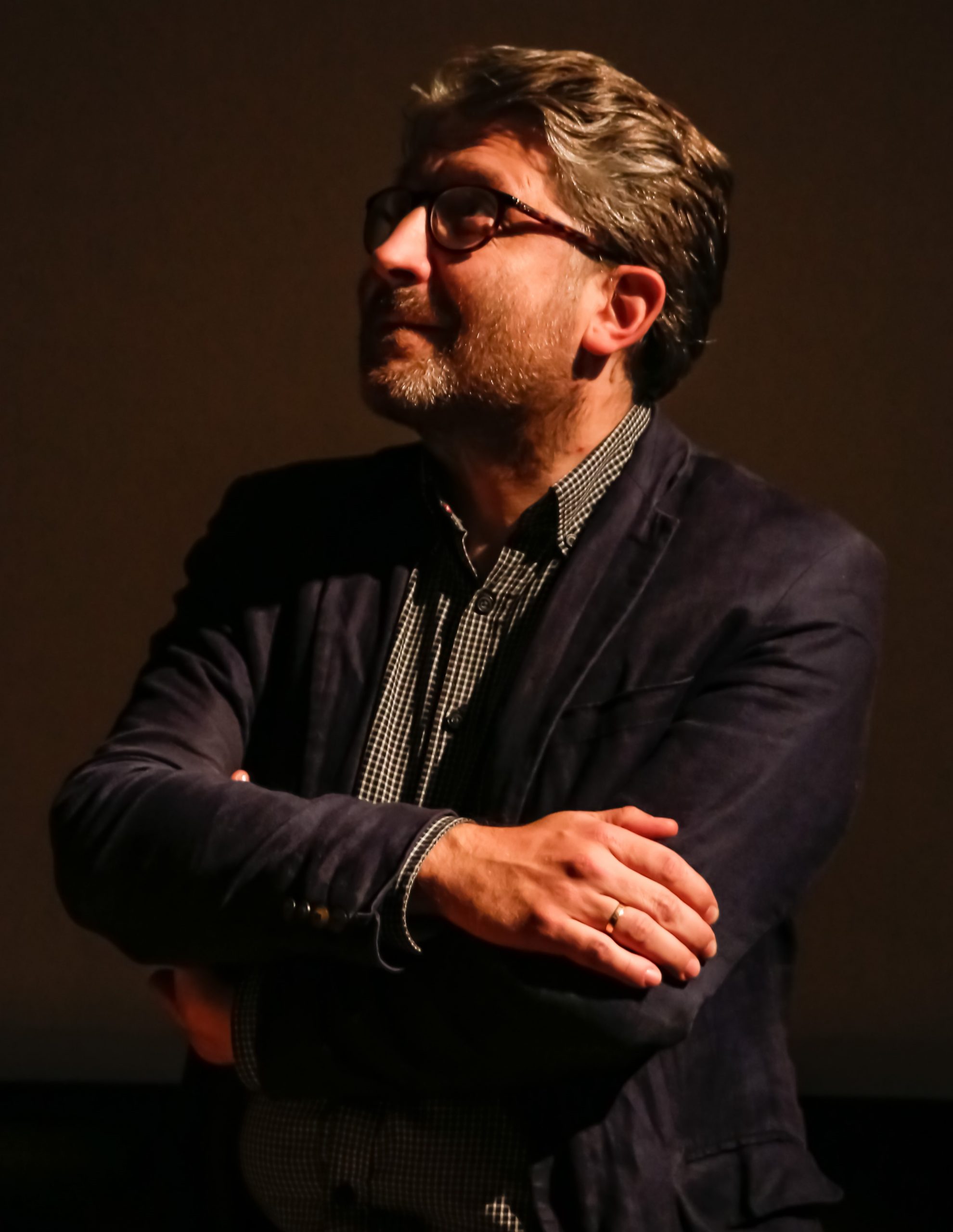
Dariusz Chojecki is a Professor at the Institute of History within the Faculty of Humanities at the University of Szczecin, where he has been affiliated since 1995. He has held significant administrative roles including Vice-Dean for Research (2016-2017) and Rector's Plenipotentiary for Scientific Monitoring (until early 2021). Currently, he serves on the Commission on the History of Demographic and Social Structures of the Polish Academy of Sciences.
His academic qualifications include:
- Doctoral degree (2002) for his dissertation on the population of the Prussian Province of Pomerania (1919-1939).
- Habilitation (2014) with the monograph "From Traditional to Modern Society", examining demographic and health conditions in Western Pomerania during Germany's industrialization era (1871-1913).
Professor Chojecki specializes in historical demography of the Greater German East (Prussian provinces), with emphasis on Western Pomerania and Szczecin during the 19th to mid-20th centuries. His research investigates demographic processes—natural change, migration, and health dynamics—amidst social transformations during the demographic transition era. He innovatively combines quantitative demographic data with qualitative historical analysis to explore urbanization and industrialization impacts in German territories, bridging population studies, social history, and urban development to yield significant insights into Central European demographic evolution.
His major scholarly contributions include the award-winning Topo-Demographic Atlas of Western Pomeranian Municipalities in 1871 and its continuation Demography – Society – Economy: Atlas of Western Pomeranian Municipalities in 1939, both demonstrating methodological rigor in spatial demographic analysis.
As editor-in-chief of "The Demographic Past of Poland" since 2015, he has shaped scholarly discourse in demographic history while maintaining active membership in the Historical Demography Team of the Polish Academy of Sciences since 2003, contributing to national and international research initiatives.
Though specific details about graduate students and research grants are not documented in available sources, his leadership in large-scale collaborative projects like the Topo-Demographic Atlas indicates extensive experience in directing multidisciplinary research teams and managing substantial academic resources.