معرفی
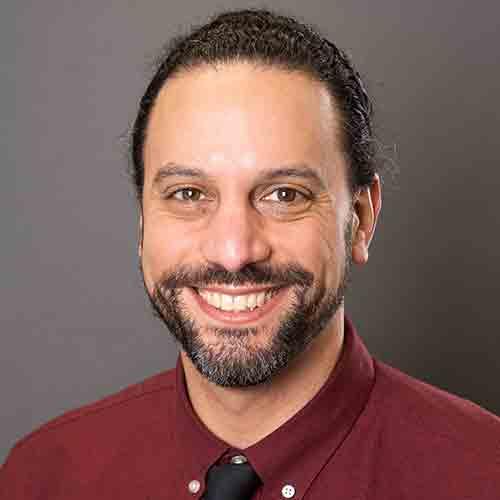
Daniel Zuckerman is a Professor in the Department of Biomedical Engineering at Oregon Health & Science University (OHSU), where he directs the Quantitative and Systems Biology Program and co-directs the Integrated Training in Quantitative and Experimental Cancer Systems Biology fellowship program. His research focuses on physics-based computational methods to study molecular and cellular systems, bridging biophysics, systems biology, and statistical mechanics.
Education:
- A.B., 1989, Harvard University
- M.S., 1995, University of California
- Ph.D., 1998, University of Maryland
Research Interests: Dr. Zuckerman’s work centers on tackling challenges in molecular and cellular biophysics through simulation algorithms, discrete-state approximations, and Bayesian inference. His group develops the weighted ensemble method and WESTPA software for enhanced molecular simulations, with applications to protein folding, ligand binding, and allostery. They also integrate live-cell imaging with molecular readouts to quantify cellular dynamics and connect these to RNA/protein behavior, using machine learning and physical principles.
Publications Trends: His recent articles emphasize Bayesian inference for mechanistic modeling, equilibrium/non-equilibrium statistical mechanics, and computational frameworks for molecular and cellular systems. Topics include cooperative binding in hub proteins, morphodynamic cell-state descriptions, transporter mechanisms, and advanced simulation algorithms for rare events.
Advising and Grants: Dr. Zuckerman co-directs a cancer systems biology fellowship program and mentors trainees who have transitioned to successful careers in academia and industry. He is actively involved in pedagogical initiatives, including textbooks like Statistical Physics of Biomolecules and co-founding the Living Journal of Computational Molecular Science to promote accessible, educational research.
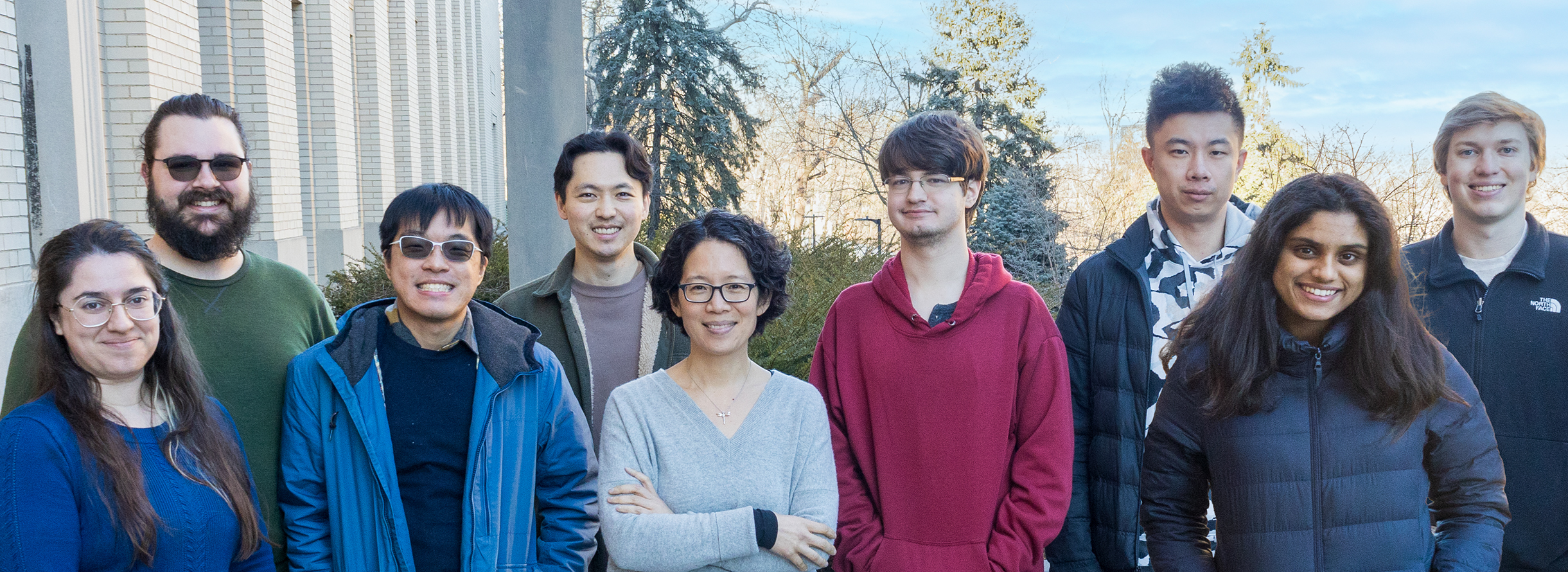
Labs and Collaborations: The Zuckerman Lab at OHSU collaborates across disciplines, applying computational and experimental approaches to systems biology. Their work spans molecular simulations, image analysis, and integrative modeling to unravel hidden biological phenomena at multiple scales.