معرفی
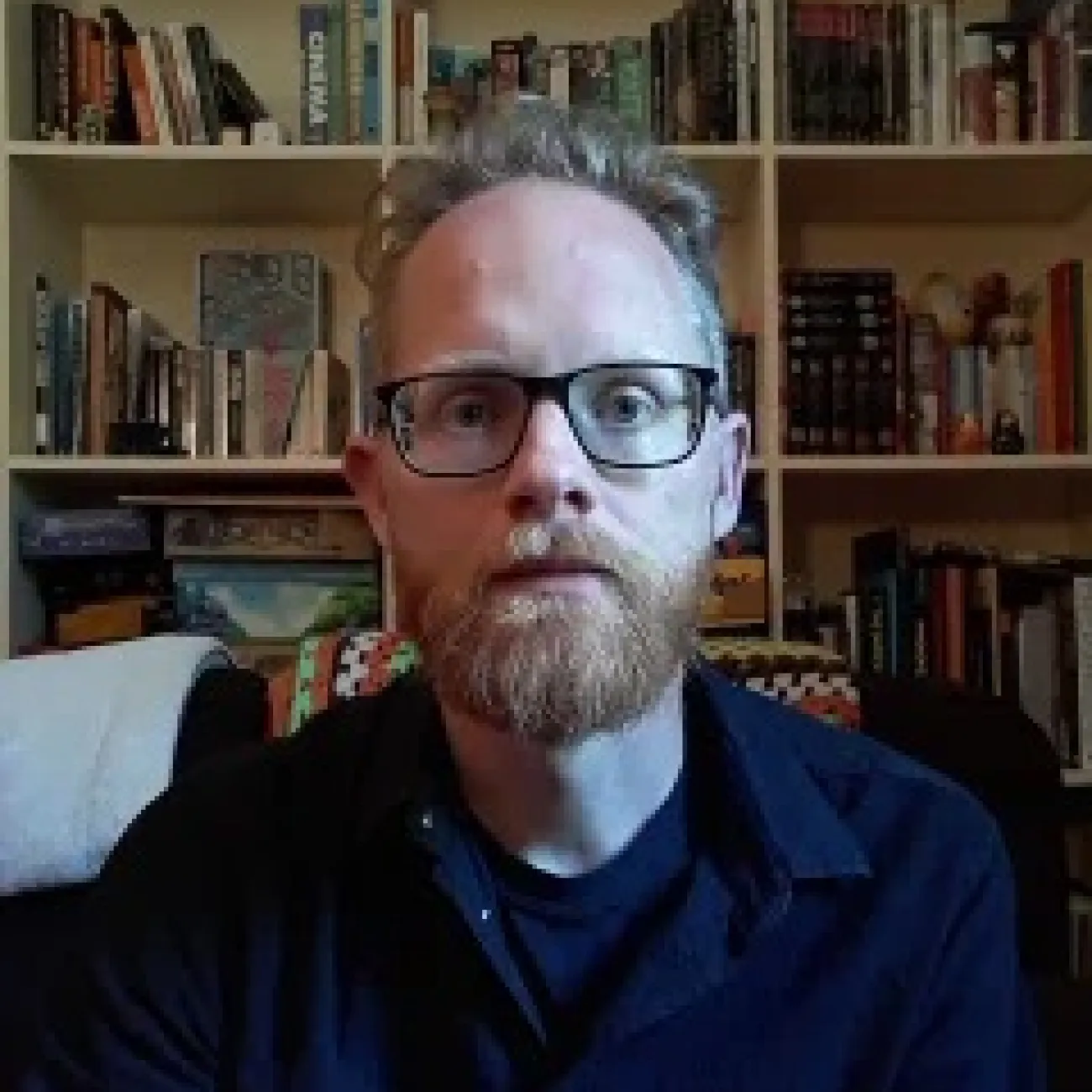
Daniel Whiting is a Professor of Philosophy at the University of Southampton, where he has been teaching since 2007. He completed his PhD at the University of Reading in 2006. His academic leadership includes serving as Head of Department (2016-2019) and Director of the Mind Association (2018-2023). He is actively involved in the philosophical community as a member of the trustees committee for the British Society of Aesthetics, the scientific board for the British Society for the Theory of Knowledge, and the editorial board of the open access journal Margaret Cavendish.
Professor Whiting's research spans several interconnected areas of philosophy. His primary interests include Epistemology, Meta-Ethics, Aesthetics, 17th/18th Century British Philosophy, and Philosophy of Language. A significant portion of his recent work focuses on Margaret Cavendish's philosophy, examining her theories of perception, value, and the passions. He also conducts important research on normative reasons, exploring connections between ethics and epistemology, as demonstrated in his book 'The Range of Reasons: In Ethics and Epistemology' (2021). His work on higher-order evidence extends across multiple domains including aesthetics, showing how epistemological concepts apply to aesthetic judgment.
Professor Whiting's publication record shows a clear evolution toward deeper engagement with early modern philosophy, particularly Margaret Cavendish's work, while maintaining his foundational interests in normativity and reasons. His recent articles (2023-2025) demonstrate increasing specialization in Cavendish while connecting her thought to contemporary debates in epistemology and aesthetics. This interdisciplinary approach characterizes his scholarly output, with consistent attention to how concepts of value, perception, and justification function across different philosophical domains.
His notable recognition includes an Arts and Humanities Research Council Fellowship (2024) for his project 'Sympathy in Harmony: Margaret Cavendish's Philosophy of Value.' This prestigious award underscores the significance of his current research direction. His editorial roles and society memberships further attest to his standing in the philosophical community.
Professor Whiting maintains an active research program with substantial publication output. His recent work suggests strong potential for continued scholarly contributions, particularly in the intersection of historical and contemporary philosophy. His leadership roles in academic organizations indicate engagement with broader philosophical discourse beyond his specific research interests.