معرفی
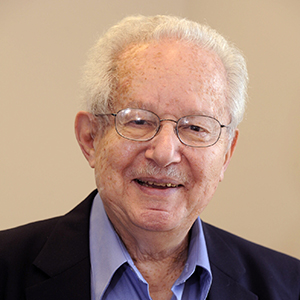
Professor Daniel R. Mandelker is a preeminent scholar at Washington University in St. Louis School of Law specializing in land use regulation, environmental policy, and local governance. His influential casebooks and treatises serve as foundational resources in legal education nationwide.
His academic credentials include:
- B.A., University of Wisconsin (1947)
- LL.B., University of Wisconsin (1949)
- J.S.D., Yale University (1956)
Mandelker's research pioneers solutions to complex urban development challenges, examining tensions between property rights and community welfare through zoning innovation, environmental compliance, and housing equity. His work bridges doctrinal analysis with practical implementation, particularly in manufactured housing accessibility and NEPA compliance for infrastructure projects. Recent scholarship analyzes evolving regulatory frameworks for sustainable community development amid demographic shifts.
His publications reveal enduring focus on land use evolution, with recurring themes in zoning reform, environmental assessment rigor, and equitable housing policy. The trajectory shows deepening engagement with indirect development impacts and disability inclusion in planning processes.
Key honors include:
- Daniel J. Curtin Distinguished Lifetime Achievement Award (ABA, 2007)
- Distinguished Leadership Award (St. Louis AICP, 2004)
- Fellow Emeritus, American Institute of Certified Planners (2012-)
Mandelker actively shapes policy through government consultation and model legislation development. He served as principal architect for the American Planning Association's model zoning codes, drafted New Orleans' charter amendments, and contributed to federal environmental assessment standards. His advisory roles with national task forces demonstrate sustained impact on regulatory frameworks across multiple jurisdictions.
Though not affiliated with formal research laboratories, Mandelker's leadership in ABA committees and professional task forces establishes him as a central node in national land use policy networks, facilitating cross-institutional collaboration on regulatory innovation.