معرفی
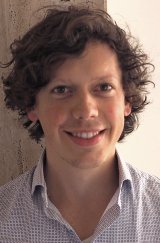
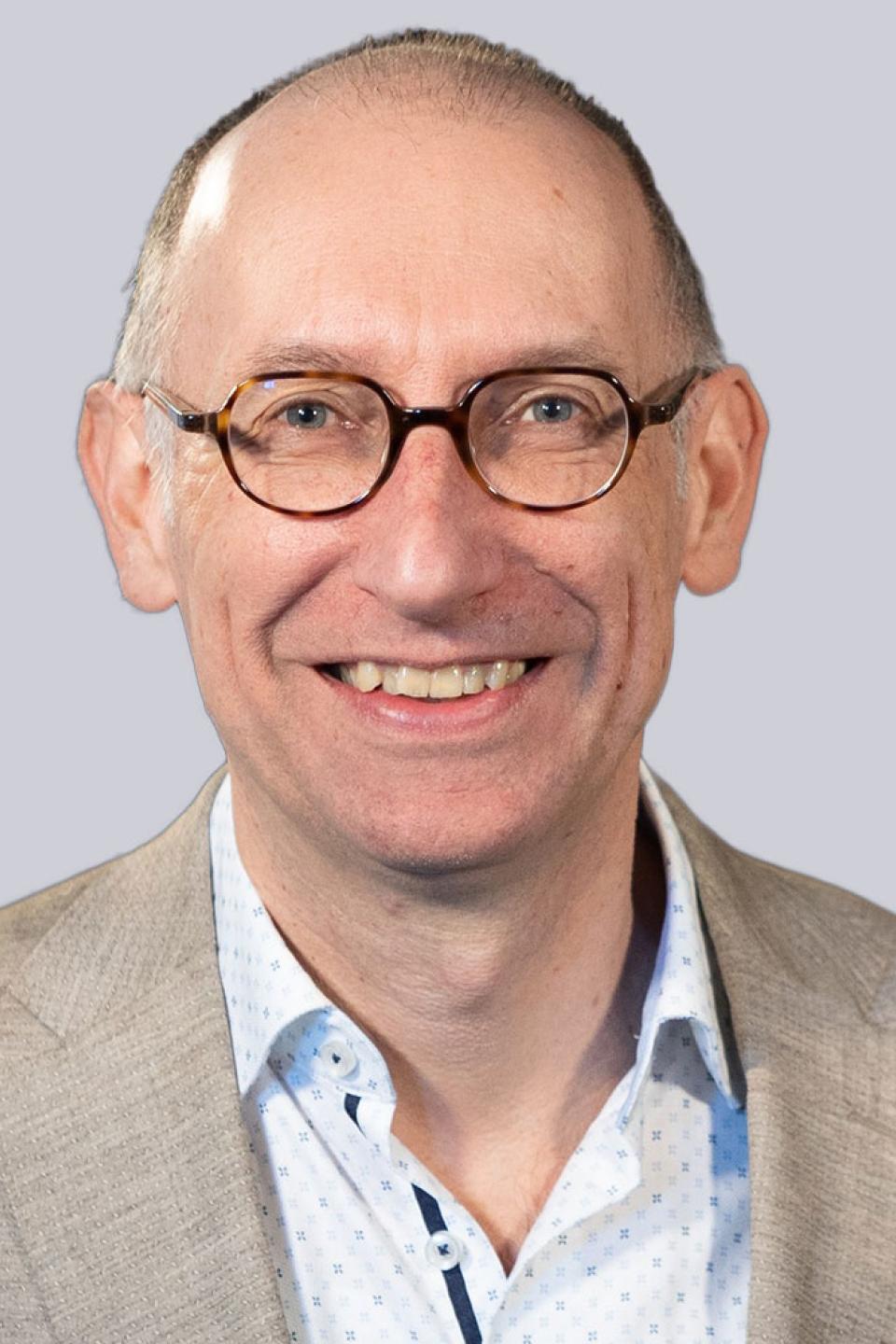
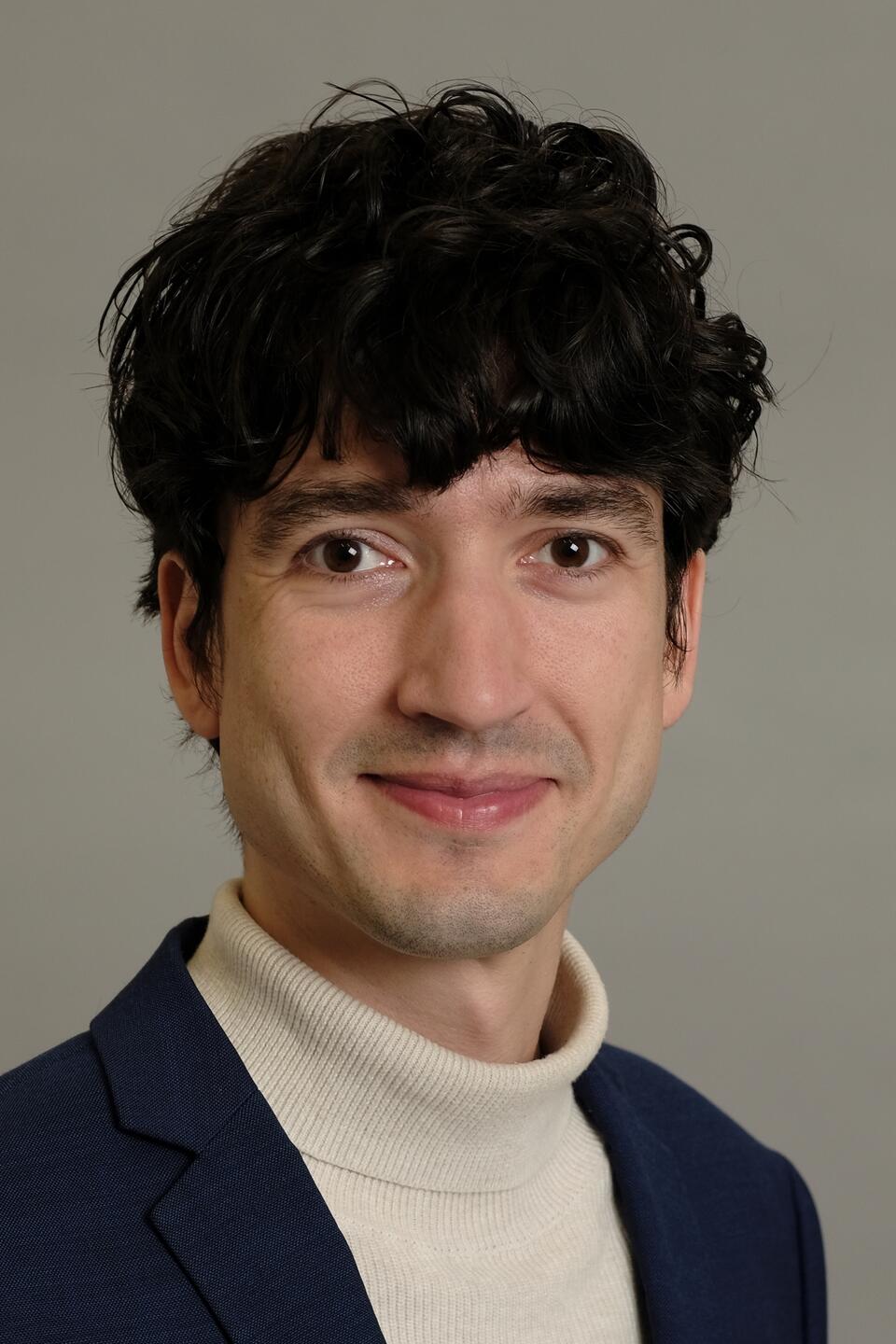
Daan Hovens is an Assistant Professor in the Department of Literature and Art at Maastricht University's Faculty of Arts and Social Sciences (FASoS). His research centers on multilingualism in border regions and industrial work environments, with a distinctive posthumanist approach to human-machine interactions in the workplace. He is affiliated with the expertise centre ITEM and has contributed significantly to language policy and sociolinguistic ethnography.
- PhD, Maastricht University (2021)
- MA Euroculture (European Studies), Göttingen & Uppsala Universities (2010-2012)
- MA Journalism, Groningen University (2013-2015)
- BA Scandinavian Languages and Cultures, Groningen University (2006-2010)
- University Teaching Qualification (UTQ), 2018-2019
Daan's research interests include multilingualism in border regions, industrial multilingualism, linguistic landscaping, language policy, and posthumanist sociolinguistics. His work bridges anthropology, education, and policy, focusing on how language functions in complex, multicultural, and technologically mediated environments such as metal foundries in the Dutch-German borderland.
His recent publications reveal a consistent focus on language use in cross-border educational and industrial contexts. Key themes include language ideologies in secondary education, barriers to cross-border schooling, and the role of machines as active participants in workplace communication. His interdisciplinary approach combines ethnography with actor-network theory and critical policy analysis.
Daan Hovens has not received any scientific awards mentioned in the text.
He has supervised no listed students but has taught courses such as "Language and Society 1: Dutch" at Groningen University. He has been involved in significant research projects, including the Interreg project EMRLingua, which examined educational needs in the Meuse-Rhine Euroregion. His grants and funding likely stem from such EU-supported initiatives, though specific grants are not listed.
Daan is affiliated with the ITEM expertise centre at Maastricht University and serves on the board of the "Limburgish" section of Levende Talen, an educational language platform. His work integrates academic research with public engagement and policy relevance, particularly in regional language and education initiatives.