معرفی
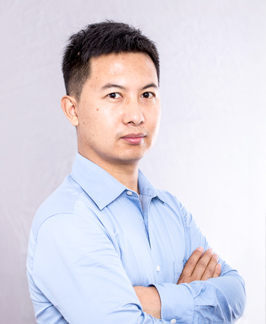
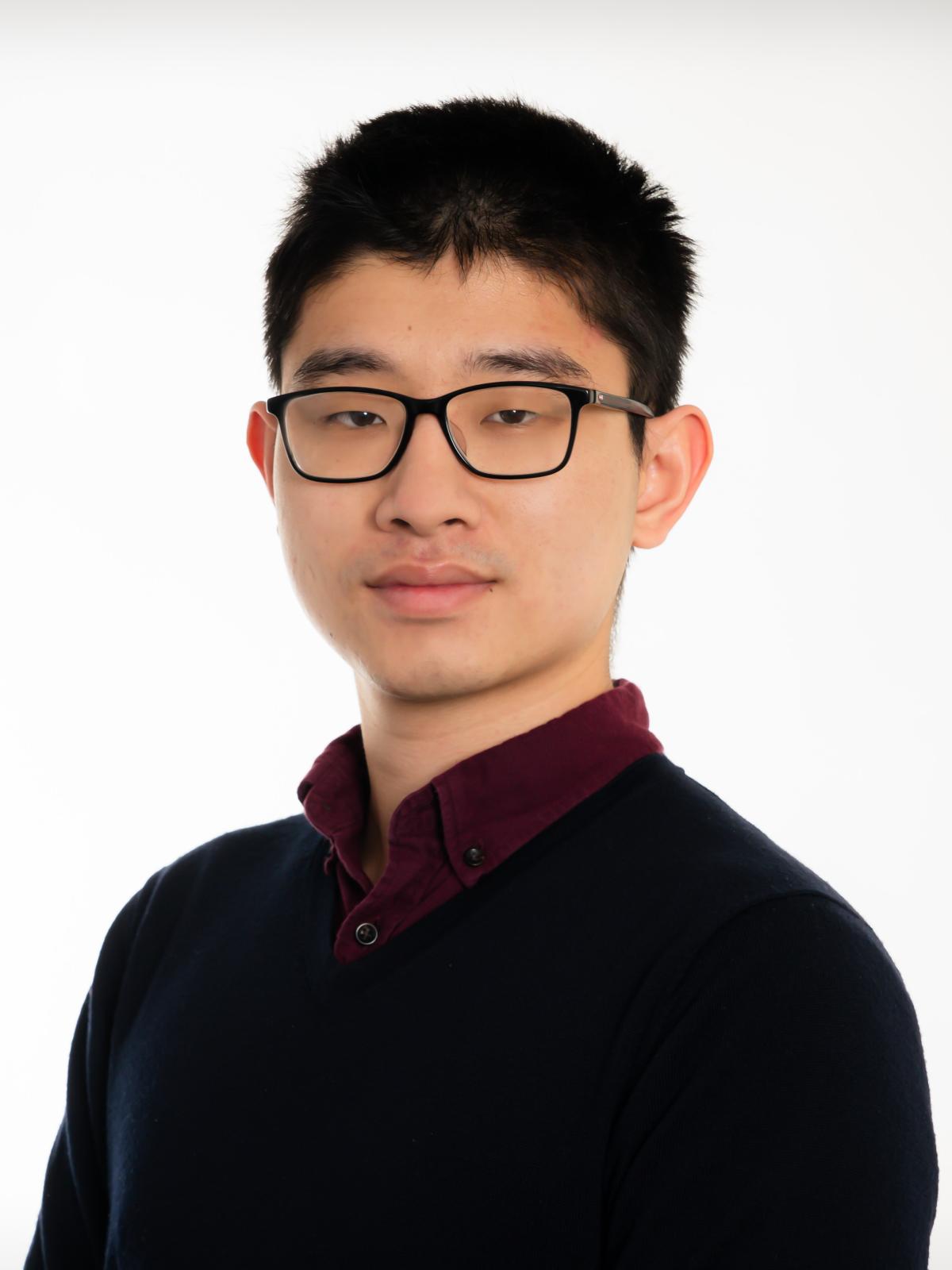
Dr. Cyrus Shahabi is the Helen N. and Emmett H. Jones Professor of Engineering at the University of Southern California (USC), holding professorships in Computer Science, Electrical & Computer Engineering, and Spatial Sciences within the Viterbi School of Engineering. His research focuses on geospatial data analysis, spatial databases, and privacy-preserving technologies. With over 20 years of experience, he has pioneered concepts such as spatial indexing and spatial crowdsourcing, contributing to applications in transportation, healthcare, and urban planning. His work is funded by agencies like NSF, NIH, and NASA, and has led to technology transfers and two startups.
Dr. Shahabi’s research interests span databases, spatial databases, multimedia databases, geospatial information systems, data mining, and fairness in AI. He has made significant contributions to trajectory analysis, location privacy, and ridesharing systems. His recent work addresses bias, fairness, and privacy in mobility data, with applications in pandemic control, oncology, and environmental management. He emphasizes practical societal impacts, such as optimizing traffic forecasting and enhancing urban sustainability.
His recent publications explore innovative approaches in geospatial AI, including trajectory generation with LLMs, privacy-preserving data publishing, and scalable traffic forecasting using graph neural networks. His work has been supported by over 20 grants from federal agencies and industry partners like Google and Microsoft. The developed technologies have been transferred to JPL, NGA, and LA-Metro, and spun off into startups.
- Awards: Helen N. and Emmett H. Jones Professor of Engineering
Dr. Shahabi advises on grants totaling millions of dollars and collaborates with interdisciplinary teams. He leads research initiatives addressing mobility data science, spatial fairness, and pandemic preparedness. His contributions to spatial indexing and trajectory analysis have become foundational in geospatial computing.
He is affiliated with USC’s Spatial Sciences Institute and collaborates with industry through the Center for Wireless and Mobile Communications. His lab’s work bridges theoretical advancements with real-world applications, such as improving public transportation efficiency and environmental monitoring systems.