معرفی
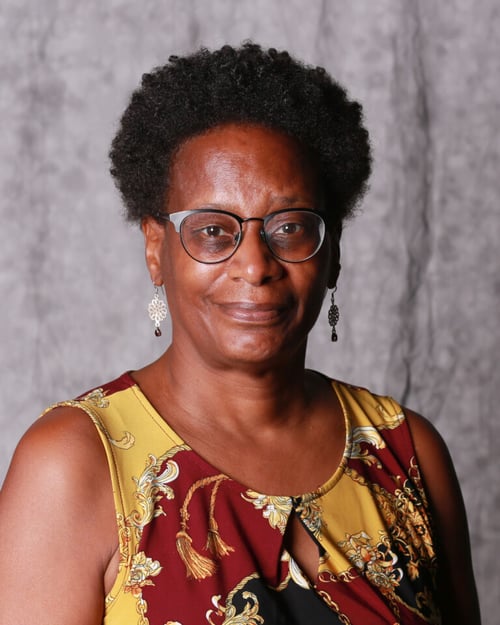
Dr. Cynthia M. Hewitt serves as the Avalon Professor of Sociology and Director of the International Comparative Labor Studies Program at Morehouse College within the Division of Africa, Humanities, Social Sciences, Media, and Arts. She holds concurrent faculty appointments in the African American Studies Program and sustainability minor, and founded the Morehouse Pan-African Global Experience (MPAGE) study abroad initiative.
Her academic credentials include:
- Bachelor of Arts in History from Brown University (1978)
- Master of Arts in Sociology from Howard University (1982)
- Doctor of Philosophy in Sociology from Emory University (1997)
Dr. Hewitt's research centers on political economy of the world-system, race/class/gender inequality, and environmental sociology, with groundbreaking work on Pan-African unification as solutions to systemic marginalization of African heritage people. Her scholarship uniquely integrates brain circulation theory and reparations frameworks for slavery.
Current projects examine matriarchal/patriarchal authority structures, worker organizing for collective bargaining, employee ownership models, and digital education strategies for secondary education access in Africa. Her 15 most recent publications (2000-2022) reveal evolving focus from Atlanta's demographic trends and job segregation analyses toward contemporary labor justice in Georgia's public sector and Pan-African digital education initiatives under the U.N. Decade for People of African Descent.
As an educator, Dr. Hewitt teaches HSOC 105: Organizing for Social Justice, HSOC 406: Sustainability and Development, and HSOC 360: Pan-Africanism as Cross-Cultural Dialogue. Her leadership in the International Comparative Labor Studies Program and MPAGE demonstrates commitment to student development through international civic engagement and transnational solidarity projects.
Dr. Hewitt directs collaborative teams with Africana unionists and global institutions focused on labor justice, digital education infrastructure, and Pan-African solutions to systemic inequality, particularly through the U.N. Decade for People of African Descent framework.