معرفی
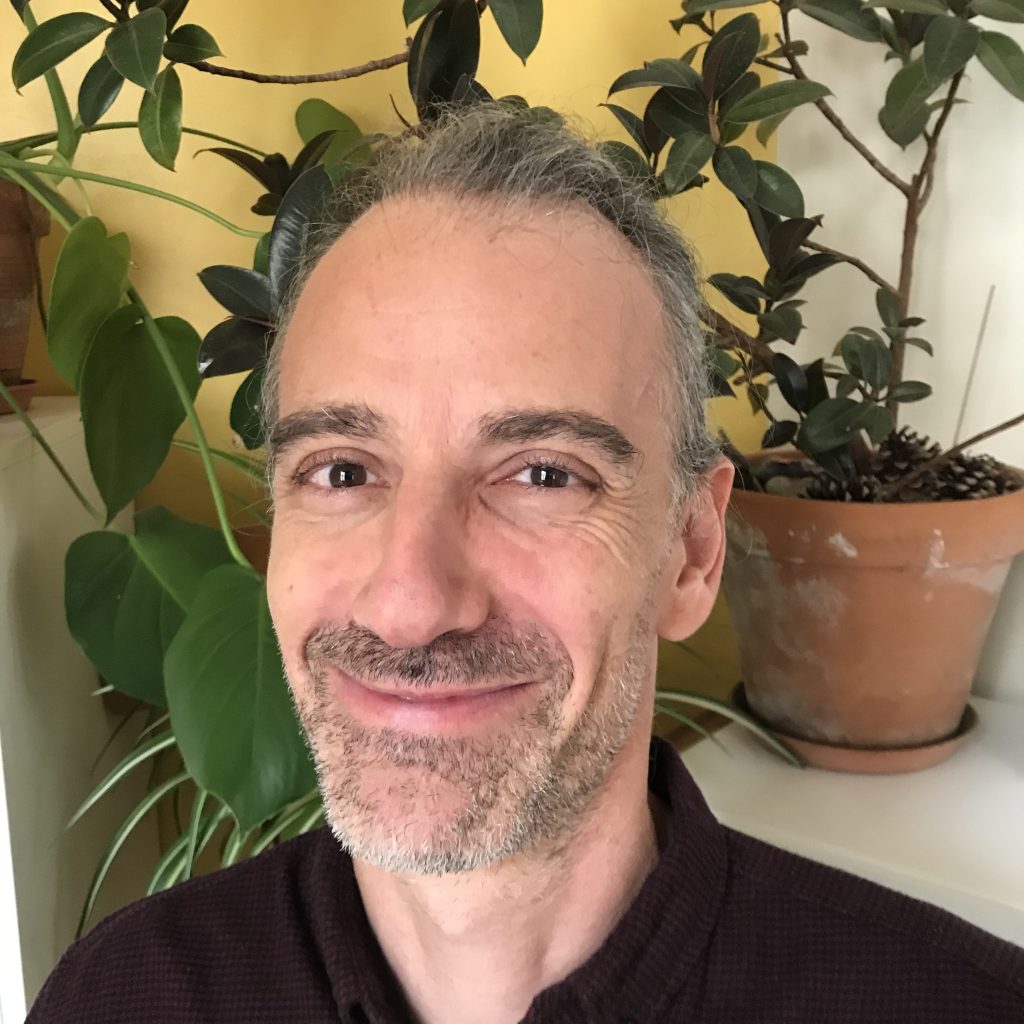
Corinne Eychenne is a Lecturer at Université Toulouse - Jean Jaurès (UT2J), affiliated with the Interdisciplinary Laboratory for Solidarity, Societies, Territories (LISST) within the Daniel-Faucher Institute's Department of Geography, Planning, Environment. Her academic work focuses on rural and human geography with particular expertise in pastoralism and mountain agriculture in France.
Dr. Eychenne's research examines pastoral systems through a social geography lens, investigating collective action frameworks, property relations, and the role of 'saltus' as a resource for settlement. Her work consistently addresses the relationship between agricultural practices and environmental management, particularly in mountainous regions. She has conducted extensive fieldwork in the Vicdessos region of the Pyrenees, analyzing agricultural installation dynamics, collective management of pastoral spaces, and the impacts of the Common Agricultural Policy on mountain farming communities.
Her scholarly output reveals a strong focus on the intersection of agricultural policy, territorial development, and rural social organization. Recent research explores concepts like 'buen vivir' in agricultural contexts and examines whether eco-pastoralism represents a distinct practice or simply a continuation of traditional approaches. She has also investigated urban animal presence and evolving definitions of rural spaces in contemporary France.
Dr. Eychenne's expertise has been recognized through invitations to testify before governmental bodies, including her 2018 appearance before the French Senate's working group on pastoralism. Her research often involves interdisciplinary collaboration with scholars from rural dynamics, agricultural innovation, and social space reconfiguration fields.
She actively participates in research programs such as INSTAGRI, which examines agricultural installation in mountainous regions, and contributes to long-term observatory projects like OHM Pyrénées Haut Vicdessos. Her methodological approach combines qualitative fieldwork with policy analysis, often employing concepts from institutional analysis and common-pool resource theory developed by scholars like Elinor Ostrom.