معرفی
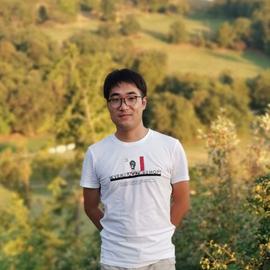
Christopher Wong is an Assistant Professor in the Department of Forestry and Environmental Management at the University of New Brunswick (UNB). He holds a PhD in Ecology and Evolutionary Biology from the University of Toronto, an MSc in Earth and Atmospheric Sciences from the University of Alberta, and a BSc in Biology from the same institution. Prior to joining UNB in 2024, he worked as a Postdoctoral Research Scholar and Assistant Project Scientist at the University of California, Davis. His research focuses on leveraging remote sensing and plant ecophysiology to study ecosystem responses to environmental and climate change. He employs techniques across spatial scales—from leaf-level measurements to satellite imagery—and temporal scales to develop monitoring tools for forestry, agriculture, and ecological systems.
Dr. Wong teaches courses such as FOR 2416 (Structure and Development of Woody Plants) and FOR 3303 (Remote Sensing). His work emphasizes interdisciplinary approaches, including high-throughput phenotyping, drone-based monitoring, and the integration of spectral data to track plant stress, photosynthetic capacity, and ecosystem resilience. He has contributed to initiatives like the Global Spectra-Trait Initiative and pioneered tools like the TSWIFT platform for frequent timeseries data collection.
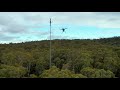
His research spans topics such as post-fire forest recovery, drought impacts on crop species (e.g., beans), and the use of optical signals to monitor photosynthesis in tropical forests. Notably, he explores the application of Sentinel imagery and hyperspectral sensing to address real-world challenges in conservation and agriculture. While no scientific awards are explicitly listed, his prolific publication record highlights his significant contributions to ecological and remote sensing research.
Dr. Wong collaborates on projects involving satellite and drone technologies, and his work often addresses global ecological questions while maintaining practical applications. He is affiliated with UNB’s Fredericton campus and actively engages in advancing methods for ecosystem assessment and climate change mitigation strategies.