معرفی
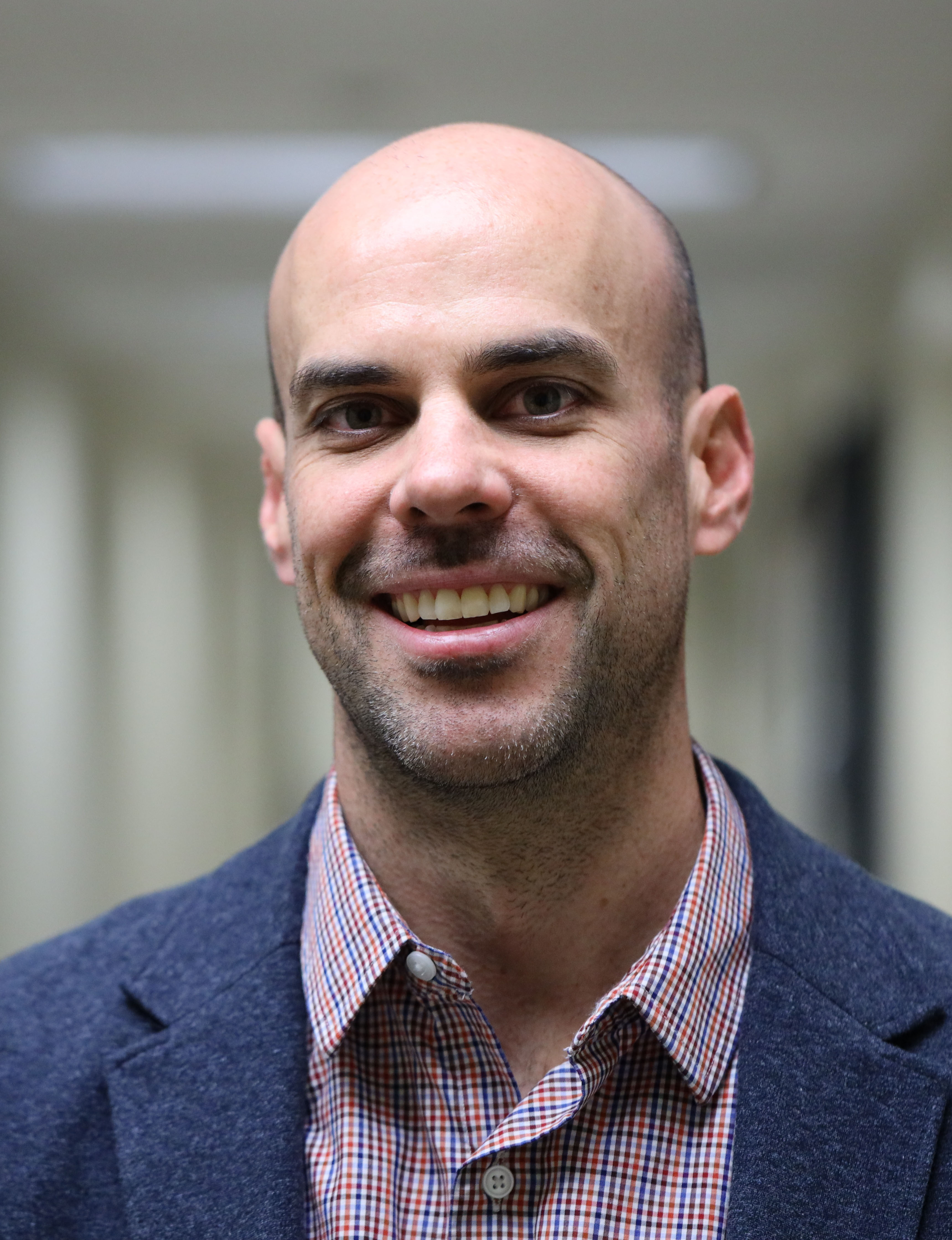
Christopher J. Lepre serves as an Assistant Professor of Geology at Bowling Green State University's School of Earth, Environment and Society since 2002, with prior appointments as Assistant Teaching Professor at Rutgers University (2011-2021) and Paleomagnetics Lab Staff at Lamont-Doherty Earth Observatory (2010-2020). His academic foundation includes a Ph.D. (2009) and M.A. (2000) from Rutgers University and a B.A. (1998) from Montclair State University.
Dr. Lepre's research spans stratigraphy, paleoclimate, rock magnetism, and human evolution, with specialized focus on the Triassic of North America and Plio-Pleistocene East Africa. His work integrates sedimentology, paleomagnetism, and spectrophotometry to reconstruct ancient environments related to dinosaur habitats, climate change, and hominin evolution. Key methodologies include analysis of hematite, pedogenic carbonates, and orbital forcing patterns to interpret paleohydrology and vegetation dynamics.
His recent publications reveal a strong trend in Triassic paleoclimate reconstruction using magnetostratigraphy and stable isotopes, particularly in the Chinle and Moenkopi Formations of the American Southwest. Simultaneously, his African Rift Valley research examines C4 grassland dynamics during hominin evolution using sedimentological and geochemical proxies from sites like Koobi Fora and Kanapoi. Notable contributions include dating early stone tools at Lomekwi 3 and establishing orbital-scale climate controls on Plio-Pleistocene African environments.
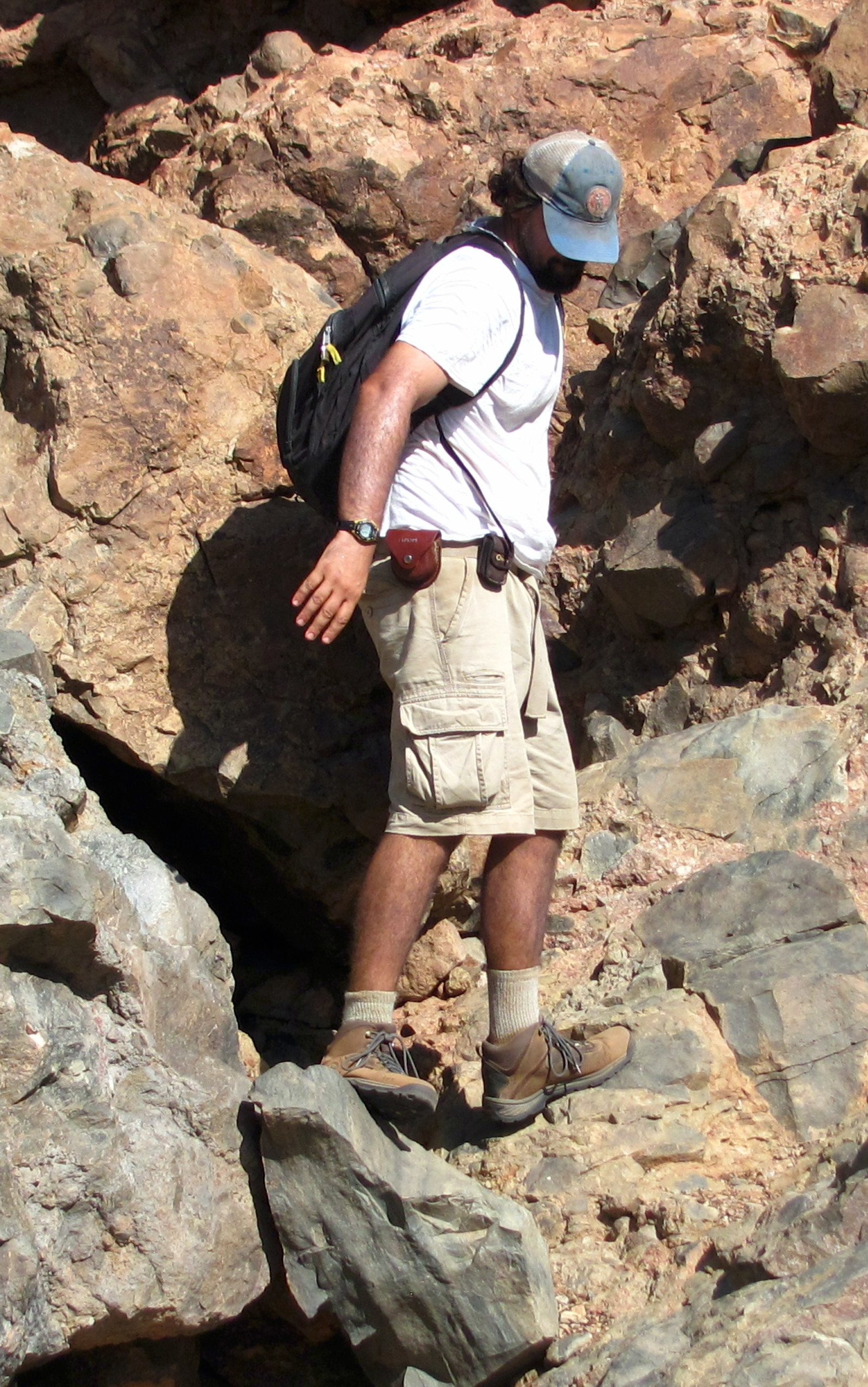
Dr. Lepre directs the Paleomagnetics Lab featuring spinner magnetometers, alternating field demagnetizers, and magnetic susceptibility meters, alongside sedimentology and spectrophotometry facilities. He teaches core geology courses including Sedimentology and Stratigraphy (GEOL 3160), Field Geology (GEOL 4940), and Life Through Time (GEOL 1050), with field instruction extending to Kenya. Graduate and undergraduate research opportunities focus on rock magnetism applications to climate change and human evolution, with financial support available through teaching and research assistantships.