معرفی
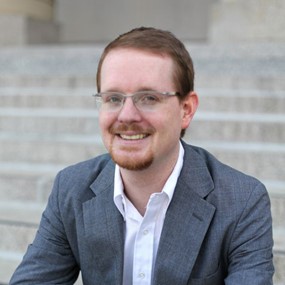
Christopher Berk serves as a Senior Lecturer in Anthropology within the Department of Sociology, Anthropology & Social Work at Auburn University. His academic career centers on ethnographic fieldwork in Tasmania, Australia since 2004, and he leads a cultural anthropology field course in Sitka, Alaska since 2023, demonstrating active engagement in both research and pedagogy.
His educational foundation includes a PhD, MA, and Graduate Certificate from the University of Michigan, complemented by a BA from Union College. These qualifications underpin his expertise in cultural anthropology and Indigenous studies.
Berk's research investigates the intricate dynamics of Tasmanian Aboriginal identity, cultural intimacy, and museum representation. He explores how language revival (particularly Palawa Kani), material culture, and contemporary public narratives intersect with historical trauma and belonging. His work critically examines the role of institutions like the Smithsonian and Tasmanian Museum in shaping Aboriginal cultural narratives, emphasizing the tension between historical preservation and present-day identity politics.
Analysis of his publications reveals consistent thematic focus on Aboriginal agency within museum contexts, evolving from early studies of language and exhibitions (2015-2017) toward nuanced examinations of compensation, belonging, and prehistoric narratives (2020-2023). His scholarship bridges cultural anthropology, museum studies, and Indigenous epistemologies, with increasing attention to material culture's role in reconciling historical injustice.
His recognition includes:
- Smithsonian's Summer Institute in Museum Anthropology (SIMA) Faculty Fellow (2019)
Berk's teaching portfolio encompasses Culture and Adaptation, Language and Culture, Museum Studies in Anthropology, Anthropology and Fiction, and specialized Indigenous Studies courses. While specific grant funding isn't documented in the source text, his sustained fieldwork in Tasmania and Alaska, along with SIMA fellowship, indicate robust research infrastructure. His collaborative work with major institutions demonstrates strategic partnerships that amplify the impact of his anthropological inquiry.
His professional activities connect Auburn University to global networks including the Smithsonian National Museum of Natural History and Tasmanian cultural institutions, fostering transnational dialogue on Indigenous representation and museum anthropology.