معرفی
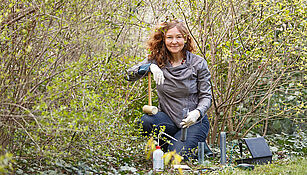
Christa Schleper is a Professor in the Department of Functional and Evolutionary Ecology at the University of Vienna, where she leads groundbreaking research on archaea—microorganisms central to understanding the origin of complex life. She has held academic positions in the USA (Caltech, UC Santa Barbara), Norway (Bergen), and Germany (Darmstadt), and is recognized as a pioneer in applying metagenomic methods to environmental microbiology.
Her research focuses on the evolutionary and ecological significance of archaea, particularly their role in the emergence of eukaryotic cells. She led the team that first successfully cultivated Asgard archaea, revealing complex cellular structures such as a primitive cytoskeleton—previously thought to exist only in eukaryotes. Her work also uncovered the widespread presence of archaea in everyday environments like soil and river sediments, including the identification of Nitrososphaera viennensis, a key player in the nitrogen cycle.
The 15 most recent articles reflect a strong focus on archaeal evolution, environmental distribution, and biogeochemical impact. They span fields such as microbial ecology, evolutionary biology, and sustainable agriculture, with recurring themes including the origin of eukaryotes, nitrogen cycling, metagenomics, and climate-relevant microbial processes.
Her scientific achievements have been recognized with top honors, including:
- ERC Advanced Grant (2016)
- FWF Wittgenstein Prize (2022)
As a highly cited researcher, Schleper actively promotes science communication and environmental responsibility, co-teaching a lecture series with the 'Fridays for Future' movement. Her work bridges fundamental biology with global challenges such as fertilizer overuse and oceanic dead zones. She leads a research group conducting fieldwork in extreme environments like volcanoes and hydrothermal vents, contributing to both theoretical and applied microbiology.
Her lab continues to explore the cellular complexity of archaea and their potential to inform sustainable agricultural practices, positioning her at the forefront of 21st-century microbial research.