معرفی
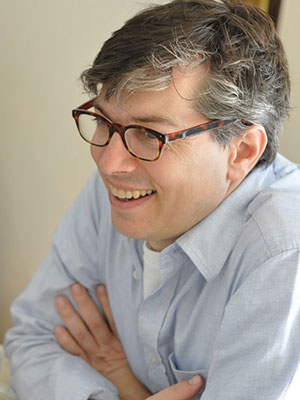
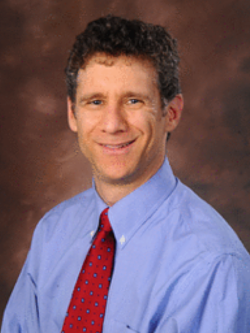
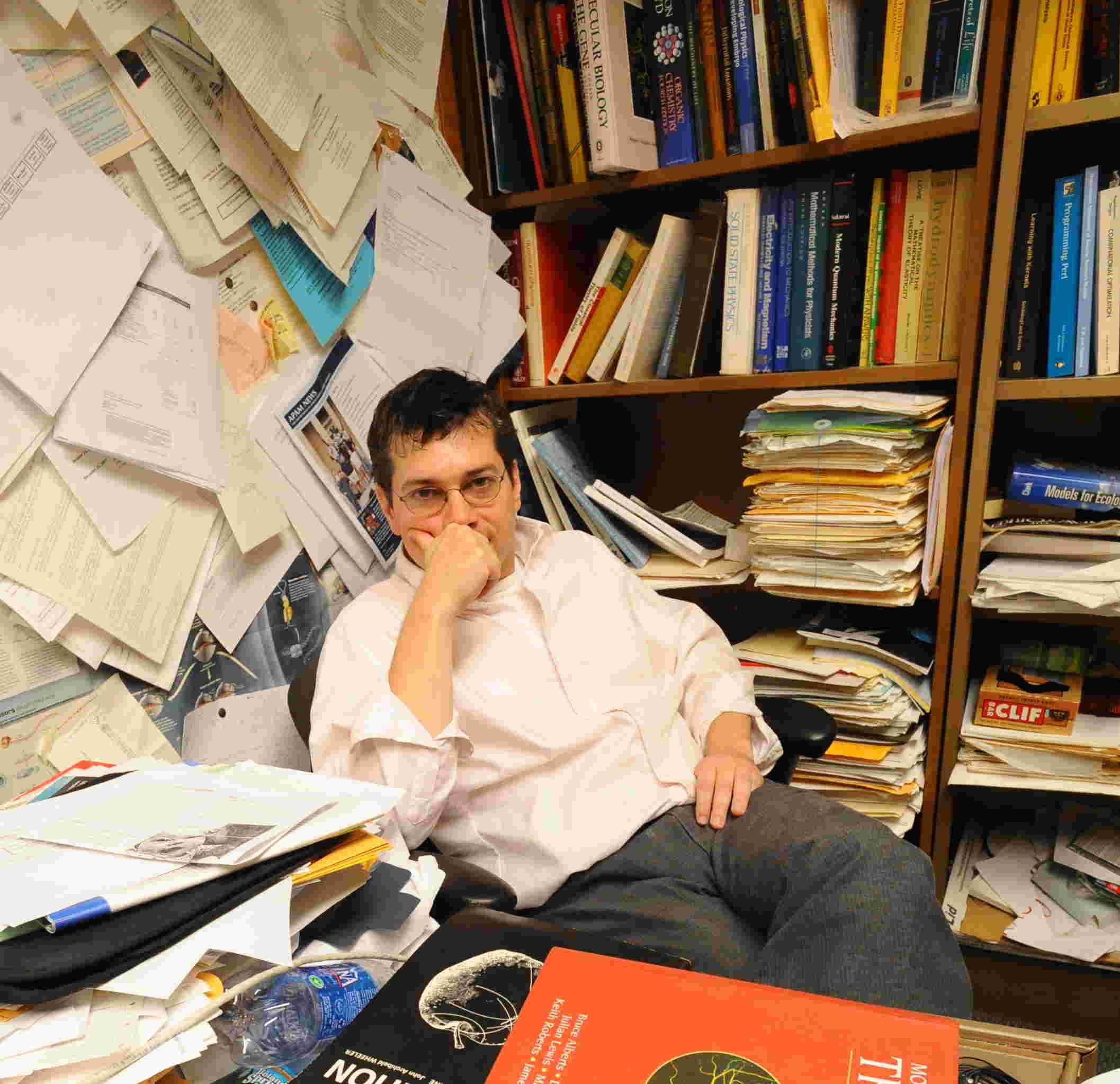
Chris Wiggins is an Associate Professor of Applied Mathematics and Systems Biology at Columbia University, with affiliations in the Department of Statistics. He is based in the School of Engineering and Applied Science and conducts interdisciplinary research at the intersection of data science, machine learning, and biological systems. His work bridges computational modeling with applications in genomics, single-molecule biophysics, digital health, and disinformation studies.
His research interests include:
- Data Science and its societal implications
- Machine learning for biological networks and gene regulation
- Bayesian and statistical inference in single-molecule experiments
- Privacy-aware data analysis and algorithmic ethics
- Modeling in digital health, including menstrual cycle prediction and cancer drug screening
- Information-theoretic approaches to network structure and dynamics
The trends in his recent publications reveal a growing focus on the ethical and societal dimensions of data science, as seen in works like How Data Happened and An Agenda for Disinformation Research, while maintaining strong technical contributions in biomedical modeling, particularly in cancer and women’s health. His work combines rigorous statistical methods with real-world data challenges.
Notable scientific contributions include foundational work on ARACNE for gene regulatory network inference, Bayesian modeling of single-molecule dynamics, and methodological advances in dose-response modeling. His publications span top journals in bioinformatics, computational biology, and data science.
He has advised doctoral students in applied mathematics and computational biology, though specific names are not listed in the provided text. His research has been supported by interdisciplinary grants, particularly in systems biology and data science initiatives. He is actively involved in shaping the philosophy and pedagogy of data science as a field.
Chris Wiggins is associated with research centers at Columbia that focus on applied statistics, probability, and data science. He contributes to seminars and educational programs that promote quantitative reasoning across disciplines, particularly in the context of modern data-driven challenges.
حوزههای پژوهشی