معرفی
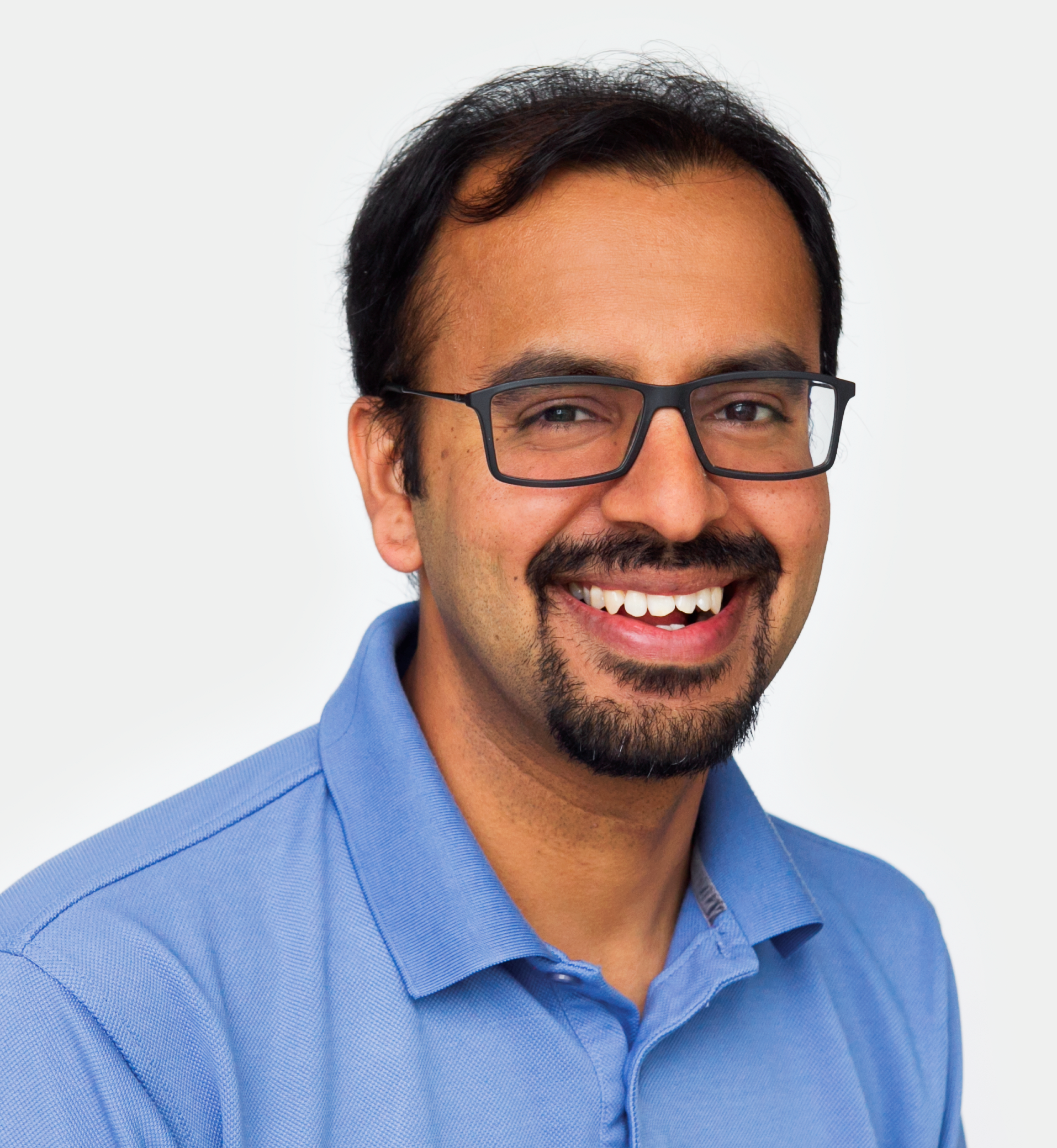
Professor Chris Ling is a distinguished academic at the University of Sydney, serving as Professor of Solid-state Chemistry in the School of Chemistry since 2018. He also holds the position of Deputy Director at the Sydney Analytical Core Research Facility and is a member of both The Net Zero Institute and The University of Sydney Nano Institute.
His educational background includes a BSc from the University of Melbourne (1992-1994), a BSc (Hons 1) from the Australian National University (1995), and a PhD from the Research School of Chemistry at ANU (1996-1999). Following his doctoral studies, he completed postdoctoral research at Argonne National Laboratory in the USA and worked as a Physicist at the Institut Laue-Langevin in France.
Professor Ling's research focuses on solid-state materials chemistry, with particular emphasis on magnetic materials, energy storage and conversion systems, solid-oxide fuel cells, batteries, and solid-state ionic conductors. His work employs advanced techniques including neutron scattering, synchrotron X-ray science, and crystallography to investigate phase transitions and modulated structures. He takes a "crystal chemical" approach, relating crystal structure to chemical composition and physical properties.
His recent publications demonstrate a strong focus on energy materials, particularly battery technologies and solid-state ionic conductors. There's a clear trend toward investigating complex oxide materials for energy applications, with significant contributions to understanding magnetic structures in frustrated systems and developing new materials for fuel cells and batteries.
Among his notable honors are:
- Friedrich Wilhelm Bessel Research Award from the Alexander von Humboldt Foundation (2018-19)
- SOAR Fellow at The University of Sydney (2017-18)
- Neutron Award from the Australian Neutron Beam Users Group (2017)
- Faculty of Science Outstanding Teaching and Research Award from The University of Sydney (2017)
Professor Ling currently supervises several research students working on diverse projects including lithium-ion battery degradation mechanisms, rare earth-free high-performance magnets, and oxides for energy applications. His research is supported by significant grants including ARC DP190101862 and ARC DP200100959, totaling over $1.7 million in funding.
His research group maintains comprehensive facilities for materials synthesis and characterization, including Australia's first IR floating-zone image furnace for crystal growth, advanced X-ray powder diffractometers, and specialized equipment for battery material testing. The group also has extensive access to neutron scattering facilities at the OPAL research reactor and synchrotron facilities in Melbourne.