معرفی
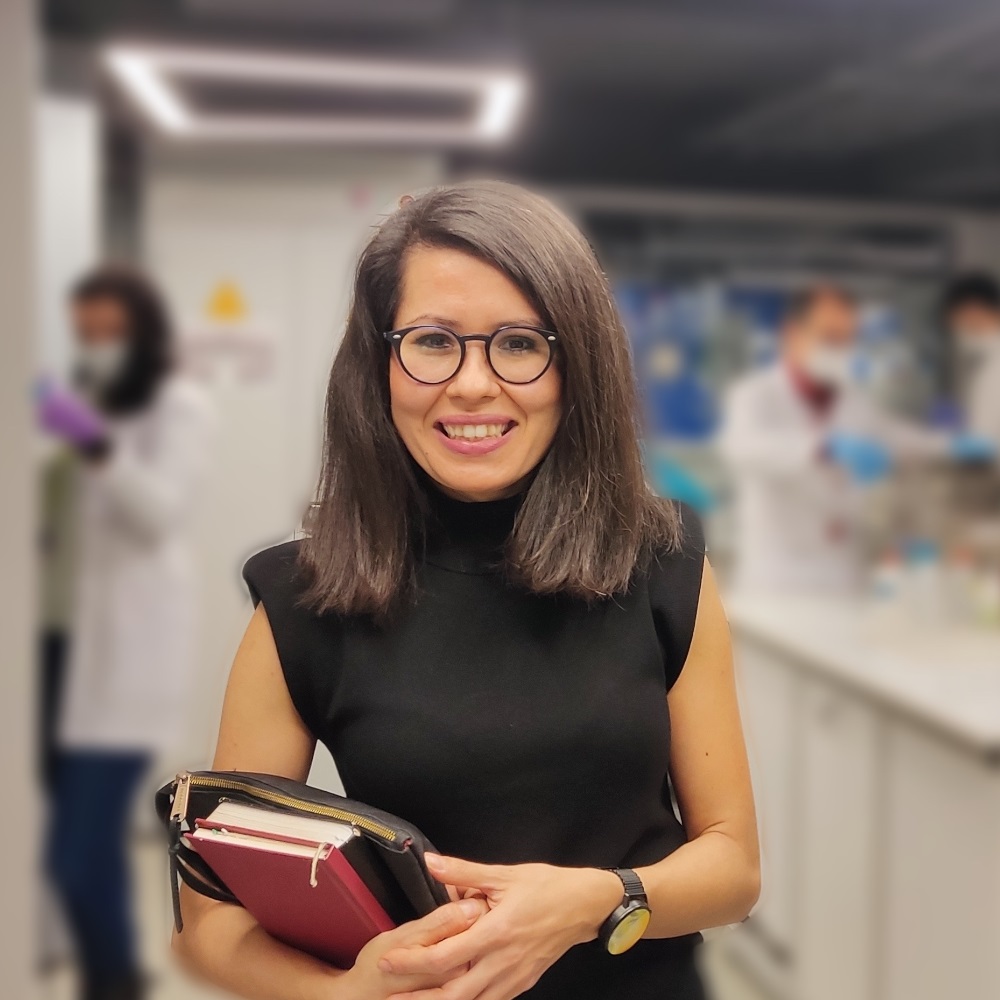
Dr. Chiara Ghezzi is Associate Professor and Associate Chair of the Doctoral Program in Biomedical Engineering at the Francis College of Engineering, University of Massachusetts Lowell. Her research integrates structural biopolymer nanomanufacturing with regenerative medicine to develop 3D tissue models that recapitulate physiological architecture and native microstructure.
Education:
- B.S. & M.S. in Biomedical Engineering, Politecnico di Milano (Italy), specializing in Biomaterials and Tissue Engineering
- Ph.D. in Mining and Materials Engineering, McGill University (Canada), focusing on dense collagen-based tubular tissue models
- Postdoctoral training at Tufts University Biomedical Engineering Department
Her research centers on biomaterial design for clinical translation, particularly using natural polymers like collagen and silk to engineer tissue models for cornea, airway, and esophageal applications. By combining advanced biofabrication with physiological stimuli, her lab investigates multicellular responses to native microenvironments, driving innovations in regenerative medicine through structure-function relationships in biopolymers.
Analysis of recent publications reveals dominant trends in corneal tissue engineering (60% of articles), followed by esophageal regeneration (20%) and fundamental biomaterial characterization (20%). Key methodologies include silk fibroin processing, enzymatic crosslinking, and multi-compartment 3D models incorporating innervation.
Scientific Recognition:
- Women in Engineering Visitor Award (University of New South Wales, 2019)
- James Douglas Fellowship Bronze Medal (McGill University, 2012)
- Multiple Principal’s Graduate Fellowships (McGill University, 2009-2011)
As former Project Coordinator for the NIH P41 Tissue Engineering Resource Center (2016-2019), Dr. Ghezzi managed significant collaborative research initiatives. Her lab maintains strong industry partnerships focused on clinical translation, with 44+ publications and 3+ patent applications demonstrating consistent grant funding success. Current work emphasizes tropoelastin-silk hybrids for corneal transplants and innervated tissue models for neurological disease studies.