معرفی
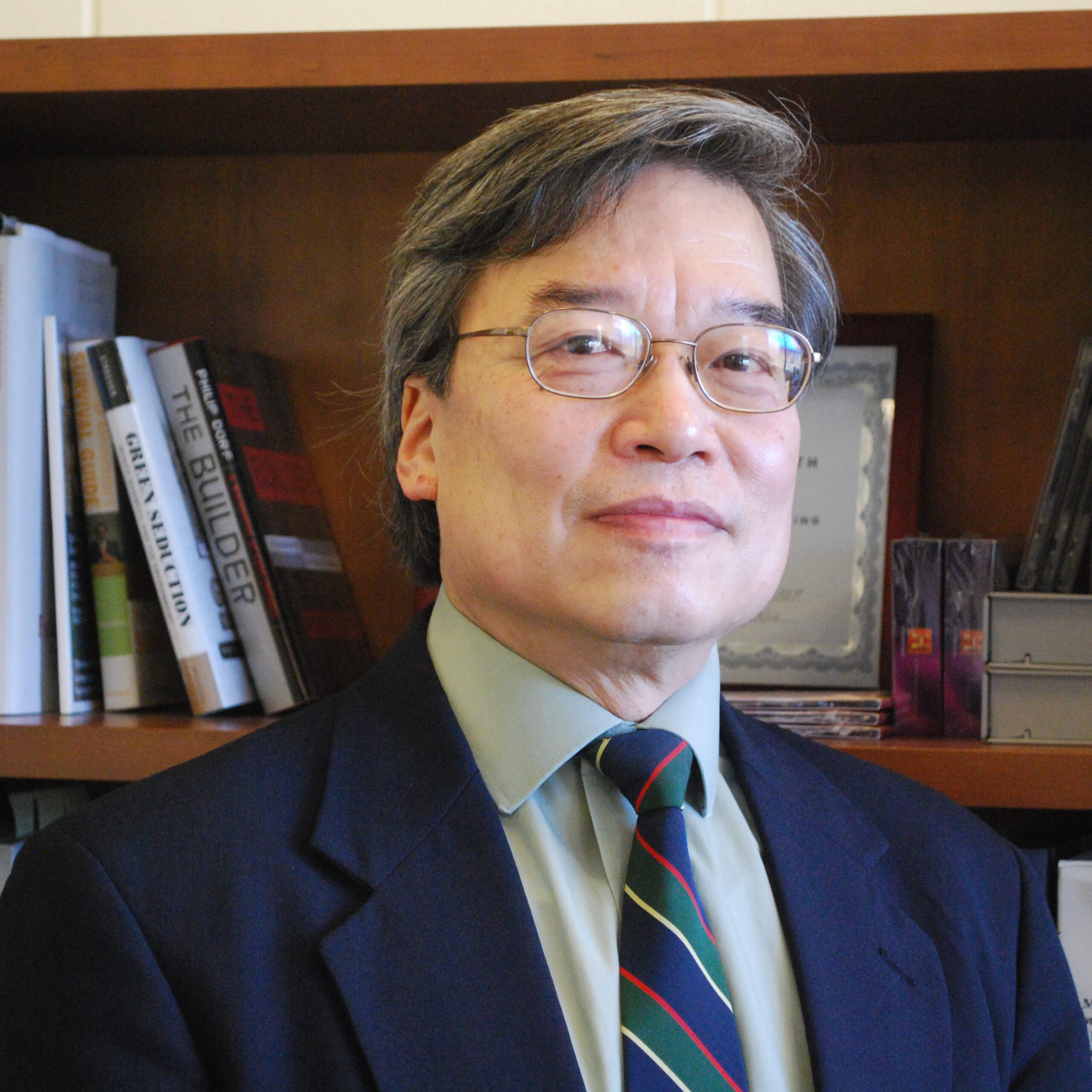
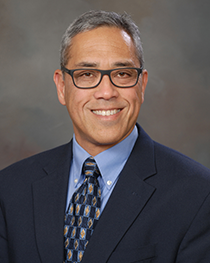
Che-Wei Chang is an Assistant Professor in the Department of Ocean Engineering at the University of Rhode Island (URI), where he joined in August 2023. Prior to URI, he was an Assistant Professor at the Disaster Prevention Research Institute of Kyoto University in Japan. He earned his Ph.D. in Civil and Environmental Engineering from Cornell University in 2017, along with an M.S. in Civil Engineering from National Taiwan University (2008) and a B.S. in Soil and Water Conservation from National Chung Hsing University (2006).
- Ph.D., Civil and Environmental Engineering, Cornell University, 2017
- M.S., Civil Engineering, National Taiwan University, 2008
- B.S., Soil and Water Conservation, National Chung Hsing University, 2006
Dr. Chang specializes in coastal engineering, coastal resilience, and nature-based solutions for mitigating coastal hazards. His research focuses on water waves and nearshore hydrodynamics, particularly how mangroves and other natural features reduce wave impacts from tsunamis, storm surges, and rising sea levels. He integrates numerical modeling, laboratory flume experiments, and field observations to advance understanding of coastal morphodynamics under climate change.
His recent work, including 2025 publications on SPH simulations and field studies, emphasizes mangrove resilience against breaking wave forces and critical wave conditions leading to mangrove failure. Earlier studies (2015–2022) explore Boussinesq modeling, wave-vegetation interactions, and coastal forest functional evaluation. These articles highlight his commitment to sustainable shoreline management and science-based coastal design.
Dr. Chang received the Coastal Engineering Journal (CEJ) Citation Award 2024 for his impactful review paper and was appointed a Senior Fellow of the Coastal Institute (URI) in 2025. He actively mentors graduate students like Felipe Espinoza and Ramin Safari, who investigate wave-mangrove dynamics and vegetation impacts on coastal systems. His lab at URI, the Chang Coastal Lab, collaborates on conferences (e.g., ICCE 2024) and NSF-funded projects like NHERI RAPID Facility workshops.