معرفی
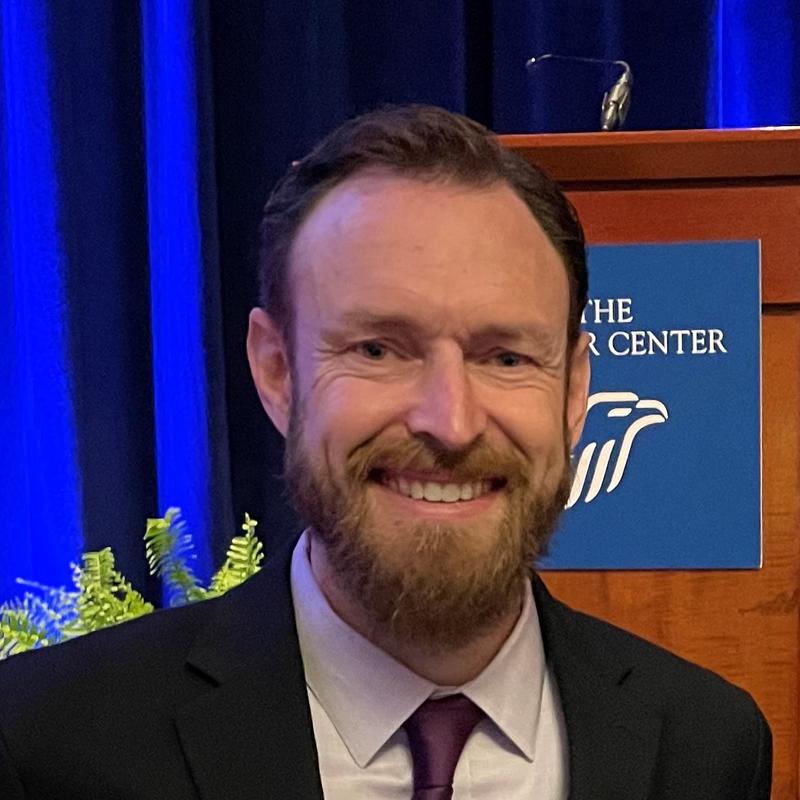
Charles Thickstun is a Doctoral Student affiliated with the School of Epidemiology and Public Health at the University of Ottawa. His research focuses on international development, infectious diseases, and spatial analysis, with particular emphasis on malaria control, lymphatic filariasis elimination, and vector-borne disease dynamics. He has contributed to studies in Tanzania, Benin, Guyana, and Papua New Guinea, examining intervention efficacy, community acceptability of health programs, and ecological factors influencing disease transmission.
His work integrates epidemiological methods, spatial statistics, and mixed-methods approaches to address public health challenges in low-resource settings. Key interests include the resilience of health systems, the impact of vector resistance to insecticides, and co-endemicity of parasitic diseases like malaria and schistosomiasis.
Recent research highlights include evaluations of novel long-lasting insecticidal nets (LLINs), mass drug administration (MDA) strategies, and tick population surveillance in Canada. He has published extensively on vector control efficacy, community engagement in disease programs, and spatial distribution of zoonotic pathogens.