معرفی
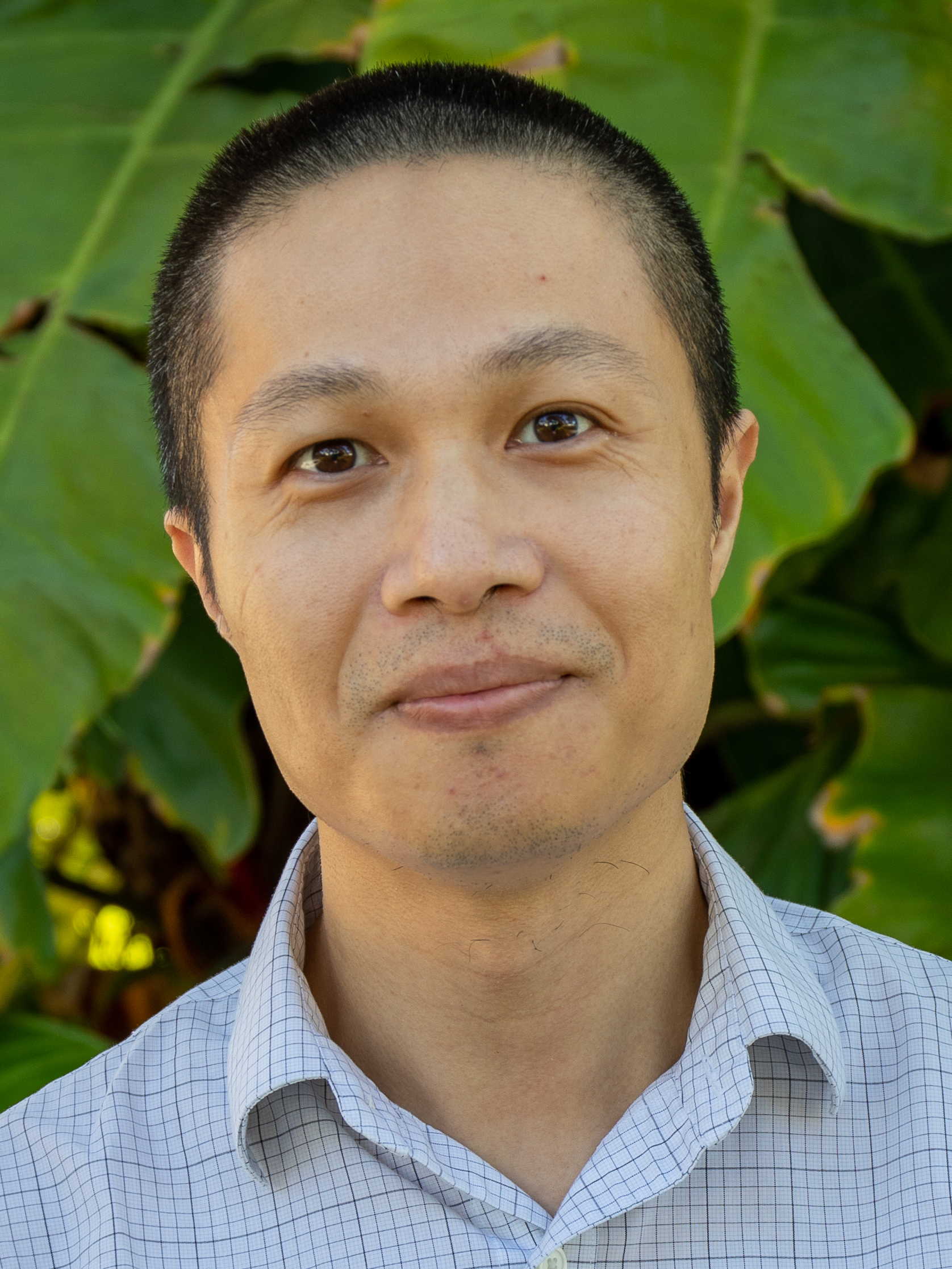
Chaoming Song is an Associate Professor in the Department of Physics at the College of Arts and Sciences, University of Miami. His research bridges physics, complex systems theory, and social science to understand human behavior through quantitative analysis of movement, interaction, and communication patterns.
Dr. Song's research focuses on applying physics principles to social systems with particular emphasis on:
- Collective human movement and phase transitions in social alignment
- Objective measurement of social interactions in educational settings using ultra-wideband radio frequency tracking
- Homophily and network formation in children with and without developmental disabilities
- Dyadic speech patterns and language development in preschool settings
- Modeling of disease transmission using real-world movement data
- Urban growth patterns emerging from human mobility behavior
His publication record demonstrates a consistent interdisciplinary approach combining physics, data science, and social observation. Recent work shows increasing application to educational and public health contexts, particularly in understanding child development and pandemic response. His research on classroom dynamics has revealed fundamental principles of social alignment, showing how distance-dependent interactions lead to phase transitions in human movement patterns.
Dr. Song's work has received attention from news outlets and academic platforms, with several publications referenced in Wikipedia pages and garnering significant readership on Mendeley. His research on classroom transmission dynamics during the pandemic provided evidence for the effectiveness of reduced classroom density and teacher vaccinations.
His work involves extensive collaboration with researchers in psychology, education, and public health, particularly through projects measuring real-time interactions in preschool classrooms. These collaborations have produced insights applicable to inclusive education practices and public health interventions, demonstrating how objective measurement of social dynamics can inform educational and health policy.