معرفی
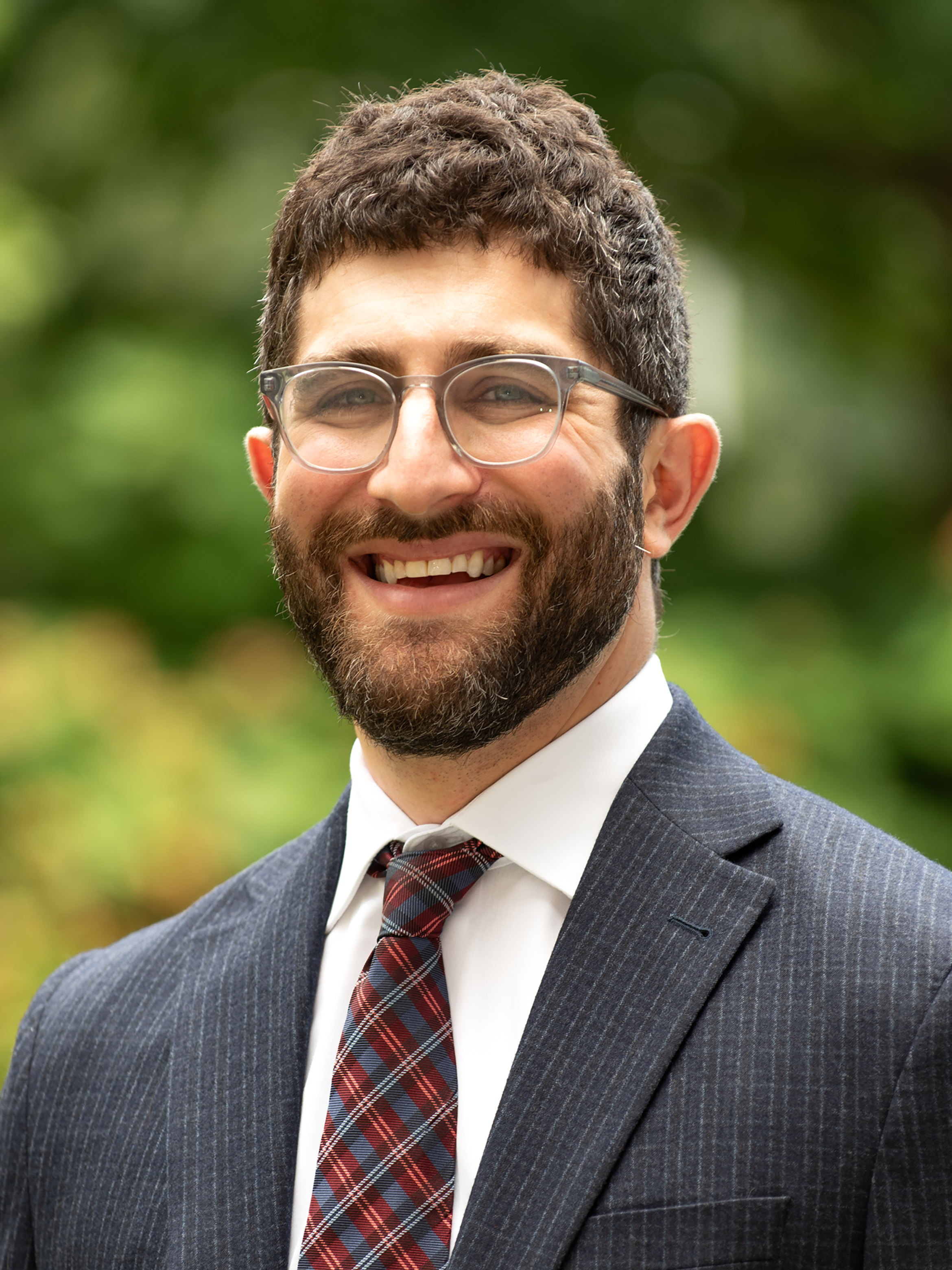
Chad Oldfather is a Professor of Law at Marquette University School of Law, where he teaches Constitutional Law, Criminal Law, Evidence, State Constitutional Law, and seminars on Constitutional Theory, Judging and the Judicial Process, and the Jurisprudence of Sport. He is a recognized scholar in legal theory and judicial decision-making, with a forthcoming book published by Cambridge University Press in 2024.
His educational background includes a degree from Harvard College and a JD from the University of Virginia School of Law, where he served as an Articles Editor of the Virginia Law Review. He clerked for Judge Jane R. Roth of the U.S. Court of Appeals for the Third Circuit and practiced law at Faegre & Benson LLP and the Minnesota State Public Defender's appellate office.
Oldfather's research centers on judging, judicial character, constitutional interpretation, and the moral dimensions of legal reasoning. His work emphasizes wisdom, humility, and ethical integrity in the judiciary, especially in polarized times. He frequently speaks to judges and legal scholars on these topics.
His recent scholarly output spans top law journals such as the Connecticut Law Review, Georgetown Law Journal, Florida Law Review, and Vanderbilt Law Review. The articles reflect a deep engagement with legal philosophy, constitutional theory, appellate advocacy, and the jurisprudence of sport, demonstrating interdisciplinary breadth and normative depth.
He has received significant recognition, including the James D. Ghiardi Award for Teaching Excellence (2016) and the Howard B. Eisenberg Prize (2004). These awards highlight his excellence in both pedagogy and appellate scholarship.
Oldfather has advised students through seminars and likely supervises graduate research, though specific advisees are not listed. He has not disclosed external grant funding, but his publication record and book project suggest sustained scholarly support. His professional trajectory reflects a seamless integration of legal practice, academic scholarship, and teaching excellence.
He is affiliated with no named research lab or team, but his intellectual leadership is evident through his publications, speaking engagements, and influence on legal discourse. His upcoming book promises to further shape conversations on judicial virtue in contemporary legal systems.