معرفی
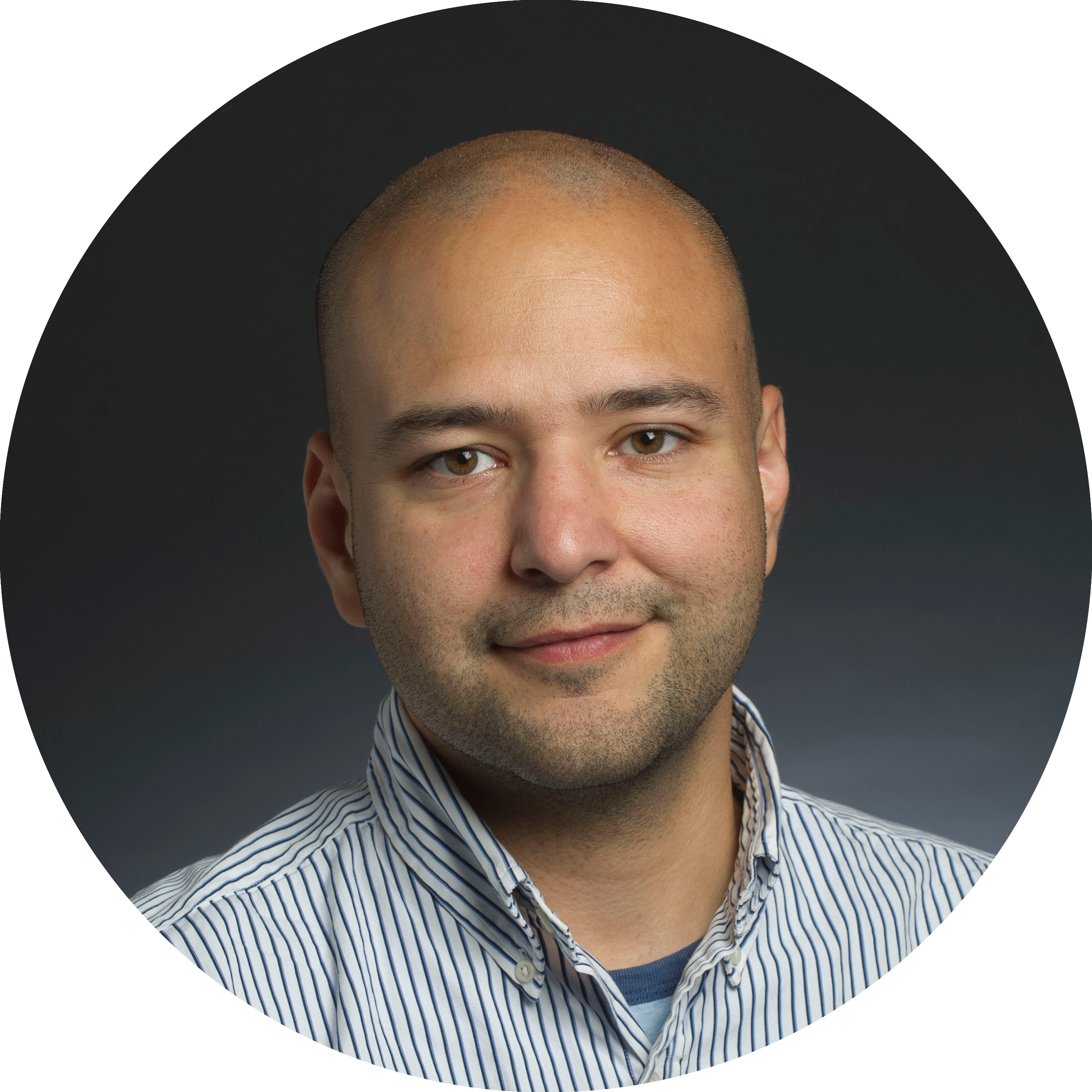
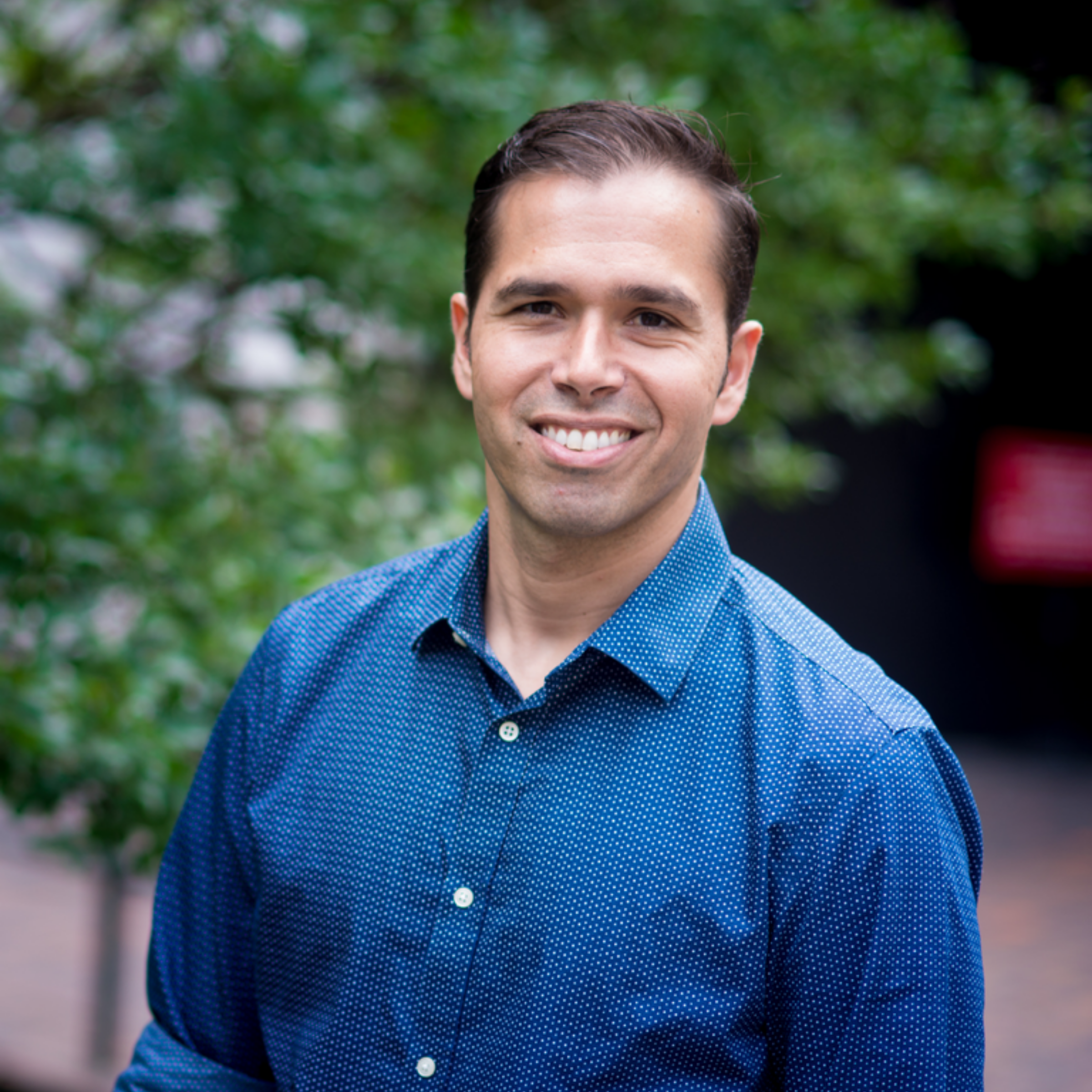
Carlos M. Carvalho is a La Quinta Centennial Professor in Business and Professor of Statistics at The University of Texas at Austin McCombs School of Business. He joined UT Austin in 2010 after serving on the faculty at the University of Chicago Booth School of Business. Carvalho also serves as the Executive Director of the Salem Center for Policy, which supports research, education, and dialogue around the impact of economic policies on markets and the free enterprise system.
Dr. Carvalho's educational background includes:
- Ph.D. in Statistics, Duke University, 2006
His research focuses on Bayesian statistics in complex, high-dimensional problems with applications ranging from finance to genetics. Carvalho's work encompasses several key areas including causal inference, machine learning, policy evaluation, and empirical asset pricing. His research interests specifically include modern statistical tools for causal inference, dimensionality reduction in high-dimensional models, advanced statistics in asset pricing, and time series analysis. His work often bridges theoretical statistical methodology with practical applications in various domains.
Analysis of Carvalho's recent publications reveals a strong focus on Bayesian methods, causal inference, and high-dimensional statistics. His work spans multiple disciplines including statistics, finance, medicine, and social science. A notable trend is the application of Bayesian techniques to complex real-world problems, particularly in causal inference and treatment effect estimation. His research shows increasing interdisciplinary collaboration, with applications in healthcare, finance, and social policy.
Dr. Carvalho holds the prestigious La Quinta Centennial Professorship at UT Austin, recognizing his significant contributions to the field of statistics and business. While specific awards aren't detailed in the provided text, his extensive publication record demonstrates recognition by his peers.
As an academic leader, Carvalho directs the Salem Center for Policy, which facilitates research on economic policies and market impacts. His work appears to involve collaboration with researchers across disciplines, particularly in finance, healthcare, and social sciences, though specific lab structures aren't detailed in the provided text.