معرفی
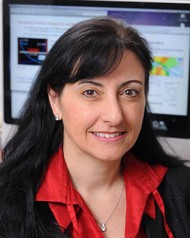
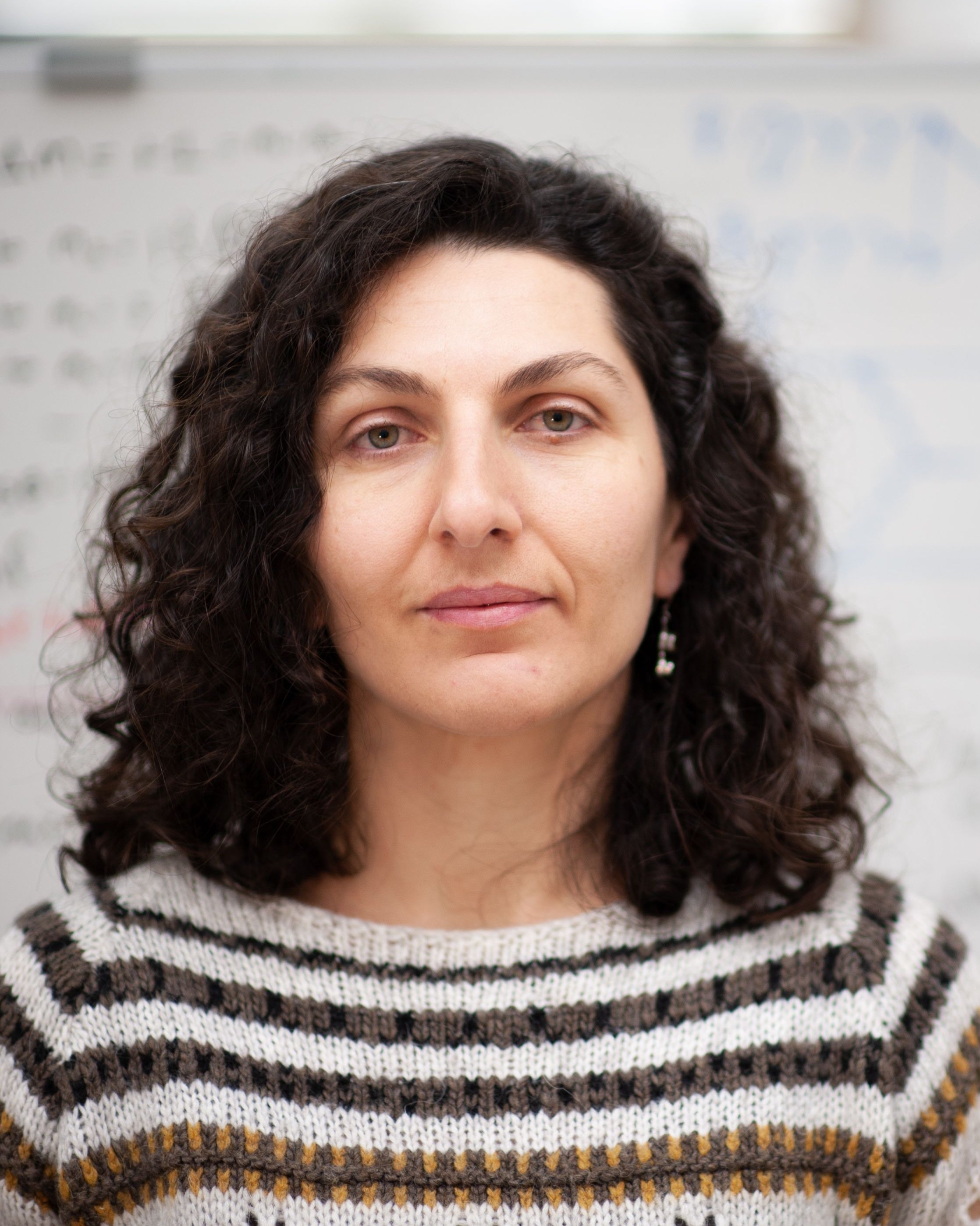
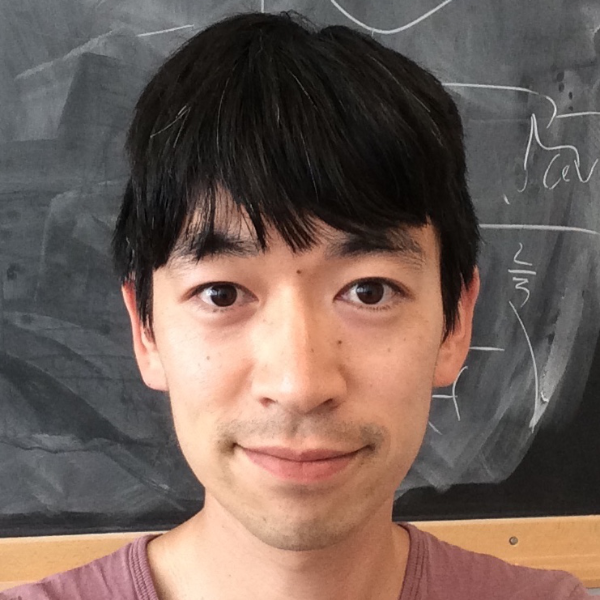
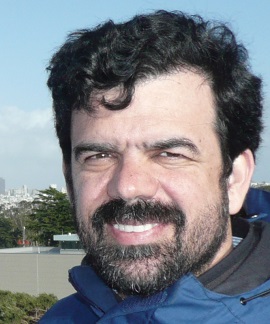
Carlos E. M. Wagner is a Professor of Physics at the University of Chicago, affiliated with the Enrico Fermi Institute and the Kavli Institute for Cosmological Physics. He also leads the High Energy Physics Theory Group at Argonne National Laboratory. His research focuses on theoretical particle physics, particularly Beyond the Standard Model (BSM) scenarios, Higgs physics, collider phenomenology, dark matter, and baryogenesis. Wagner has contributed to studies of the LHC's potential for discovering new physics, including dark matter candidates and deviations in Higgs boson couplings. His work also explores the interplay between particle physics and cosmology, such as the electroweak phase transition and baryogenesis mechanisms.
Notable contributions include advancing methodologies for thermal resummation in multi-field potentials, analyzing radiative decays of dark matter candidates at colliders, and proposing novel approaches to probe triple-gauge couplings in anomalous gauge theories. He has been deeply involved in guiding the development of future colliders, including the muon collider concept. Wagner's research integrates advanced computational tools, such as machine learning for particle physics analysis and Monte Carlo simulations for collider signatures.
His affiliations include leadership roles at Argonne National Laboratory, where he collaborates on high-energy physics theory projects. He has delivered influential talks on topics like the muon g-2 anomaly, future collider strategies, and Higgs coupling measurements. Wagner’s work bridges cutting-edge theoretical frameworks with experimental accessibility, aiming to uncover the fundamental structure of the universe.