معرفی
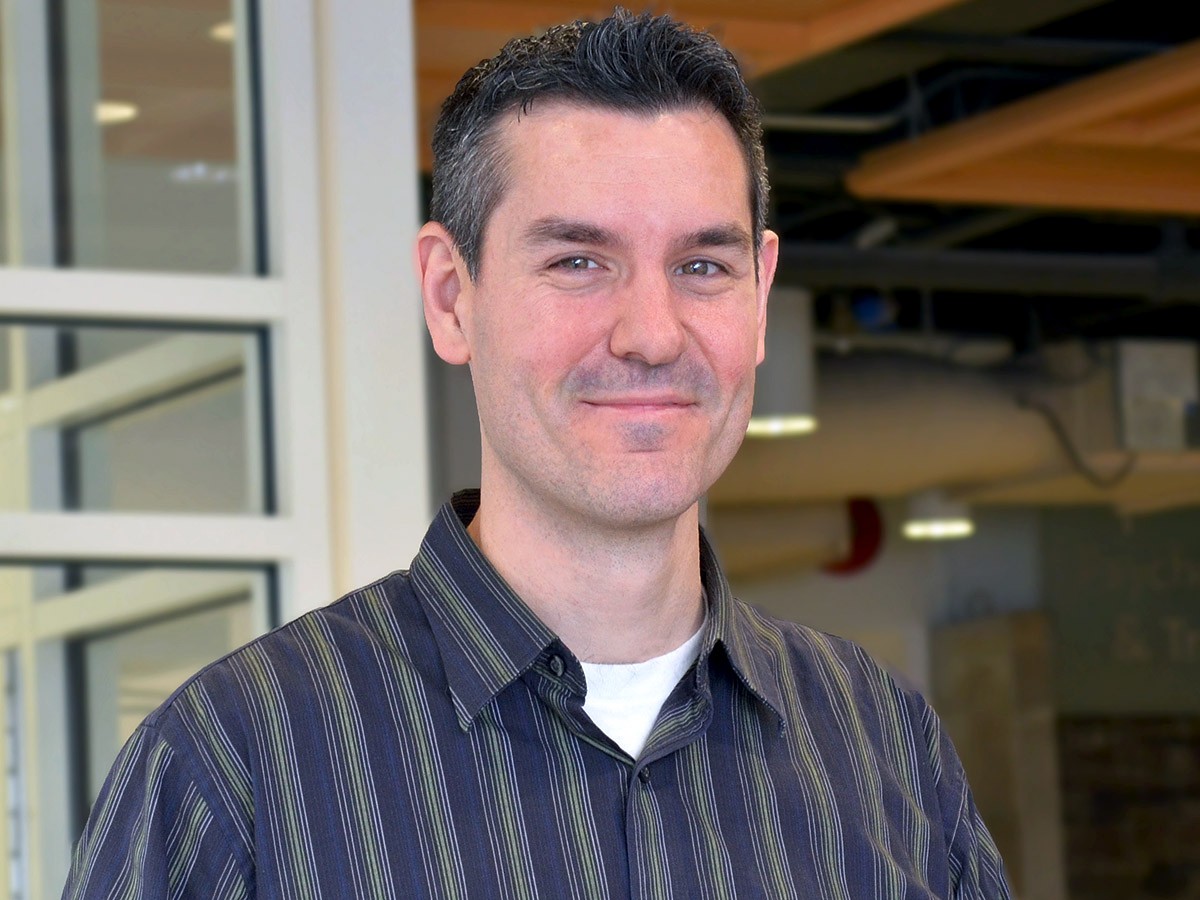
Bryan Fantie is an Associate Professor of Psychology at American University, where he serves as Leader of the Guerrilla Neuropsychology Research Group and founding Director of the Behavioral Neuroscience Doctoral Program (BCaN). His career spans postdoctoral work at the National Institute of Mental Health (NIMH), Montreal Neurological Institute, University of Lethbridge, and collaborations with Johns Hopkins University.
Dr. Fantie's educational background includes:
- Ph.D. in Psychology from Dalhousie University
- M.A. in Psychology from Dalhousie University
- B.A. (Honours) in Psychology from Concordia University
- DEC/DCS in Human Science from Dawson College
His research focuses on human neuropsychology with emphasis on brain function and disorders, particularly closed head injury (concussion), spatial cognition, emotion processing (expression/perception/experience), and neurodevelopmental conditions including schizophrenia, autism, and ADD/ADHD. He also investigates consciousness, neuroethics, experimental philosophy, and theory of mind through an interdisciplinary neuroscience-philosophy lens.
Analysis of his 2006-2015 publications reveals consistent investigation of cognitive deficits in clinical populations using virtual reality spatial navigation for depression studies and emotion perception tasks for schizophrenia research. His work on mental rotation of bodies and digit ratios demonstrates innovative approaches to understanding neural-cognitive relationships across diverse conditions.
As founding Director of BCaN and leader of the Guerrilla Neuropsychology Research Group, Dr. Fantie has shaped graduate neuroscience education while maintaining active collaborations with NIMH and Johns Hopkins. His teaching includes core courses like Psychology as Natural Science and Neurobiological Bases of Behavior.
The Guerrilla Neuropsychology Research Group employs unconventional methodologies to study brain-behavior relationships, with recent work focusing on concussion mechanisms, emotion processing in psychiatric disorders, and theoretical frameworks bridging neuroscience and philosophy.