معرفی
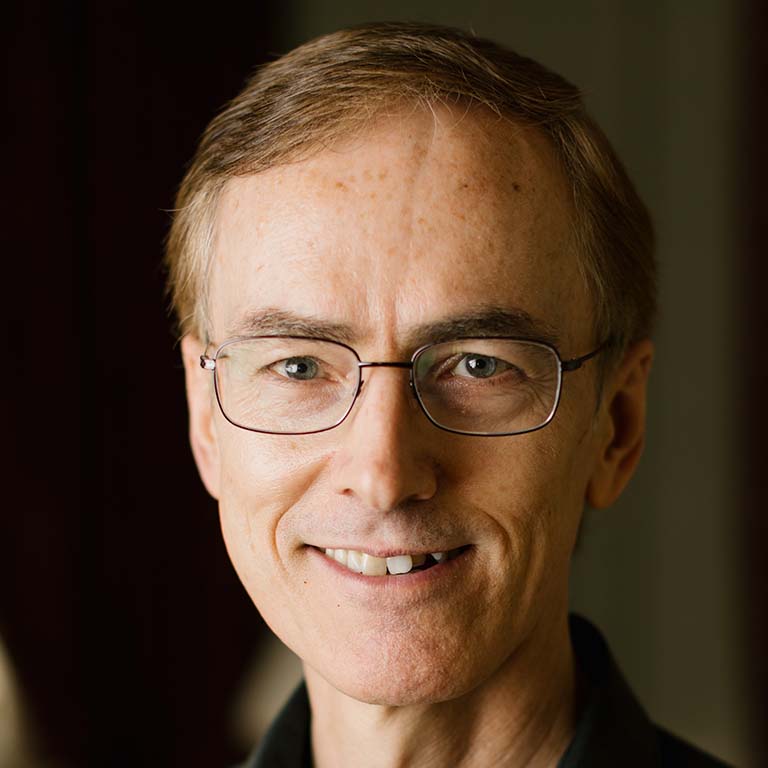
Brian McLaughlin is a Professor of Philosophy & Cognitive Science at the Department of Philosophy, School of Arts and Sciences, Rutgers, The State University of New Jersey. He has been teaching at Rutgers since 1980, with the exception of several visiting positions. McLaughlin is a member of the Executive Committee of the Rutgers Cognitive Science Center and has made significant contributions to multiple areas of philosophy.
His primary research interests include:
- Philosophy of Mind, particularly the mind-body problem
- Philosophy of Psychology, especially computational psychology
- Metaphysics, with focus on supervenience, emergence, and the nature of colors
- Philosophical Logic, including extensive work on vagueness in collaboration with Vann McGee
McLaughlin's scholarly work demonstrates a sustained engagement with fundamental questions at the intersection of philosophy and cognitive science. His recent publications span topics from color physicalism and consciousness to semantic externalism and mental causation. A significant portion of his work addresses the neural correlates of consciousness, the nature of color perception, and challenges to externalist theories of mental content. His collaborative work with Vann McGee on vagueness represents an important contribution to philosophical logic, while his earlier work on connectionism (including a notable 1990 collaboration with Jerry Fodor) helped shape contemporary debates in cognitive science.
Notable contributions include:
- 'Have Noë and Thompson Cast Doubt on the Neural Correlates of Consciousness Program?' (2004)
- 'Color, Consciousness, and Color Consciousness' (2003)
- 'A Naturalist-Phenomenal Realist Response To Block's Harder Problem' (2003)
- 'The Rise and Fall of British Emergentism' (1992)
McLaughlin has advised numerous graduate students in philosophy and cognitive science, contributing to the development of the next generation of scholars. His work bridges traditional philosophical concerns with contemporary issues in cognitive science, making significant contributions to interdisciplinary dialogue. Through his membership on the Executive Committee of the Rutgers Cognitive Science Center, he continues to foster research connecting philosophy with psychology, neuroscience, and computer science.