معرفی
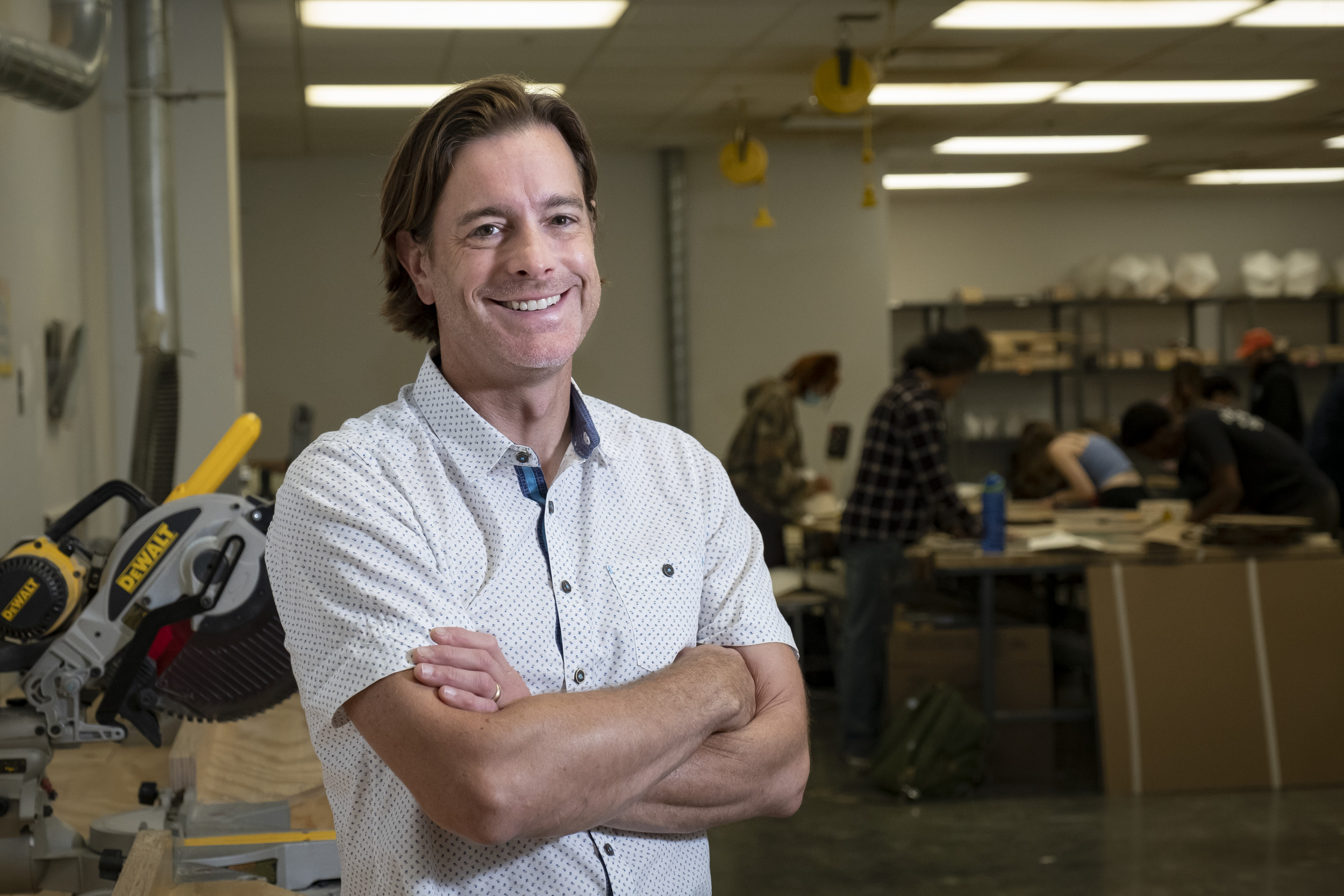
Brian Curtis is an Associate Professor of Painting at the University of Miami's College of Arts and Sciences, where he serves as Coordinator of Undergraduate Drawing and both Undergraduate Painting and Graduate Painting programs. With a career spanning over three decades at the University, Curtis has established himself as a dedicated educator and practicing artist specializing in representational painting and perceptual drawing.
His research interests focus on the intersection of traditional art practices with contemporary challenges, particularly exploring perceptual drawing, sacred geometry, and the relationship between art and technology. Curtis has developed a critical perspective on postmodern approaches to art education, advocating for the continued importance of perceptual skills in artistic development while engaging thoughtfully with digital technologies.
Curtis's scholarly work reveals consistent themes examining the cognitive and perceptual foundations of artistic practice. His publications, particularly the widely adopted Drawing from Observation textbook (now in its second edition), demonstrate his commitment to foundational art education. His more recent work delves into neuroscience perspectives on artistic perception, the impact of digital technologies on creative processes, and philosophical examinations of art's purpose in contemporary society.
- Nominated for Foundations in Art Theory and Education (F.A.T.E.) Master Educator Award (2015, 2011)
- Dean's Research Leave (2012)
- Dean's Excellence in Teaching Award (1999)
- Multiple Merit Awards from national exhibitions (1986-2012)
- Max Orovitz Summer Research Grants (1987, 1989, 1998)
As an educator, Curtis has secured numerous grants supporting technological integration in art education, including funding for computer labs and digital equipment. His extensive exhibition record, with solo shows from 1979 to 2017, demonstrates his active engagement with the artistic community. Curtis has also curated exhibitions and organized professional conferences, contributing significantly to the field beyond his teaching and creative work.