معرفی
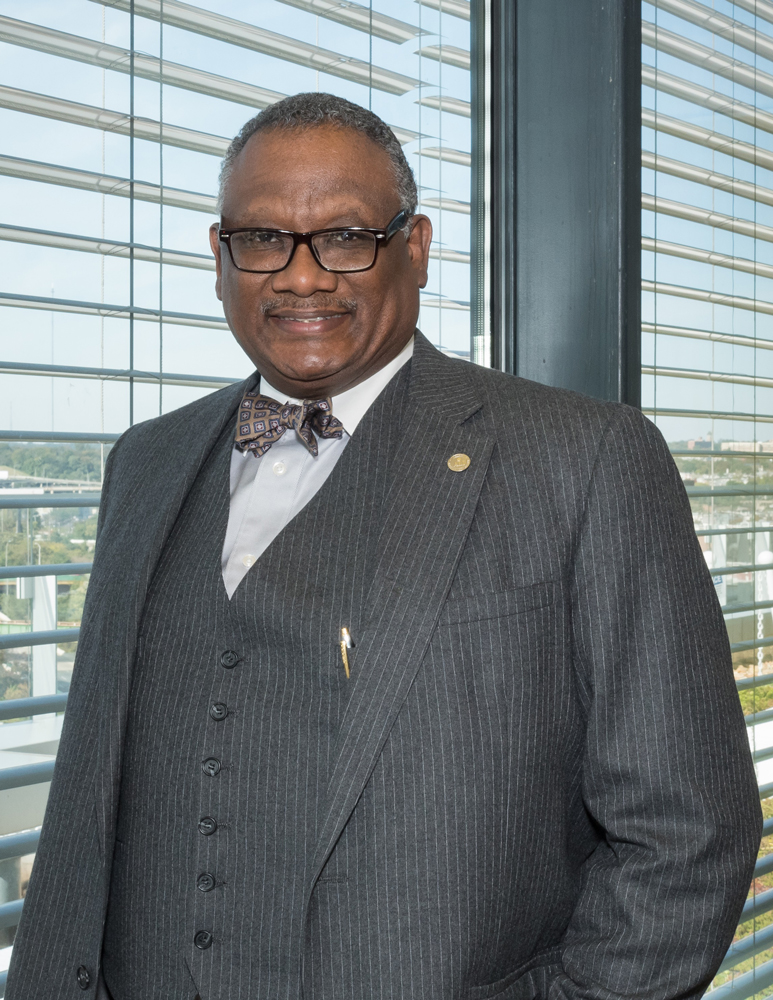
Brett Sweitzer is an Adjunct Professor in Law at the University of Pennsylvania Carey Law School and serves as Chief of Appeals in the Federal Community Defender Office for the Eastern District of Pennsylvania in Philadelphia. He has been with the office since 2003, supervising appellate litigation in numerous federal criminal cases and representing detainees at Guantanamo Bay.
His educational background includes a BA, magna cum laude, from Colgate University (1993), where he received the M. Holmes Hartshorne Award and was elected to Phi Beta Kappa, and a JD, cum laude, from the University of Pennsylvania Carey Law School (1998), where he was a Senior Editor of the University of Pennsylvania Law Review and received the Fred G. Leebron Memorial Prize.
Sweitzer specializes in appellate criminal law, constitutional rights, and federal procedural justice. His work emphasizes the protection of defendants' rights, including the prompt presentment rule reaffirmed in Corley v. United States. He regularly contributes to legal education through presentations on appellate practice and legal writing at institutions such as the Federal Judicial Center and the Pennsylvania Bar Institute.
He holds leadership roles in national legal organizations, including serving as national co-chair of the Defender Supreme Court Resource and Assistance Panel since 2011, advising federal defenders in Supreme Court litigation. He is also a member of the Advisory Committee for Third Circuit Model Criminal Jury Instructions, the Executive Council of the Pennsylvania Bar Association’s Federal Practice Committee, and the Amicus Curiae Committee of the National Association of Federal Defenders.
- Clifford Scott Green Bill of Rights Award (2008)
Sweitzer has not published scientific articles, but his legal advocacy has had a national impact, particularly in Supreme Court and appellate jurisprudence. He mentors and supports federal defenders through training and resource development, contributing significantly to public defense infrastructure. While no formal advisees are listed, his leadership role involves guiding attorneys in high-stakes litigation.
He is actively involved in legal reform and professional development, working within established legal frameworks to enhance the quality of criminal defense representation at the federal level.