معرفی
Borislav Naydenov is a Research Fellow at Trinity College Dublin, affiliated with the School of Chemistry and the Centre for Research on Adaptive Nanostructures and Nanodevices (CRANN). His work bridges physics and chemistry at the nanoscale, focusing on surface phenomena and quantum electronic structures.
His research interests lie at the intersection of nanotechnology, surface science, and quantum device engineering. He specializes in scanning tunneling microscopy (STM) and scanning tunneling spectroscopy (STS), using these tools to investigate molecular self-assembly, dangling bond nanostructures, and single-atom quantum interference effects. His studies often explore how atomic-scale configurations influence electronic behavior, contributing to the development of future nanoelectronic devices.
The analysis of his 15 most recent publications reveals a consistent focus on atomic-scale surface characterization and electronic structure manipulation. His work spans from fundamental studies of molecular adsorption and adatom interactions to applied research in single-molecule contact formation and quantum transport. Key themes include the engineering of nanowires from surface dangling bonds, molecular network self-assembly, and coherent quantum interference at the single-atom level. These contributions are primarily published in high-impact journals such as Physical Review Letters, Nano Letters, and Physical Review B.
Scientific awards:
- No scientific awards listed in the provided text.
Borislav Naydenov has been actively involved in significant research projects, particularly in collaboration with Prof. John J. Boland, leading to numerous publications in top-tier journals. His work has contributed to advancing the understanding of single-molecule electronics and atomic-scale device fabrication. While no formal students or grant details are mentioned, his long-standing postdoctoral and research fellow roles suggest substantial mentorship and project leadership within the CRANN research environment.
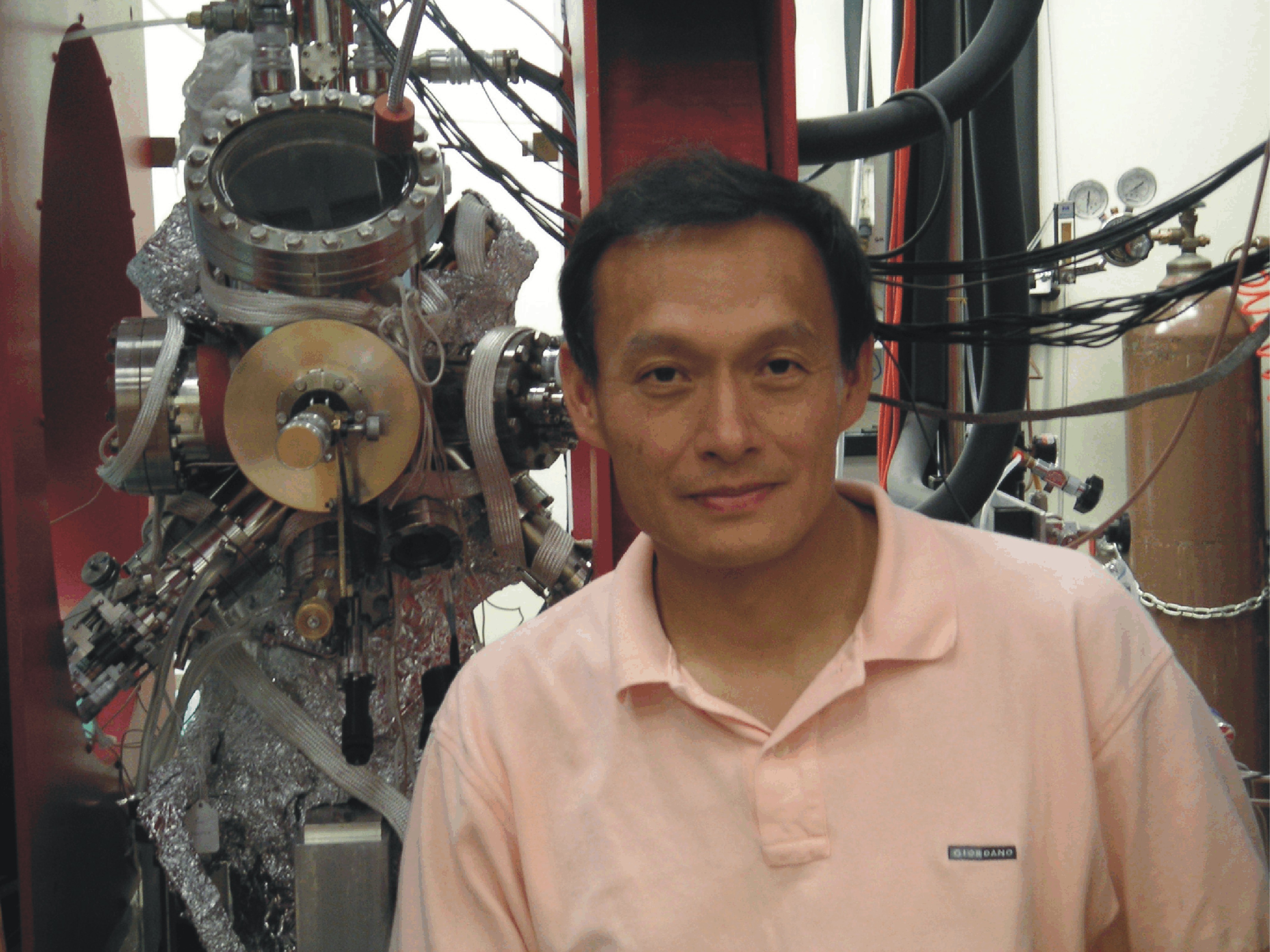
He is associated with advanced research infrastructure at CRANN, a leading center for nanoscience in Ireland. His research leverages state-of-the-art ultra-high vacuum STM systems and spectroscopic techniques, enabling atomic-level manipulation and measurement. This environment supports interdisciplinary work combining physics, chemistry, and materials science to push the boundaries of nanoscale science.