معرفی
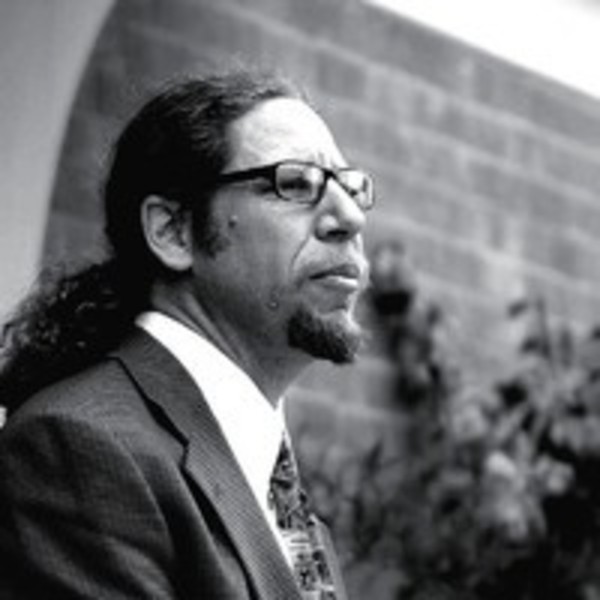
Bongrae Seok is Associate Professor of Philosophy at Alvernia University, affiliated with the College of Humanities, Education and Social Sciences. He also serves as an Internal Affiliate Faculty for the Leadership Ph.D. Program and holds administrative roles as Associate Director at the O’Pake Center for Ethics, Leadership, and Public Service and Vice President of the Association of Chinese Philosophers in America (ACPA).
His educational background includes a BA from Seoul National University and an MA and PhD in Philosophy and Cognitive Science from the University of Arizona, where he also worked as a postdoctoral research fellow in the Neural Systems, Memory, and Aging program.
Seok's research lies at the intersection of philosophy and cognitive science. His primary interests include philosophy of mind, moral psychology, neuroaesthetics, and Asian comparative philosophy, with a focus on Confucian ethics, embodied emotion, and moral intuition. He explores how cultural and cognitive frameworks shape moral reasoning, particularly through concepts like shame and mindfulness meditation. His interdisciplinary work brings classical philosophical traditions into dialogue with contemporary neuroscience and psychology.
While no individual publications are listed in the provided text, his recent scholarly output centers on embodied moral cognition, taxonomic reasoning, and the neuroaesthetic experience of music, indicating a sustained engagement with empirical and cross-cultural methodologies in philosophical inquiry.
- Embodied Moral Psychology and Confucian Philosophy (Lexington, 2013)
- Moral Psychology of Confucian Shame: Shame of Shamelessness (Rowman Littlefield, 2016)
He has published books and articles on cognitive modularity, cultural psychology, and Confucian moral psychology. His current work continues to develop interdisciplinary models of moral cognition.
Seok is actively involved in academic leadership and public engagement, delivering lectures at local museums on classical art and music. He contributes to the philosophical community through service in professional organizations and ethics-centered institutes.