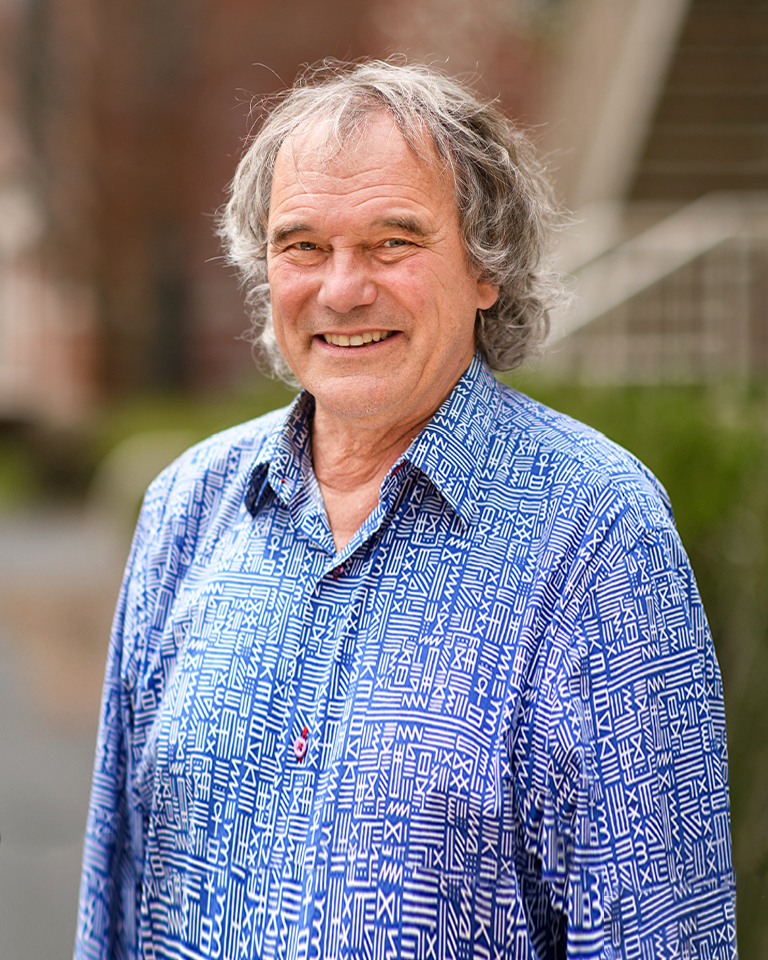
معرفی
Benjamin Rice is an Associate Research Scholar at Princeton University, affiliated with the High Meadows Environmental Institute (HMEI)'s Climate Change and Infectious Disease Initiative. His work focuses on the ecology and evolution of infectious diseases, particularly vector-borne diseases like malaria and their interactions with climate change in high-burden regions such as Madagascar. He investigates how environmental changes influence disease transmission dynamics and public health outcomes. Rice’s research integrates fieldwork, epidemiological modeling, and molecular techniques to address global health challenges.
Key research interests include:
- Ecological drivers of malaria transmission in tropical regions
- Impact of climate variability on disease vectors and human communities
- Emerging infectious diseases and pandemic preparedness
- Application of geospatial data to public health interventions
Rice's recent publications highlight interdisciplinary approaches to understanding disease systems, including studies on mosquito ecology, SARS-CoV-2 transmission modeling, and micronutrient deficiencies in rural Madagascar. His work emphasizes the importance of environmental and climatic factors in shaping global disease patterns.
Research activities are anchored in Madagascar, where he collaborates on initiatives like the Madagascar Health and Environmental Research (MAHERY) study, examining socio-ecological determinants of health and disease. His projects often involve cross-disciplinary teams addressing complex health-environmental interfaces.