معرفی
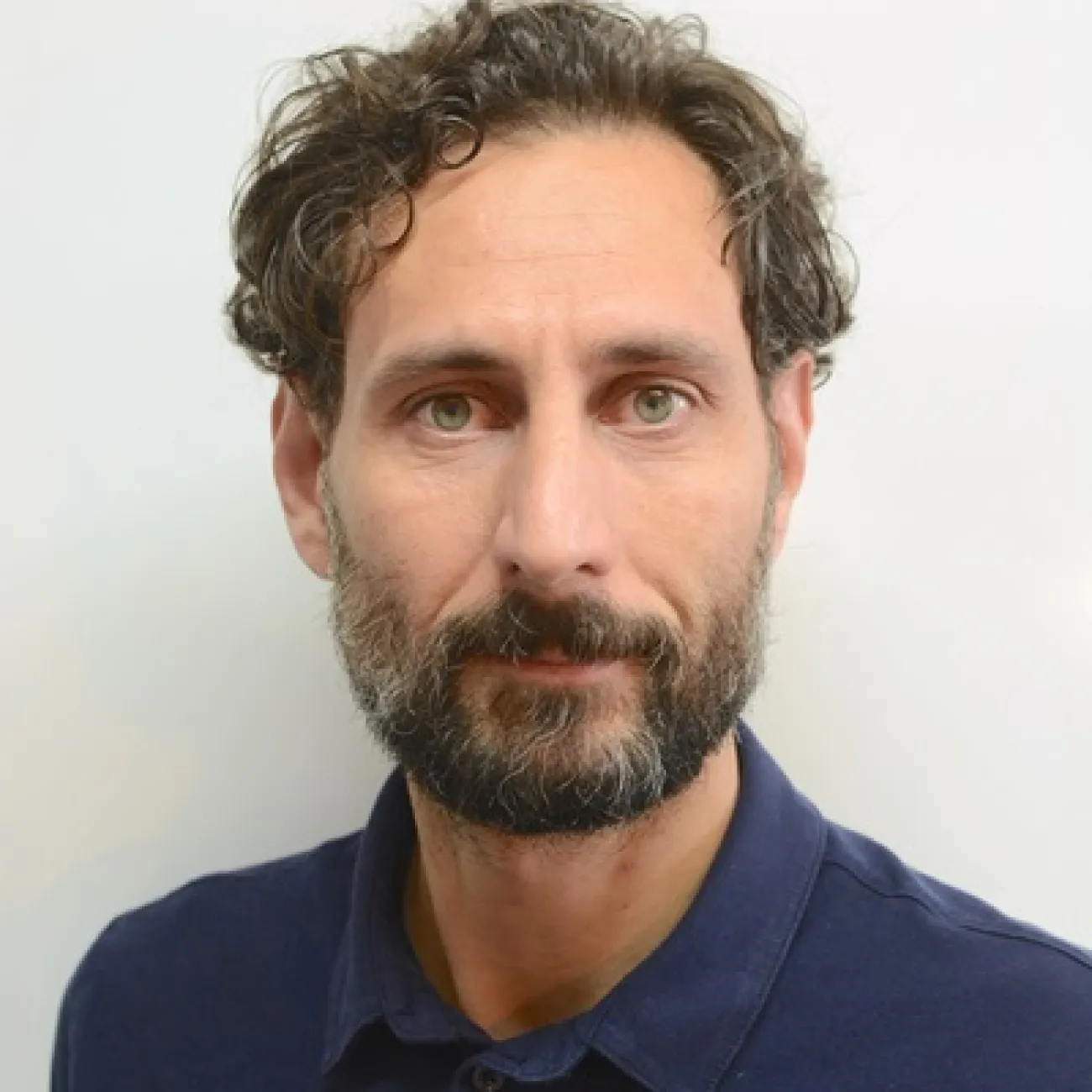
Benjamin Pitcher is a Co-funded Research Fellow in Behavioural Biology and Adjunct Fellow at the School of Natural Sciences, Macquarie University. His work focuses on marine biology, conservation biology, and animal behavior, with expertise in wildlife research and monitoring. He leads and collaborates on projects addressing endangered species conservation, such as the Australian sea lion (Neophoca cinerea) and the Plains-wanderer. His research employs innovative methods like camera trap networks, decision analysis frameworks, and behavioral ethograms to inform conservation strategies. Notable contributions include studies on predator-prey dynamics, interspecific communication, and the impact of human activity on wildlife behavior. Pitcher has published extensively in high-impact journals like Biological Reviews and Science, and his work is widely cited (h-index 20, 1,136 citations). He actively engages in interdisciplinary projects, combining ecological, technological, and social science approaches to address global conservation challenges.
Education and Collaborations: While formal education details are not explicitly stated, his research portfolio indicates advanced training in behavioral ecology and conservation science. Collaborations span institutions globally, including the University of New South Wales, Charles Darwin University, and international wildlife organizations.
Research Interests: Conservation biology, marine mammal behavior, predator-prey interactions, biodiversity monitoring, and the application of technology in wildlife research. Current projects include using mosquito DNA to detect native mammals and studying marine predator foraging responses to keystone molecules.
Grants and Projects: Leads four major projects, including 'Sensing the seascape: Marine predator foraging and response to molecules of keystone significance' (2015–ongoing) and 'Using mosquito DNA for detecting native mammals in semi-arid refugia' (2023–2026). These projects emphasize applied conservation outcomes and ecological modeling.
Labs and Teams: Collaborates with interdisciplinary teams focused on wildlife ecology, conservation genetics, and behavioral analysis. His work often integrates field studies with lab-based molecular analyses and computational modeling.