
معرفی
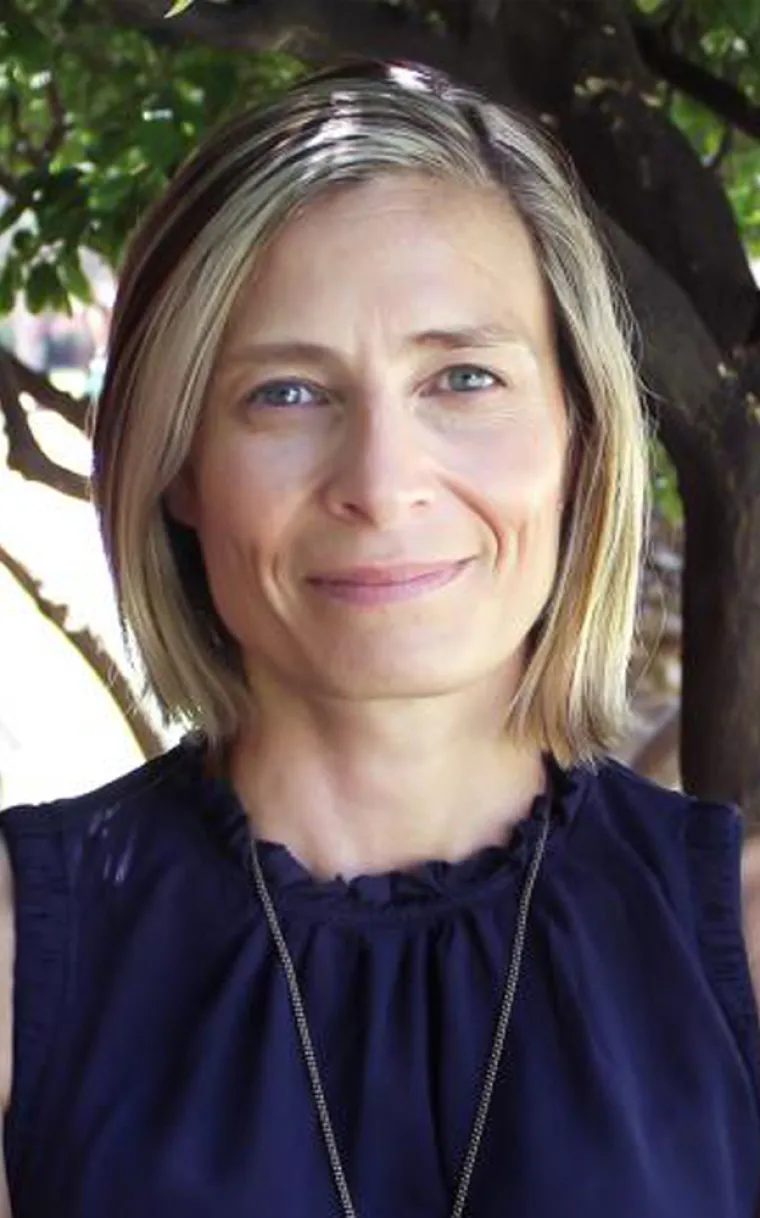
Barbara Carrapa is a Professor at the University of Arizona specializing in sedimentary geology and low-temperature thermochronology. Her research focuses on mountain-building processes, tectonic-climate interactions, and the evolution of orogenic systems in regions like the Andes, Pamir, and Himalaya. She employs multidisciplinary methods combining thermochronology, geochronology, and sedimentary basin analysis to investigate erosion rates, basin formation mechanisms, and paleoenvironmental conditions. Carrapa teaches courses in Historical Geology, Sedimentology, Basin Analysis, and Field Methods, actively involving students in collaborative research projects. Her work integrates field data with numerical modeling to address questions about continental deformation and the interplay between surface processes and deep Earth dynamics.
Current research priorities include the mid-Pleistocene erosion shifts in the Himalaya-Karakoram, the role of climate in shaping Andean orogenic wedges, and the application of monazite fission-track thermochronology in low-magnitude cooling studies. She leads the Trans ANdean Great Orogeny (TANGO) seismic project examining Central Andean crustal structure through advanced seismological techniques. Collaborations span global tectonic systems, with fieldwork in North America, South America, and Asia.
Her teaching emphasizes hands-on field training and cutting-edge analytical methods, preparing students for careers in academic and applied geosciences. Recent studies highlight the influence of Miocene climatic shifts on Andean topography and the interplay between foreland basin subsidence and mantle dynamics in the Central Andes.


