معرفی
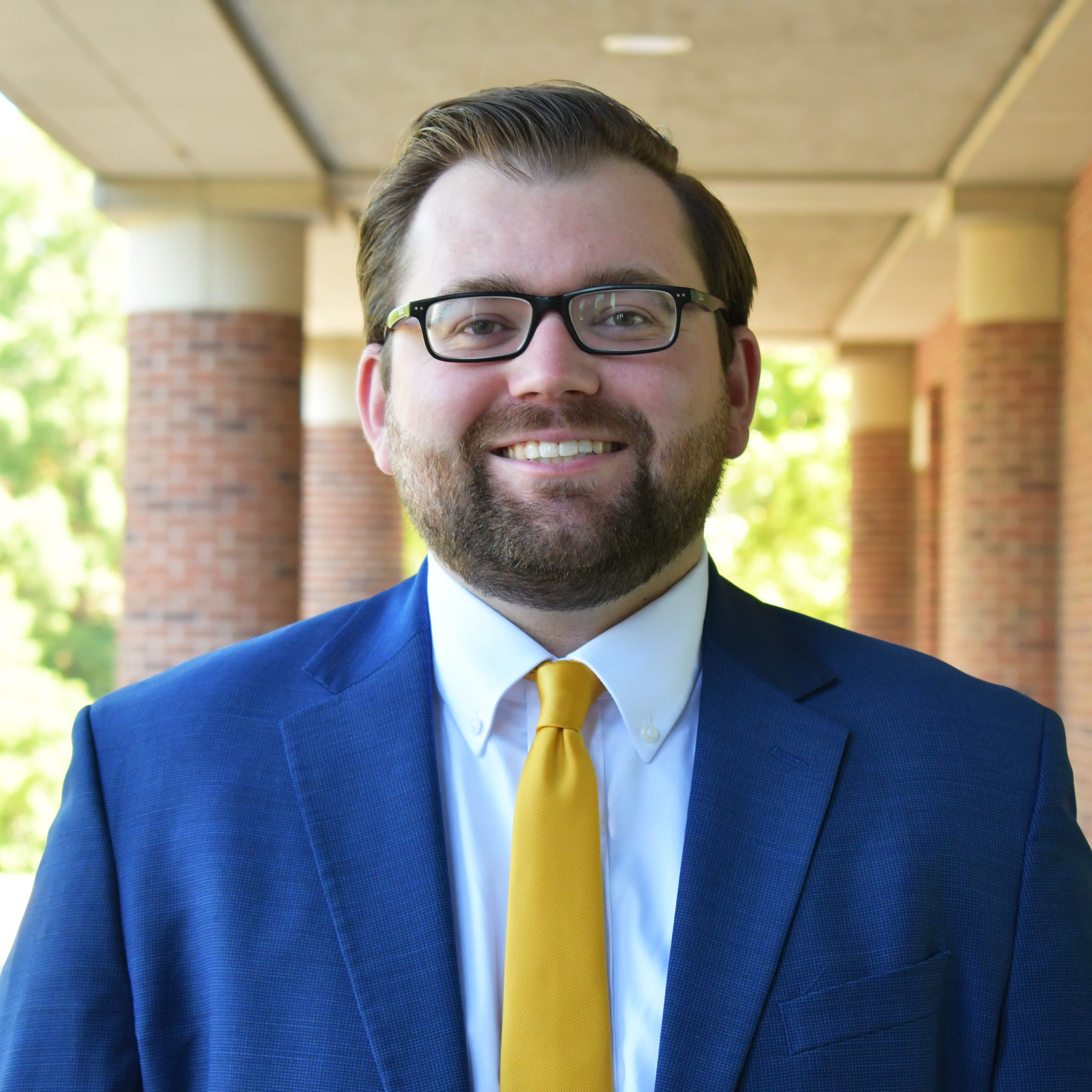
Bailey D. Barnes serves as an Associate Professor of Law at the University of Missouri School of Law, where he teaches constitutional law, civil procedure, and federal courts. His scholarly work focuses on civil rights litigation against government officials with particular emphasis on qualified and absolute immunity doctrines, and constitutional tort litigation in rural contexts.
Professor Barnes holds a JD summa cum laude and Order of the Coif from the University of Tennessee College of Law, an MA in United States History from Middle Tennessee State University, and a BS in political science from Tennessee Tech University. Prior to academia, he clerked for Judge Jay S. Bybee of the Ninth Circuit Court of Appeals and Judge J. Daniel Breen of the Western District of Tennessee, and practiced civil litigation in rural Appalachia.
His research examines critical intersections of constitutional law and civil rights enforcement, with recent scholarship analyzing qualified immunity through empirical studies and proposing doctrinal reforms. Barnes investigates how constitutional protections function in rural jurisdictions, where legal resources are often scarce, and explores historical dimensions of constitutional interpretation through works on Watergate and Cold War diplomacy.
Professor Barnes' publications reveal consistent focus on strengthening civil rights enforcement mechanisms while addressing systemic challenges in constitutional tort litigation. His work spans theoretical analyses of judicial immunity doctrines, empirical examinations of qualified immunity applications, and historical investigations of constitutional crises, demonstrating interdisciplinary approach to constitutional law scholarship.
As an active member of the legal academic community, Barnes engages with contemporary debates on constitutional enforcement while maintaining commitment to practical legal education. His scholarship bridges doctrinal analysis with real-world implications for civil rights litigants, particularly in underserved rural communities.