معرفی
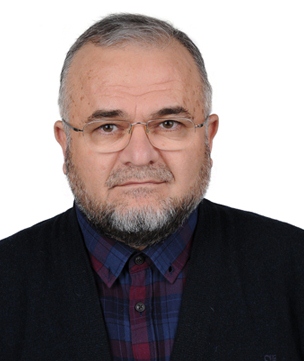
Ayhan Erdoğan serves as Assistant Professor at Gaziantep University's Faculty of Theology, Department of Islamic History and Arts since 2011, concurrently holding administrative roles as Department Head (2012-present), former Vice Dean (2012-2015), and Foreign Languages Unit Coordinator. His academic journey includes prior appointments as Lecturer at Necmettin Erbakan University (1999-2011), Teaching Staff at Selcuk University (1994-2011), and brief positions at Harran University (1991-1994) and Osh State University in Kyrgyzstan (2008-2009).
His educational background features a Doctorate from Selcuk University (1994-1999) in Arabic Language and Literature, a Master's degree from Gazi University (1990-1993) in Arabic Language Education, and a Licence from Ummu'l-Qura University in Mecca (1984-1989). These qualifications established his foundation in classical Islamic scholarship and linguistic studies.
Dr. Erdoğan's research concentrates on the intersection of Arabic and Turkish literary traditions, with emphasis on Islamic historical narratives, rhetorical structures in classical texts, and Ottoman Turkish linguistic evolution. His work bridges pre-Islamic Arabic poetry forms with Turkish qasida development, examines Fuzuli's Arabic diwan, and analyzes regional Arabic dialects through the lens of Islamic literary history. This interdisciplinary approach connects theological studies with linguistic anthropology.
His 2011 publications reveal a consistent focus on comparative literary analysis between Arabic and Turkish traditions, particularly examining poetic structures across historical periods. Both articles demonstrate methodological rigor in textual criticism while exploring how rhetorical devices like kasr (ellipsis) function across cultural contexts, reflecting his specialization in narrative and expressive rhetoric.
Dr. Erdoğan has supervised 17 graduate theses including doctoral research on Abu Ali al-Farisi's linguistic criticism and master's studies covering Arabic regional dialects, Ottoman calligraphy, and storytelling traditions. His leadership of a decade-long TÜBİTAK project translating Ibn Sa'd's biographical encyclopedia demonstrates sustained commitment to primary source scholarship in Islamic history.