معرفی
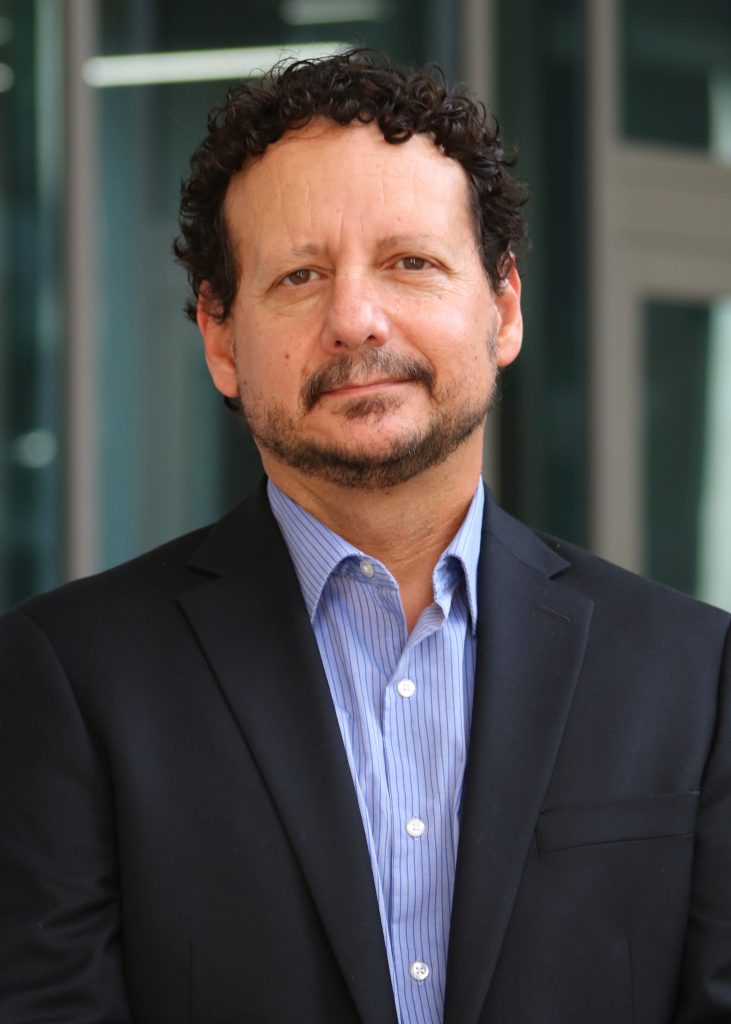
Arthur Lothstein is Professor of Philosophy and Director of the Institute for Peace and Social Justice at Long Island University, within the College of Liberal Arts and Sciences. His work bridges philosophy, education, literature, and social transformation, with a focus on American philosophical traditions.
Education:
- B.A., Queens College, CUNY
- M.A., Ph.D., New York University
Lothstein’s research centers on Classical and Contemporary American Philosophy, particularly the ideas of William James, John Dewey, and Ralph Waldo Emerson. His specialties include Radical Empiricism, Aesthetics, Philosophy of Literature, Environmental Philosophy, and Philosophy of Religion. His interdisciplinary and multicultural approach emphasizes the transformative power of ideals in education and life. He sees teaching as a moral and philosophical imperative aimed at transforming reality.
His publications explore themes such as Emersonian pedagogy, the intersection of art and philosophy (e.g., James and Cézanne), and Dewey’s social and educational theories. The body of work shows a consistent engagement with experiential philosophy, relational ethics, and the spiritual dimensions of learning and being.
Scientific Awards:
- Member, Phi Beta Kappa
- Recipient, C.W. Post Poetry Prize (2000 and 1977)
- Recipient, David Newton Award for Teaching Excellence (1990)
- Recipient, New York University Outstanding Adjunct Teacher Award (1993)
- Thesis listed as one of 'Ten Essential Works on John Dewey' in 'Classical American Philosophy' (1987)
- Recipient, Dewey Prize (1977)
Lothstein has advised numerous students and contributed to academic discourse through editorial and authorial work. He has been a co-editor of significant volumes and published in major philosophical forums. His grants and funding are not explicitly mentioned, but his sustained scholarly output indicates deep institutional and intellectual support. He is actively involved in professional societies such as the Society for the Advancement of American Philosophy and the William James Society.
He is associated with the Institute for Peace and Social Justice, which likely serves as a hub for interdisciplinary dialogue on ethics, education, and social change. While not described in detail, this institute reflects his commitment to applying philosophical ideals to real-world issues.