معرفی
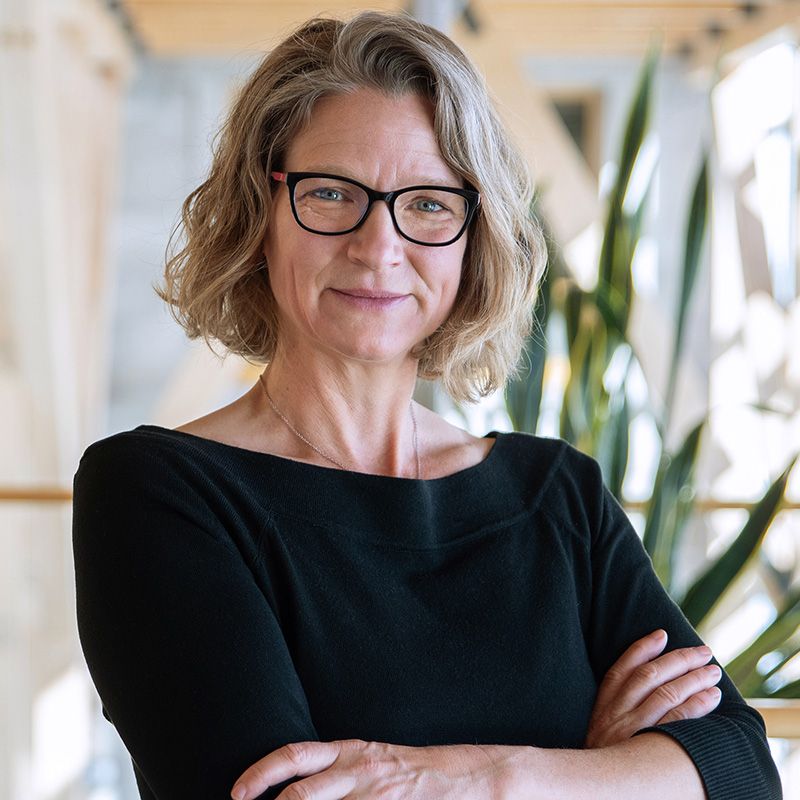
Aphrodite Salas is an Associate Professor in the Department of Journalism at Concordia University, Montreal, specializing in constructive and collaborative journalism with Indigenous communities. She leads public policy and stakeholder engagement for the $123-million Volt-age electrification research project and maintains research partnerships with Aristotle University of Thessaloniki.
Her research centers on decolonizing journalism education through direct response to the Truth and Reconciliation Commission's Call to Action 86, documenting Indigenous climate leadership in communities like Inukjuak and Gull Bay First Nation. Using mobile journalism and multimedia methodologies, she produces collaborative narratives that bridge reconciliation efforts with environmental action while critically examining information disorder and non-Indigenous roles in media reconciliation processes.
Recent publications and research-creation projects, including COP27/COP15-screened "Arctic Shift to Clean Energy," demonstrate consistent focus on Indigenous-led climate solutions through student-co-created multimedia storytelling. These works integrate mobile journalism techniques to model inclusive, solutions-oriented frameworks that combat extractive reporting practices.
Salas has received significant professional recognition:
- Six RTDNA awards for excellence in news reporting
She actively mentors students as co-creators in field research and publications, supported by major grants including SSHRC Partnership Grants, Canada First Excellence Fund (Volt-Age), and New Frontiers in Research Fund projects. Her interdisciplinary collaborations span physics, history, and Indigenous studies to address neurological impacts of long COVID and create national literary archives.
Salas leads teams connecting Volt-age's policy stakeholders with community-based projects in Nunavik and Ontario, fostering student-community partnerships that center Indigenous voices in climate solutions through documentary, digital mapping, and mobile journalism while advancing reconciliation through media practice.