معرفی
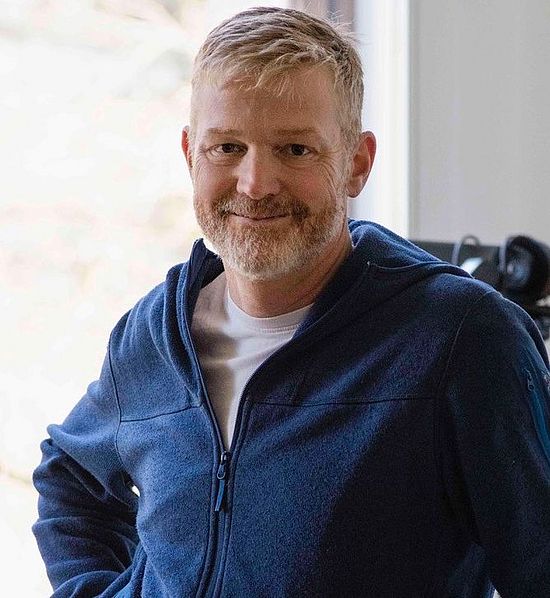
Professor Ansgar Kahmen is a leading researcher in Physiological Plant Ecology at the University of Basel's Department of Environmental Sciences, where he has served as a full professor since 2013. His work focuses on the critical interface between plants and their environment, with particular emphasis on understanding how plants function ecologically and how they contribute to ecosystem services essential for human societies.
Dr. Kahmen's research interests span plant-environment interactions, stable isotope biogeochemistry, drought response mechanisms in plants, water uptake dynamics, and forest ecosystem functioning. His laboratory investigates fundamental physiological processes that determine plant responses to environmental stressors, particularly drought conditions that are becoming increasingly prevalent due to climate change. His approach combines field observations, experimental manipulations, and advanced isotopic techniques to unravel complex plant-water relationships.
Analysis of his recent publications reveals a strong focus on tree hydraulics, drought vulnerability, and water source partitioning in temperate forests. His research has significantly advanced our understanding of how different tree species respond to extreme drought events, with particular attention to water uptake depths, hydraulic failure mechanisms, and recovery processes following drought stress. His work frequently appears in high-impact journals across ecology, plant physiology, and environmental science.
- Consolidator Grant of the European Research Council HYDROCARB (ERC), 2016
- Dr.-Karleugen-Habfast-Award of the German Stable Isotope Association (GASIR), 2012
- Starting Grant of the European Research Council COSIWAX (ERC), 2011
- Appointed Honorary Fellow at the University of Melbourne, Australia, 2007
- Strasburger Award of the German Botanical Society, 2007
Professor Kahmen maintains active collaborations with researchers across Europe and North America. His laboratory contributes significantly to understanding forest responses to climate change, with implications for forest management and conservation strategies. He has supervised numerous PhD students and postdoctoral researchers, though specific names aren't provided in the available documentation. His research has received substantial funding from prestigious sources including the European Research Council, reflecting the significance and innovation of his scientific contributions.