معرفی
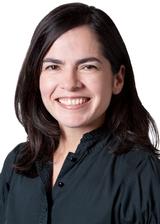
Annette Gonzalez, PhD, is a Research Assistant Professor in the Department of Pathology at the Feinberg School of Medicine, Northwestern University, specializing in molecular mechanisms of inflammation and leukocyte transendothelial migration (TEM) with translational applications for anti-inflammatory therapies.
Education:
- PhD, University of California, San Diego (1997)
- Postdoctoral Fellow, Northwestern University Feinberg School of Medicine, Cell & Molecular Biology (2002)
Her research program centers on identifying KLC1c protein binding partners in TEM through proteomics and computational analysis using high-performance computing, while investigating CD99-dependent signaling pathways involving ezrin, soluble adenylyl cyclase, and PKA. Laboratory discoveries include a novel anti-inflammatory peptide derived from KLC1c splice variant research, currently evaluated in multiple in vivo inflammation models. Her work bridges vascular biology, immunology, and cancer research through advanced techniques like proximity labeling, co-immunoprecipitation, and AlphaFold structural predictions.
Recent publications demonstrate consistent focus on vascular dynamics, with key contributions in adhesion molecule mechanotransduction (CD31/VEGFR2), circadian regulation of tumor angiogenesis, and kinase signaling in endothelial barrier function. Research integrates computational biology with biophysical validation to address inflammatory processes across multiple disease contexts.
Scientific Awards:
- American Cancer Society Institutional Research Grant (2006)
- National Cancer Institute KO1 Career Development Award (2004)
- ASCB Travel Award (2003)
- Proctor and Gamble Travel Award (2002)
- Gordon Conference Travel Award (2002)
- Gramm Travel Fellowship Award (2001)
Dr. Gonzalez has secured significant grant funding including the American Cancer Society Institutional Research Grant and NCI KO1 Career Development Award. She collaborates extensively with the Robert Lurie Cancer Center and directs laboratory research within the Center for Human Immunobiology and Institute for Public Health and Medicine, utilizing advanced facilities for proteomics and high-performance computing.
She maintains active leadership in professional societies including Faculty Membership for Human Immunology (2024-present), North American Vascular Biology Organization (2022-present), and continuous affiliation with the Robert Lurie Cancer Center (2005-present), driving collaborative research in vascular inflammation and cancer biology.